
RIYADH/DUBAI, Oct 14 – The Houthis of Yemen announced on Wednesday their intention to continue attacks on airports and oil facilities in Saudi Arabia. This statement follows a recent attack that reportedly caused significant damage to Saudi Aramco’s headquarters.
The Houthis claimed that their targeted locations are valid military objectives, describing their actions as retaliation for Saudi airstrikes on Yemen. They threatened to escalate the conflict, which has been exacerbated by rising tensions between the U.S. and Iran in the Gulf.
In recent weeks, Saudi Arabia has faced an increase in Houthi attacks, including a strike on King Khalid International Airport in Riyadh on Saturday that resulted in 13 deaths.
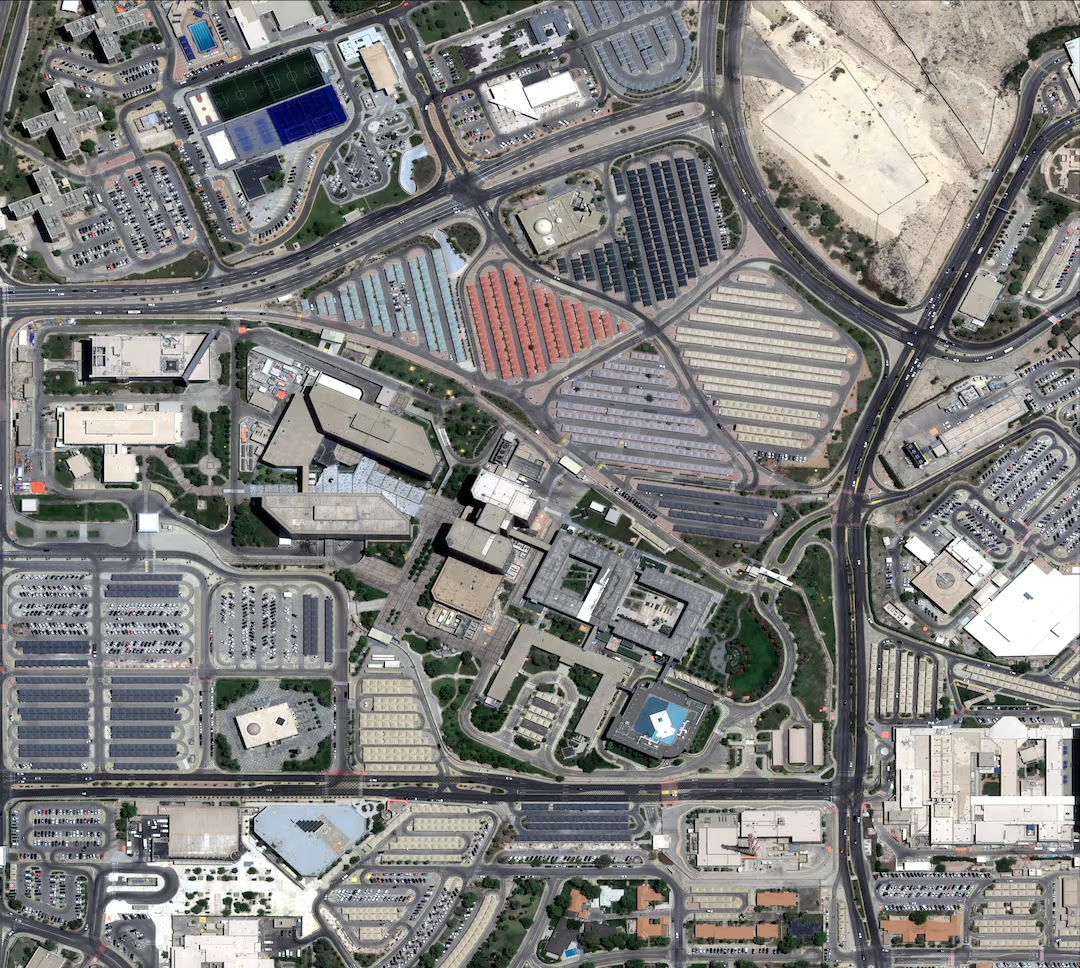
The attack on Tuesday night targeting Saudi Aramco’s facility in Dhahran led to a fire that affected multiple floors, according to sources familiar with the situation. The Saudi energy ministry reported that the fire was limited in scope.
Operations at Aramco continue as normal, with employees working remotely, as per two sources. Aramco did not immediately respond to requests for comments.
SAUDI-LED COALITION CLAIMS INTERCEPTION OF MISSILE
The ongoing conflict poses a challenge to Saudi Crown Prince Mohammed bin Salman’s plans to diversify the economy and reduce dependence on oil.
The Houthis state that their actions are in response to Saudi support for Yemeni government forces in the ongoing war that reignited last month.
On Wednesday, the Saudi-led coalition reported intercepting a ballistic missile launched by the Houthis towards Riyadh, with several loud explosions heard in the capital.
Earlier, Saudi authorities issued a warning about a potential aerial threat in Riyadh, which was later lifted. The source of the loud sounds was not confirmed by officials.
In their statement, the Houthis indicated they had used ballistic and cruise missiles, as well as drones, targeting Aramco facilities in Dhahran, Riyadh airport, and an Aramco refinery in Riyadh.
They issued a broad warning for international shipping companies, civilians, and workers to leave Saudi airports and oil facilities.
The Dhahran complex is a major operations hub for Aramco, which manages an extensive network of oil extraction and processing facilities.
Riyadh's international airport has been attacked four times, including the recent strike, which was the deadliest in the past ten years.
Due to the threats, authorities have closed the airport until October 17, and several airlines have canceled flights to Saudi Arabia.
Worried about increasing Iranian influence and the risk of disorder on its borders, Saudi Arabia intervened in Yemen’s civil war in support of the government in 2015 after the Houthis took control of the capital, Sanaa.
A UN-mediated truce was established in 2022, maintaining a fragile peace until this year.
Saudi Arabia resumed military operations in Yemen to support the recognized government, aiming to counter the Houthis’ advances that occurred last month along the Red Sea coastline towards the crucial Bab el-Mandeb Strait.
On Wednesday, the Red Cross reported that hospitals in Yemen are struggling to manage a sharp increase in casualties due to the intensifying conflict across multiple fronts.
The UN World Food Programme warned that vital assistance has been cut off to the city of Taiz, which has been surrounded by Houthi forces since earlier this month.
“WFP and its partners cannot reach over 600,000 people in Taiz who rely on humanitarian aid, including more than 200,000 women and children,” read a statement from the organization.