
By Yongchang Chin, Sherry Su, Nathan Risser, and Alex Longley
Sep 19, 2026 (Bloomberg) - The rising costs of transporting oil globally are making long-distance crude trades less profitable, potentially disrupting supply at a time when fuel markets are already very strained.
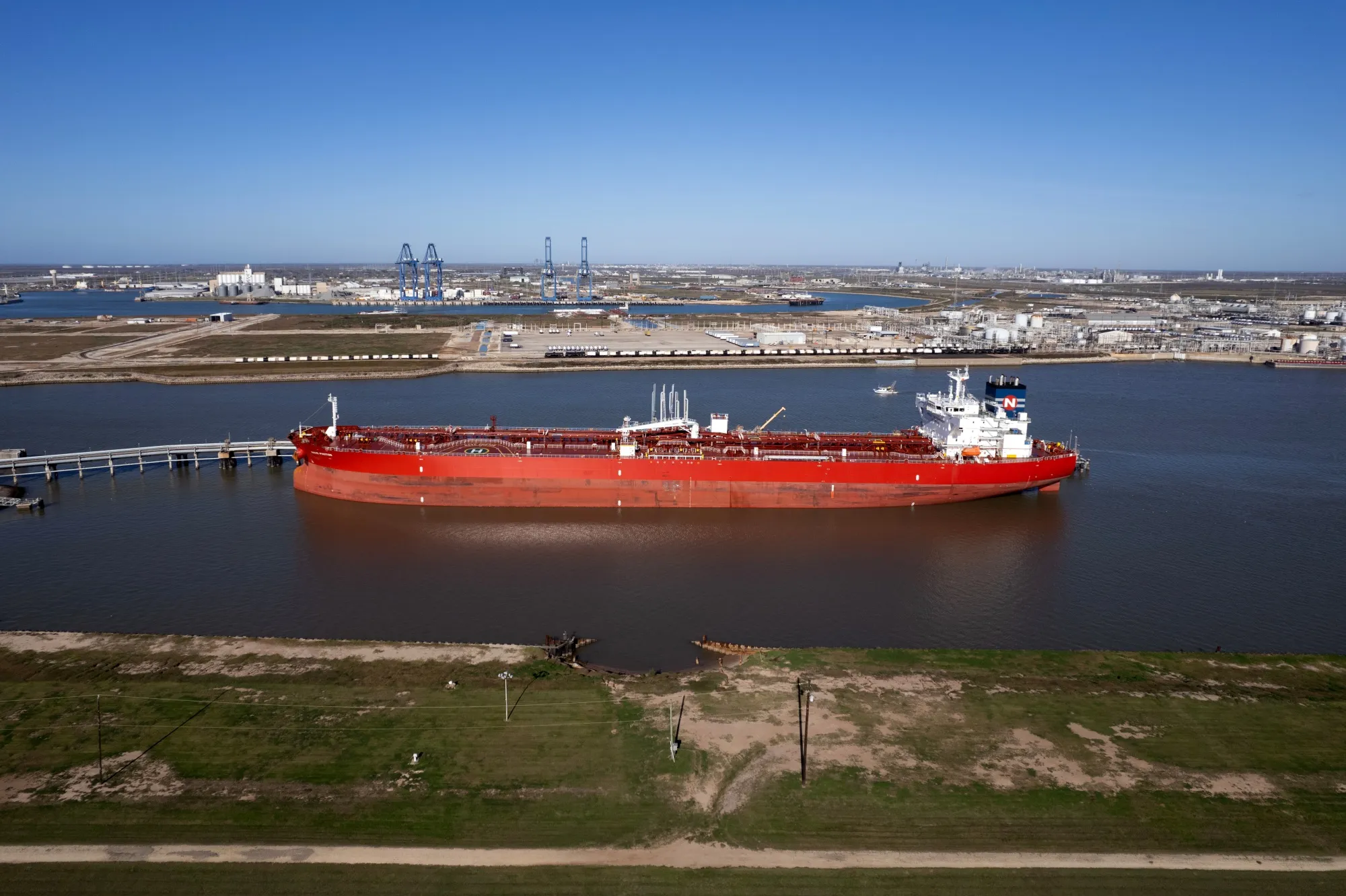
This increase is mainly due to a lack of available supertankers. In many regions, there are hardly any of these large ships, each measuring the length of three football fields, available for hire. This situation is making distant oil less appealing and pushing refiners to purchase supplies closer to home, if they can find them.
Shipping a cargo from Houston to Asia now adds about $26 per barrel, or $52 million per shipment, to the costs for supplying the world's biggest crude-importing region. This is approximately a quarter of the price of West Texas Intermediate futures. Before the conflict, shipping costs typically represented only a small percentage of total costs.
The increase is benefiting a small group of shipowners who control the tanker market, with industry insiders noting that such a surge was hard to foresee. The value of the largest oil tanker equities reached almost $70 billion this week, a record high.
However, oil traders are worried that shipping costs could become exceedingly high. They're concerned that these increased costs might make it unprofitable for some refiners to process crude into fuels, discouraging them from purchasing cargoes that must travel long distances, even in times of high demand for diesel and gasoline.
On one of the key shipping routes, very large crude carriers transporting 2 million barrels from the Persian Gulf to China are earning more than $1.2 million per day. Similar pressures are being felt across the global freight market.
"It has never been this expensive to move oil around," said Saad Rahim, chief economist at trading giant Trafigura Group, during a discussion at the Bloomberg Commodity Investor Forum on Thursday. As shipping costs represent a larger share of the cargo's overall value, “it becomes a much bigger issue now when you think of logistics,” he added.
Some long-haul routes that became essential after conflicts disrupted energy flows are now looking less attractive due to the price surge.
Data from Vortexa indicates that oil shipments from the US to Asia have decreased recently, as freight costs have roughly tripled. A Japanese refiner recently purchased Alaskan crude—a grade usually not suited for local processors—due to its shorter sailing distance, according to sources familiar with the situation.
Conversely, the demand for nearby oil can be seen in Europe’s crude prices.
While Brent futures peaked close to $110 a barrel this week, the European Dated Brent physical crude price climbed over $131 as buyers sought shorter-distance shipments. European processors are also in a hurry to find alternatives to Middle Eastern barrels after Saudi Arabia did not allocate any cargoes to European buyers under their term contracts for next month.
Further afield, sales of Angolan oil, which usually travel thousands of miles to China, are slowing.
“Current freight levels can become self-limiting over time — they eventually close off arbitrage routes and reduce demand for the most expensive long-haul barrels,” noted Sumit Ritolia, senior manager of modeling at analytics firm Kpler.
Experienced shipbrokers stated they have never seen such tight availability of supertankers, with many industry executives saying they've never encountered a market like this. There are very few, if any, vessels available for hire in certain areas, depending on the required timeframe.
This situation is affecting smaller ships as well.
Asian refiners are turning to 700,000-barrel Aframax tankers for some shipments from the US instead of the supertankers usually used for these routes. Shipments loading from Atlantic ports, including Brazil, are now being booked on two 1 million-barrel Suezmax vessels instead of one supertanker with double that capacity, according to traders and shipbrokers.
This has also pushed earnings for smaller vessels higher, with Suezmaxes earning an average of over $300,000 per day, rates typically associated with shipping in conflict zones.
The key factors driving this surge are the impacts of the US-Iran conflict and significant bets placed by a South Korean tycoon that were already elevating shipping rates before the war began.
Vessels transporting oil through the Strait of Hormuz now require more ships for extended durations as they change cargoes near Oman. Some tankers are traveling thousands of miles around Africa to pick up oil in the Mediterranean, while until recently, Asian buyers replaced lost Middle Eastern shipments with longer-haul supplies from the Americas. These factors are stretching the tanker fleet and driving up rates.
The crucial question for oil traders is how long these high freight rates can last. Diesel futures in Europe are nearing $200 a barrel, indicating that the region's processors still need to secure as many cargoes as possible.
“Shipping has never played a significant role in the delivered cost of oil, but it’s now a much more important factor in oil markets,” said Xavier Tang, a senior market analyst at Vortexa. “This is affecting end buyers significantly.”