
By Sabrina Brigance, CMIP
The maritime infrastructure sector in the United States is poised for one of its largest investment cycles in decades. Ports are expanding their terminals, shipyards are updating their dry docks, and waterfront facilities are being redesigned to accommodate alternative fuels, electrification, and offshore energy development. Both public and private funding are being directed towards enhancing capacity, resilience, and supply chain efficiency.
Unlike typical construction projects, maritime infrastructure operates in busy environments. Many facilities continue to function while construction teams work alongside vessel traffic, cargo operations, production schedules, and essential infrastructure systems.
This active setting presents a unique challenge for project owners: they must identify and manage hidden risks that could greatly affect costs, timelines, operations, and long-term insurability. Often, the biggest issues arise from risks that were not fully understood before construction started.
Here are five hidden risks to consider.
Hidden Risk #1: What’s Beneath the Surface?
Some of the most significant losses can start below the waterline, even before any visible construction problems occur.
Subsurface conditions are one of the most underestimated risks in the industry. Activities like dredging, pile driving, berth expansion, and quay wall upgrades often reveal unstable soils, undocumented obstacles, abandoned infrastructure, or contaminated sediments that were overlooked during initial engineering reviews.
Older shipyards, terminals, and industrial waterfronts often bear decades of environmental issues from past petroleum storage, heavy industrial activities, chemical handling, and previous waste disposal methods.
Once construction disturbs these materials, project timelines and liability assumptions can change instantly.
Costs for environmental cleanup can rise quickly, especially when multiple stakeholders across various state and federal levels get involved. Determining responsibility is often unclear, particularly at redeveloped brownfield sites or former military and industrial locations.
For many owners, the key question is: Do you know what’s underneath the soil and below the waterline?
The answer can significantly affect the project's finances.
Hidden Risk #2: Climate Resilience Is Becoming an Insurance Issue
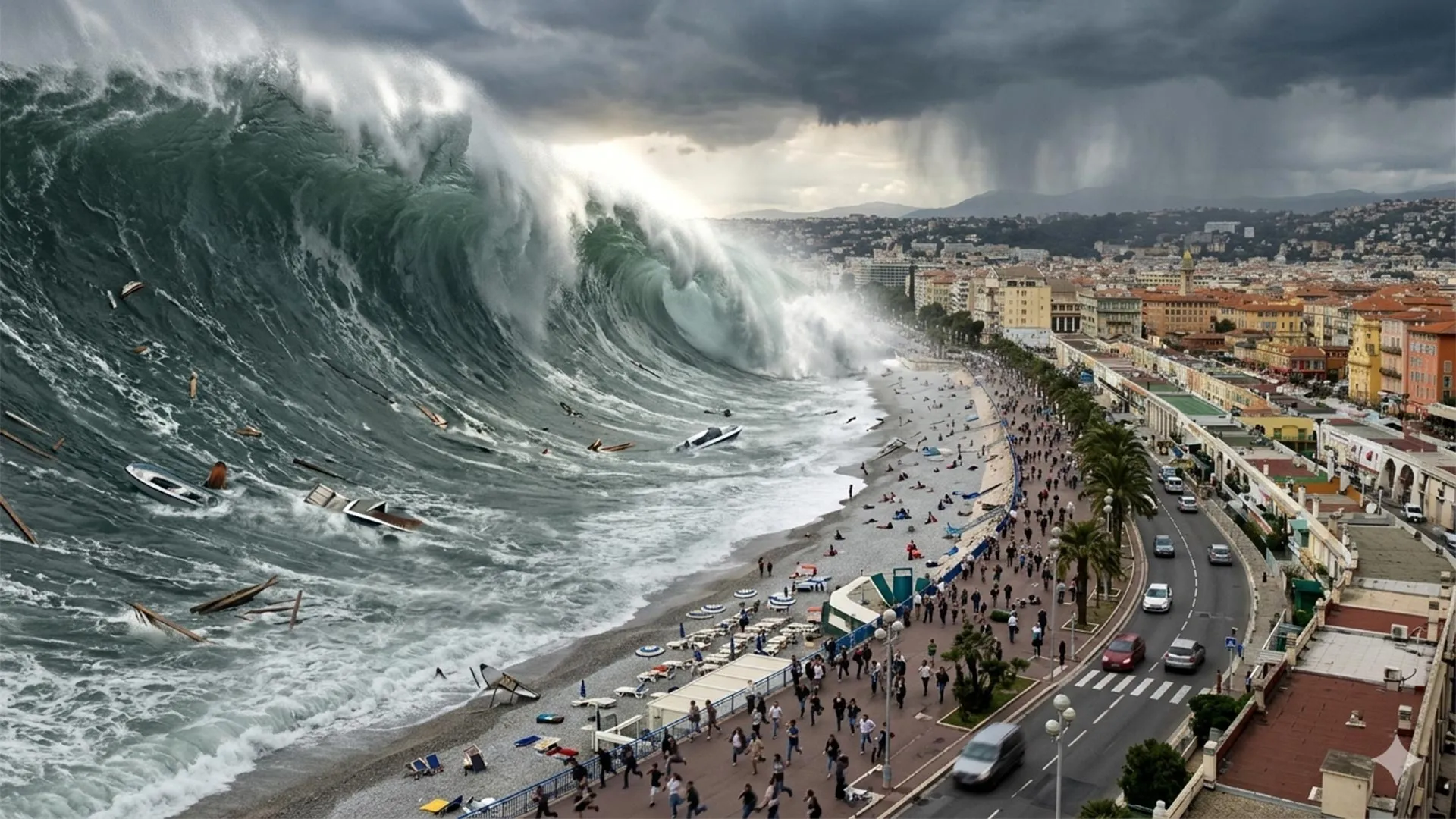
Climate risks are changing how insurers, lenders, and investors evaluate maritime infrastructure.
Waterfront projects are now more closely examined for flood risks, storm surge vulnerability, drainage capacity, corrosion management, and long-term operational stability.
Today, underwriters focus more on:
- Flood modeling
- Secondary catastrophe risks
- Backup utility needs
- Equipment elevation
- Business continuity plans
Resilience has shifted from being just an engineering goal to a crucial factor in long-term insurability and access to funding.
A facility could meet today's engineering standards but may still struggle to secure insurance coverage, favorable deductibles, or financing flexibility if adaptation planning doesn't keep pace with changing environmental conditions.
Hidden Risk #3: Operational Technology Creates New Vulnerabilities
Modern ports, terminals, and shipyards depend heavily on interconnected operational technology systems. Cargo handling equipment, fueling operations, access controls, vessel traffic management systems, utilities, and facility operations are becoming more integrated through advanced technology platforms.
The concern goes beyond just data privacy.
During construction, modernization, and commissioning phases, the introduction of new equipment, software integrations, and third-party access can create vulnerabilities that disrupt cargo movement, affect production schedules, and hamper facility operations. A cyber incident targeting these systems could disable fueling processes, disrupt vessel coordination, halt cargo activity, or severely reduce terminal throughput.
The problem is that these systems are interconnected. As maritime infrastructure becomes more integrated, disruptions can spread far beyond their initial point of failure.
Hidden Risk #4: Delays Often Cost More Than Physical Damage
Marine infrastructure projects rely on a complex web of contractors, utilities, transportation systems, equipment suppliers, regulators, and specialized labor. A delay involving a crane manufacturer, a dredging contractor, a permit revision, a utility connection, or a vital piece of equipment can significantly alter the project's financial outlook.
In many cases, losses from delays can outweigh the costs of physical damage. Issues like revenue loss, financing expenses, concession agreement penalties, cargo redirection, and operational backlogs can quickly accumulate across interconnected transport systems.
Marine infrastructure projects also depend on specialized contractors with limited global capacity, meaning even minor disruptions can result in major financial repercussions.
Hidden Risk #5: The Insurance Program May Not Respond as Expected
Many organizations believe their insurance will automatically adapt to new project conditions. However, coverage gaps often arise when projects become more complex. For example:
- Builders’ risk policies might cover physical construction but may not fully address operational disruptions.
- Contractors’ pollution liability policies could vary depending on whether contamination is newly discovered or was historically present.
The testing and commissioning phases often lead to uncertainty over which policy applies to a loss. Assets may not qualify as construction work but may not yet have moved into operational coverage. By the time these coverage questions arise, the project is usually already behind schedule and over budget, facing pressure from lenders, contractors, and regulators. This is often when the largest financial losses occur.
The challenge isn't necessarily about having insurance. The real issue is ensuring that insurance, contracts, engineering assumptions, and operational realities align before construction starts.
A Better Approach to Risk
The most successful maritime infrastructure projects treat risk management as an integral part of the process. They incorporate engineering, environmental planning, contract reviews, operational continuity, and insurance strategies from the beginning of development.
This kind of coordination is essential.
The language in contracts can influence how losses unfold just as much as the language in policies. Indemnification clauses, additional insured requirements, subcontractor responsibilities, and jurisdictional issues under admiralty law can significantly affect recovery after major losses.
Final Thoughts
The maritime industry has typically measured project success by construction milestones, budget performance, and delivery timelines. While these metrics are still important, the upcoming generation of maritime infrastructure projects will also be evaluated on their ability to stay operational, resilient, financeable, and insurable long after the construction phase.
As investments continue to pour into ports, terminals, shipyards, and coastal energy infrastructure, the next challenge for the industry will not be whether projects can be constructed. It will be whether they can handle the hidden risks that arise once construction is underway.
For more information, visit Hylant.com.