
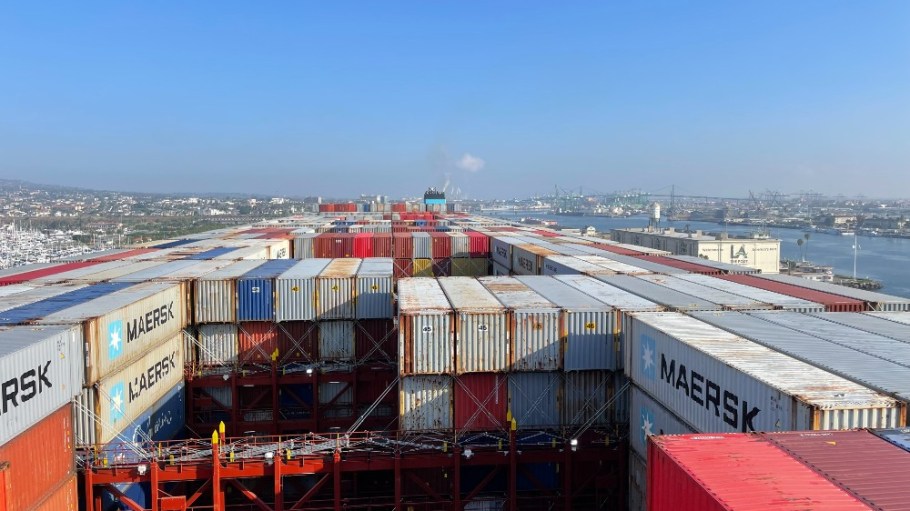
Global ocean shipping is a nonstop operation. Container ships travel around the clock, crossing time zones, while ports are active day and night. Cargo flows through terminals, rail yards, and distribution centers continuously across the globe.
However, many companies involved in international shipping still rely on traditional systems for transportation financial management, including tasks like validating ocean freight invoices, managing port charges, auditing provider bills, and tracking transportation costs, which are often limited to specific regions.
This gap is becoming increasingly expensive for businesses.
As global shipping becomes more complex—thanks to fluctuating fuel costs, congestion fees, detention charges, multi-currency billing, and changing port regulations—organizations are realizing that freight financial management needs to keep up with the rapid pace of global transportation.
This is why follow-the-sun transportation financial management models are gaining importance for companies that depend on ocean shipping to move goods worldwide.
The Time Zone Challenge for Global Shippers
For businesses engaged in international shipping, issues in freight financial management are not just about the volume of invoices. Instead, they often stem from time zones and geographic complexities.
Ocean freight invoices come from transportation providers, terminals, port authorities, and logistics companies across various countries. Questions often arise regarding detention fees, bunker adjustments, port tariffs, or currency conversions. However, when financial oversight is managed from one region, these inquiries can remain unanswered overnight, pending the next business day.
Each delay leads to a series of complications:
- Dispute resolution takes longer
- Freight accruals become less accurate
- Cash flow forecasting is less reliable
- Logistics teams lack timely insights into transportation costs
For organizations handling global supply chains, waiting for another region to start work slows decision-making and limits financial transparency.
Understanding the Complexity of Ocean Freight Financial Oversight
Shipping goods via ocean vessels introduces financial challenges that few other transport methods face simultaneously. Global shippers must navigate:
- Documentation from various providers and agents
- Port-specific tariffs and additional charges
- Different currencies and tax regulations
- Demurrage and detention calculations
- Variable billing formats across regions
- Frequent disruptions from weather, congestion, and geopolitical factors
Often, exceptions occur more frequently than standardized invoices. This means effective freight financial management relies not just on automation but also on timely human oversight with regional expertise.
When financial management is centralized in one location, operations can stall outside core hours, slowing down dispute resolutions and diminishing financial visibility across the supply chain.
Follow-the-Sun: Aligning Financial Oversight with Global Logistics
A follow-the-sun model addresses these challenges by synchronizing freight financial oversight with the nonstop nature of global shipping.
Instead of relying on a single processing center, work transitions among regional teams as time zones progress.
In a true follow-the-sun setup:
- Freight audits and validations continue nonstop
- Exceptions are reviewed closer to their occurrence
- Disputes can be handled near their geographic source
- Visibility into transportation costs is consistent, not delayed
For companies transporting goods across continents, this strategy significantly reduces bottlenecks common in traditional centralized financial systems.
The Importance of an Integrated Transportation Management Ecosystem
Operating across different time zones requires more than just distributed teams. It also necessitates a coordinated transportation financial management ecosystem that keeps operational and financial data aligned.
When systems for transportation execution, freight audits, claims, and analytics function independently, information can become disjointed. Issues identified in one system might not reach the appropriate teams for resolution for hours or even days.
This is where an integrated logistics ecosystem becomes crucial.
At nVision Global, the nVision Ecosystem connects various components of transportation financial management:
- Impact TMS for planning shipments, execution, and global transportation visibility
- Freight Audit & Payment for validating provider invoices and ensuring contract compliance
- Freight Claims Management for recovering costs linked to service issues, loss, or damage
- Transportation Analytics & Business Intelligence for monitoring global shipping expenses and performance
When these elements work within a unified ecosystem, freight financial oversight becomes a seamless process.
Shipment data moves straight from the TMS into the audit process. Invoice exceptions trigger dispute procedures. Claims are directly linked to shipment and invoice records. Analytics provide real-time visibility into transportation performance and cost trends.
As work shifts between regions in a follow-the-sun model, the complete operational and financial context travels with it.
The Role of AI in Transportation Financial Management
Artificial intelligence is increasingly significant in managing transportation finances.
AI excels in:
- Processing large volumes of freight invoices
- Extracting data from complicated shipping documents
- Identifying billing anomalies and patterns
- Prioritizing exceptions for review
However, ocean freight billing often involves complexities that need human judgment, such as region-specific charges, contractual nuances, and local regulations.
The best approaches merge AI-powered automation with globally distributed teams supported by an integrated logistics technology ecosystem.
Building Resilience in Global Transportation Financial Management
Recent disruptions, like port congestion and geopolitical tensions, have shown how quickly global shipping conditions can shift. Organizations that concentrate transportation financial management in one region face heightened risks when disruptions occur.
Follow-the-sun models enhance resilience by spreading oversight across various regions and ensuring ongoing financial governance in freight management.
Supported by an integrated ecosystem of TMS, freight audits, claims management, and analytics, this model offers companies shipping products worldwide quicker insights into transportation costs and stronger control over freight spending.
A Strategic Shift is Happening
Companies relying on ocean freight increasingly acknowledge that transportation financial management needs to keep pace with global logistics. As supply chains become more interconnected and unpredictable, financial oversight must also be adaptable.
Follow-the-sun financial management, backed by integrated logistics technology platforms, is evolving from a simple operational improvement to a strategic necessity for companies aiming for better financial control, quicker dispute resolutions, and continuous awareness of global transportation costs.
About nVision Global
nVision Global offers technology-driven transportation financial management solutions that help organizations gain control, visibility, and insights into global freight spending. Through its integrated ecosystem, which includes Impact TMS, freight audit and payment, claims management, and advanced analytics, as well as its follow-the-sun global operating model, nVision provides ongoing freight financial oversight for organizations navigating complex international supply chains.