
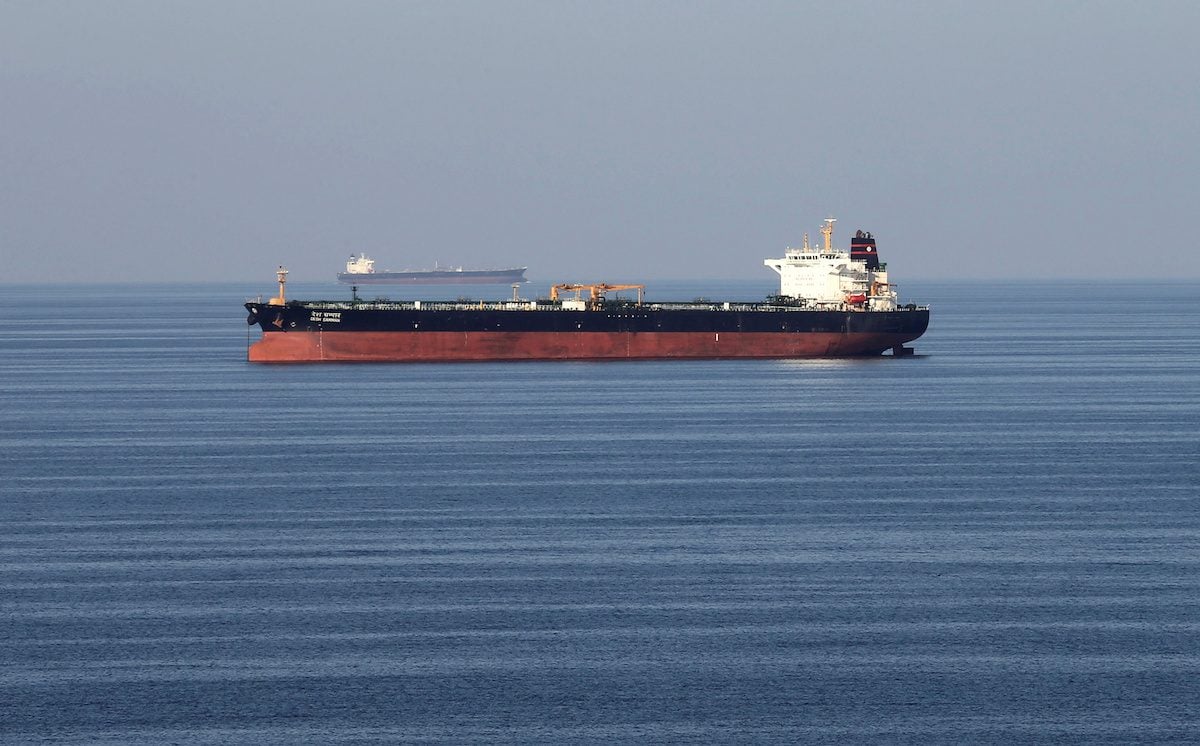
On Friday, the Trump administration introduced a $20 billion maritime reinsurance facility to help restore confidence in shipping through the Persian Gulf. This initiative comes as missile and drone attacks, along with insurance withdrawals, have led to a significant drop in vessel traffic in the Strait of Hormuz.
The U.S. International Development Finance Corporation, in collaboration with the U.S. Department of the Treasury, announced that the facility would provide reinsurance coverage, including war risk, for ships operating in the Gulf region amid escalating tensions with Iran.
Officials mentioned that this facility will cover losses up to about $20 billion on an ongoing basis and will initially focus on hull and machinery as well as cargo coverage.
This move follows an order from Donald Trump earlier this week, directing the government to provide political risk insurance and financial guarantees for maritime trade in the Gulf. Insurers began to retreat from the area due to an increase in missile and drone strikes against commercial vessels.
Ben Black, the CEO of the DFC, stated that the program aims to restore the flow of global energy shipments through one of the world’s most vital maritime chokepoints.
“Working with CENTCOM, DFC coverage will offer a level of security no other policy can provide,” Black said. “We are confident our reinsurance plan will ensure oil, gasoline, LNG, jet fuel, and fertilizer can pass through the Strait of Hormuz and reach global markets.”
Officials noted that coverage will be available only for ships that meet specific eligibility criteria and will be provided through selected American insurance partners. The DFC and Treasury are closely coordinating with U.S. Central Command during the rollout of the program.
The mention of CENTCOM highlights the potential for military support alongside the insurance initiative. Earlier this week, Trump mentioned that the U.S. Navy could escort tankers through the Strait of Hormuz “as soon as possible” if necessary.
This announcement represents the most significant government intervention in maritime insurance markets since the recent conflict involving the U.S., Israel, and Iran began last weekend.
The rapidly worsening security situation has raised the regional maritime threat level to “CRITICAL,” as stated by the Joint Maritime Information Center. Insurers have reassessed their risk exposure in Gulf waters following several attacks on commercial vessels in recent days.
Members of the International Group of P&I Clubs, which together insure about 90% of the world's ocean-going tonnage, issued 72-hour cancellation notices for certain war-risk coverages related to Iranian waters and nearby Gulf areas after reinsurers withdrew their capacity from the market.
While insurers claim that war-risk coverage is still available on a voyage-by-voyage basis under specific agreements, the tightening insurance environment is becoming a major factor influencing shipowners' operational decisions.
Industry estimates suggest that around 1,000 vessels are currently anchored or seeking shelter in the Persian Gulf and surrounding waters as operators evaluate security risks, insurance costs, and contractual obligations.
Traffic through the Strait of Hormuz, a crucial energy shipping corridor, has decreased sharply, with vessel movements falling significantly below historical averages.
By entering the insurance market with a federal reinsurance facility, Washington aims to tackle what industry analysts see as a key obstacle preventing ships from returning to the region.
The success of this program in restoring vessel traffic will depend on how quickly the coverage can be activated and whether shipowners consider the security and insurance conditions acceptable for transit.
Officials state that more details will be provided as the program is implemented. Businesses and financial institutions interested in accessing the reinsurance facility are encouraged to reach out to the DFC as the process moves forward.