
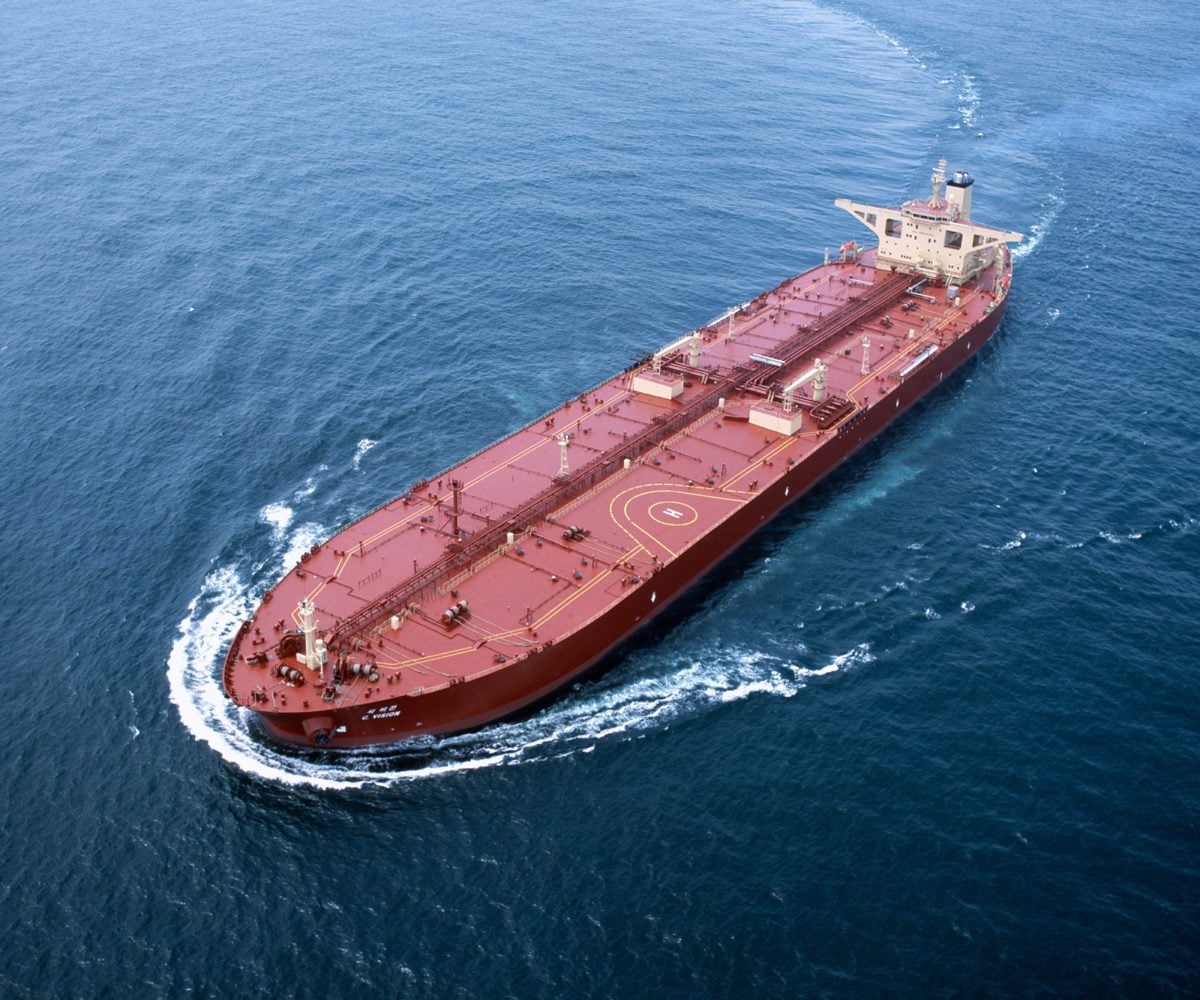
VLCC charter rates have surged into six-figure levels, as DHT Holdings (NYSE:DHT) has secured a one-year charter for the DHT Redwood at a rate of $105,000 per day. This is one of the highest public agreements noted during the recent market surge.
The contract is scheduled to start in March 2026 with a global energy company, highlighting the tightness of the compliant VLCC market.
The Redwood contract follows two other one-year agreements: the DHT Taiga at $94,000 per day and the DHT Opal at $90,000 per day. Together, these three charters showcase a quickly strengthening market driven by strong crude demand, longer shipping routes, and high geopolitical risk premiums.
In its fourth-quarter earnings report, DHT noted the current market conditions as very favorable. The company stated, “The VLCC market is showing significant strength due to robust demand for compliant seaborne transportation of crude oil and higher risk premiums due to geopolitical tensions.” They also mentioned plans to increase their market exposure in the first half of the year to match their positive outlook.
DHT also highlighted a shift in fleet ownership. They pointed out that private “aggregators” might soon control at least 25% of the compliant VLCC fleet, which could affect availability and pricing power.
So far in the first quarter of 2026, DHT has booked 76% of available VLCC spot days at an average rate of $78,900 per day, and 86% of total available days at $62,300 per day when combining both spot and time charter coverage.
This New York-listed company operates 22 VLCCs, managed across locations in Monaco, Norway, Singapore, and India.
Competitor Frontline is also trying to secure forward cover, having fixed seven one-year charters at $76,900 per day, with deliveries scheduled from late January through April. CEO Lars H. Barstad described these rates as “charter-out levels not seen for decades,” although Frontline is still mostly exposed to spot rates for potential upside.
As consolidation limits access to compliant vessels and end users look for reliability amid a changing sanctions and security scenario, charterers seem willing to pay more for established independent operators. Meanwhile, shares of DHT have risen almost 60% this year, signaling investor confidence that the current rate levels might be sustainable.