
(Bloomberg) —
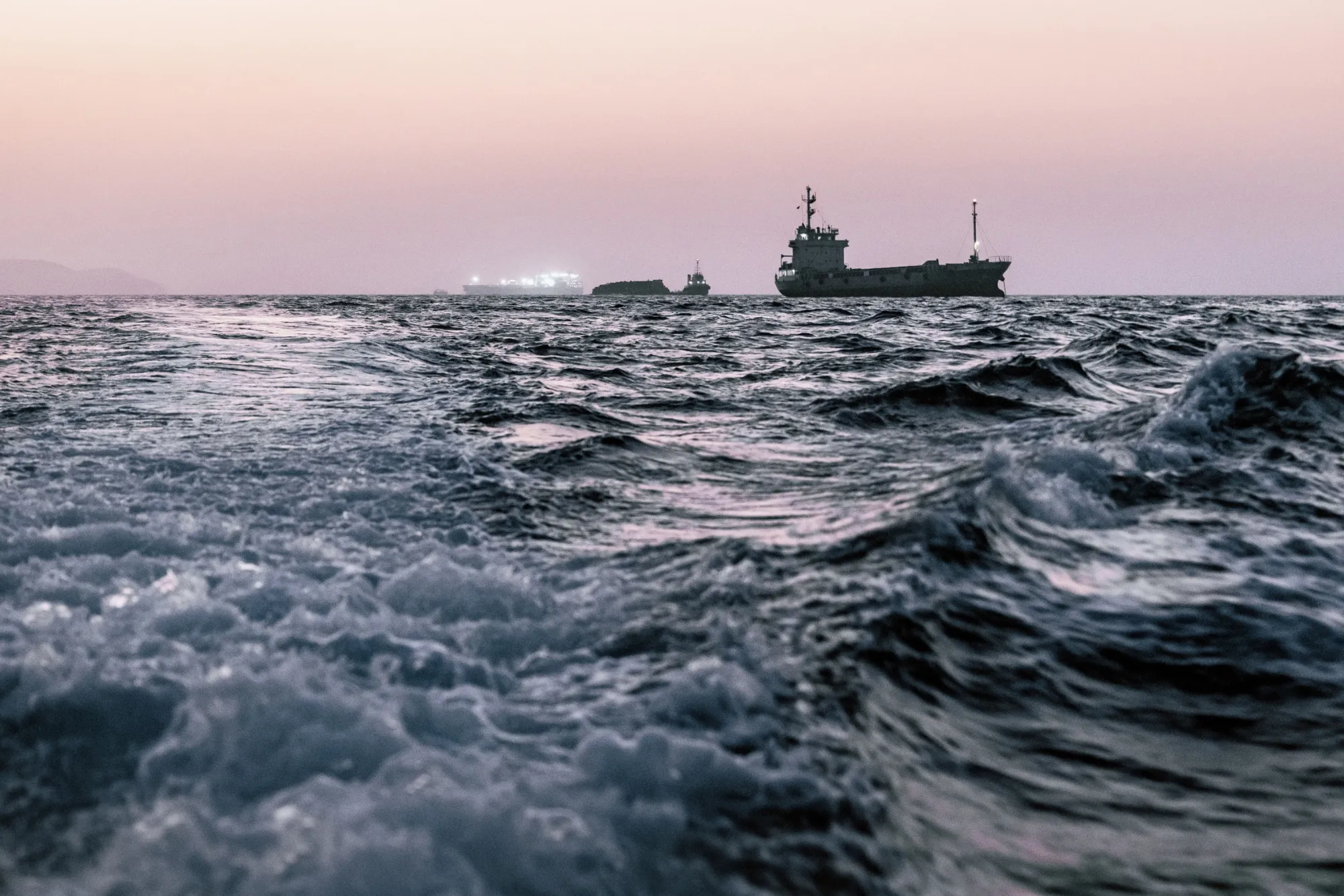
Commercial shipping through the Strait of Hormuz has increased significantly in recent weeks, supported by American military assistance that has raised oil flows to over 10 million barrels per day, according to a US official.
This rise in traffic comes after President Donald Trump signed a temporary peace agreement with Iran, marking a noticeable recovery since the conflict had previously disrupted oil transportation. This situation has surprised Tehran, showing its decreased capacity to control passage through the strait and contributing to recent attacks around the area, as reported by the official who spoke anonymously to share internal insights.
During the conflict, the Islamic Republic tried to assert control by limiting access to the strait, which prompted Trump to push for a ceasefire and negotiations. The political costs of the war, driven by falling crude reserves and rising energy prices, made it difficult for Trump to continue the fight. Despite this, Iran maintains it will enforce some level of control over maritime traffic and has hinted that vessels might eventually need to pay transit fees.
Before the truce was established, the US took steps to diminish Iran’s authority over the strait. The deployment of defensive military support, coordinated by US Central Command, including air and naval forces, has increased confidence among shippers to transport oil through the southern part of the waterway near Oman.
The reported figure of 10 million barrels aligns with shipping data previously published by Bloomberg.
Discussions about navigation in the strait are ongoing this week in Qatar, where US negotiators Steve Witkoff and Jared Kushner are involved in indirect talks regarding Iran’s nuclear capabilities and maritime control over Hormuz.
According to the official, the US is urging Iran to comply with maritime terms set in a memorandum of understanding and to create a long-term agreement that ensures open commercial transit. The memorandum allows toll-free traffic during the 60-day negotiation phase, with further arrangements still to be determined. Trump and US Secretary of State Marco Rubio have stated that any tolls or maritime service fees would not be acceptable in any final agreement.
Iran has not publicly accepted the US demands regarding the strait.
Last week, Iran violated US protocols by carrying out a drone attack on a Singapore-flagged container ship. This incident triggered retaliatory strikes, placing the two nations' truce in jeopardy.
Trump’s choice to cancel further strikes and continue negotiations indicates he is reluctant to endure more economic turmoil linked to the war. He has expressed a desire not to be remembered like Herbert Hoover, whose presidency saw the start of the Great Depression following the 1929 stock market crash.
Analysts have cautioned that these economic and political issues may encourage Iran to prolong negotiations, potentially diminishing Trump's ability to extract important concessions from Tehran. Restoring traffic through Hormuz reflects a return to pre-war conditions, rather than a new breakthrough.
Nevertheless, the administration views last week’s attacks as a sign that Tehran is trying to reclaim control over the strait, having recognized its limited capacity to disrupt shipping traffic.
Iran's inability to monitor traffic far from its coastline has limited its understanding of operations in the southern transit corridor, leading to a relatively late awareness of the extent of the region’s oil flows.
Prior to the conflict, the Strait of Hormuz handled about 20% of the world's oil and liquefied natural gas, with around 20 million barrels flowing through daily. Now, with 10 million barrels getting through each day and 5 million via alternative routes, oil flows are nearing normal levels.
However, persuading Iran to relinquish its desire to control the strait will not be simple. Iranian chief negotiator Mohammed Bagher Ghalibaf stated on Tuesday that sovereignty over the corridor lies with Iran and Oman. While Oman’s top diplomat has claimed that plans for Hormuz do not involve transit fees, the country has indicated to European officials that some charges may be necessary.
Shippers, officials from the oil industry, and other stakeholders have warned that any tolls—whether labeled as fees or not—represent a serious violation of international law that could set a troubling standard, encouraging similar charges in other waterways.
Still, vessels have continued to navigate through the strait despite recent attacks, signaling increased confidence in both the US military stance and Iran’s limited capabilities. This sustained traffic may also stem from the expectation that Iran would avoid actions that could lead to disastrous ecological outcomes, as noted by the US official.