
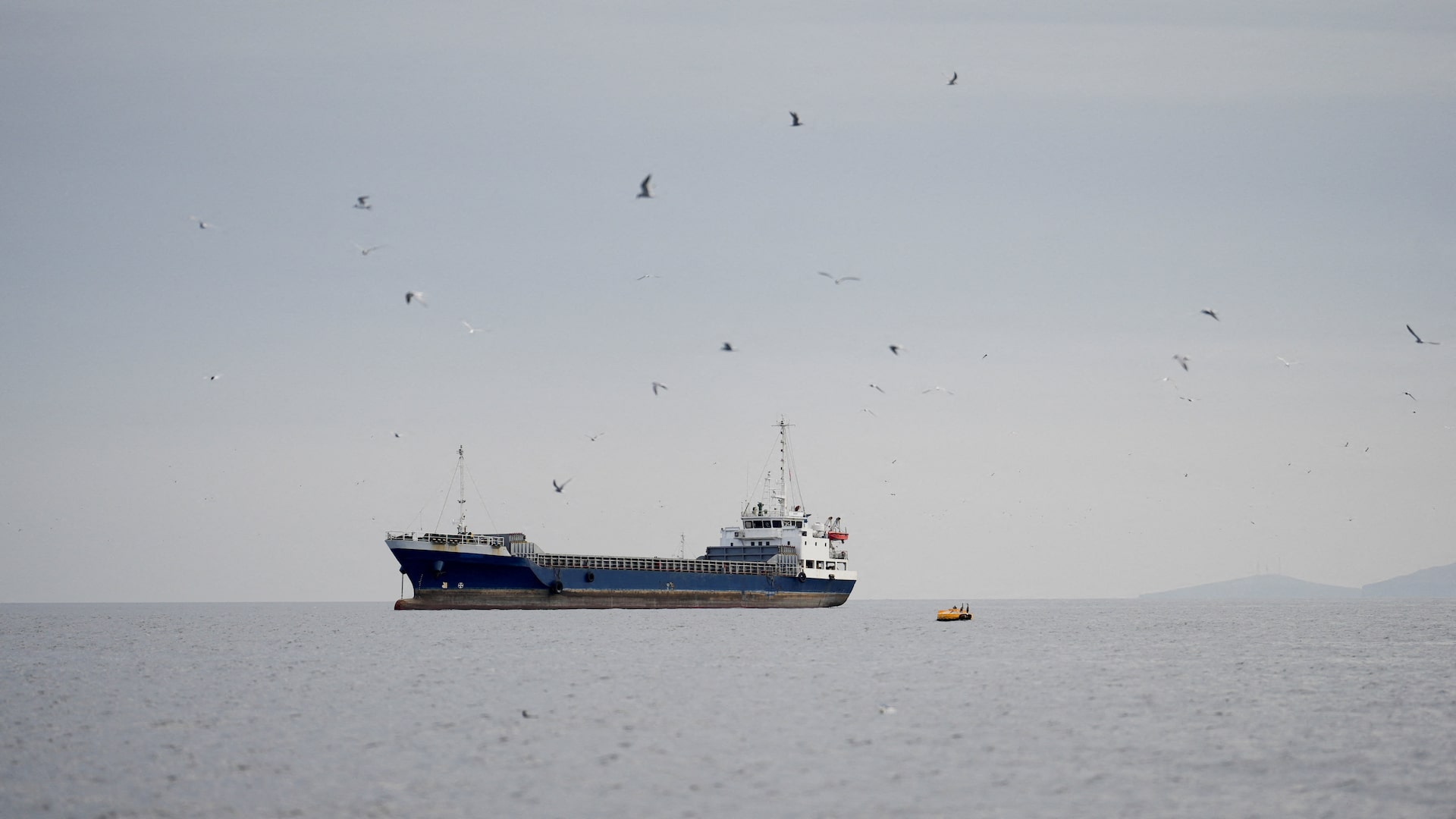
SINGAPORE, April 16 (Reuters) – A second supertanker sanctioned by the U.S. has entered the Gulf through the Strait of Hormuz, according to shipping data, despite a U.S. blockade on vessels visiting Iranian ports.
U.S. President Donald Trump announced the blockade on Sunday after peace talks between the U.S. and Iran in Islamabad failed to produce an agreement.
The U.S. Central Command reported on X that 10 vessels have been turned away and no ships have successfully passed through since the blockade began on Monday.
Nonetheless, Iran's Fars News Agency stated on Wednesday that an Iranian supertanker under U.S. sanctions crossed the strait towards Iran’s Imam Khomeini port, despite the blockade. Fars did not provide the name of the tanker or additional details about its journey.
The empty Very Large Crude Carrier (VLCC) RHN entered the Gulf on Wednesday, according to data from LSEG and Kpler. Its destination is currently unclear; the VLCC can carry up to 2 million barrels of oil.
This tanker’s arrival in the Gulf occurred just one day after the U.S.-sanctioned VLCC Alicia passed through the Strait of Hormuz, with Alicia now heading to Iraq, as per Kpler data.
Both tankers have previously been involved in transporting Iranian oil, according to Kpler records.
Some vessels that have been forced to return include the U.S.-sanctioned tanker Rich Starry, which returned to the Gulf on Wednesday, just a day after leaving.
The U.S. has issued warnings that it may impose additional sanctions on buyers of Iranian oil to strengthen its position ahead of future negotiations, just weeks after it eased enforcement of some energy sanctions against Iran.
Iran may consider allowing ships to pass freely through the Omani side of the Strait of Hormuz without the threat of attack as part of options discussed in negotiations with the U.S., provided a deal is reached to avoid renewed conflict, according to a source familiar with Tehran's position.
The U.S. blockade is likely to decrease Iran's crude exports. However, analysts suggest that Iran may maintain its current production level of 3.5 million barrels per day (bpd) for weeks by storing oil in onshore tanks.
In March, Iran exported 1.84 million bpd of crude and has shipped 1.71 million bpd so far in April, compared to an average of 1.68 million bpd in 2025, as per Kpler data.
Strait of Hormuz