
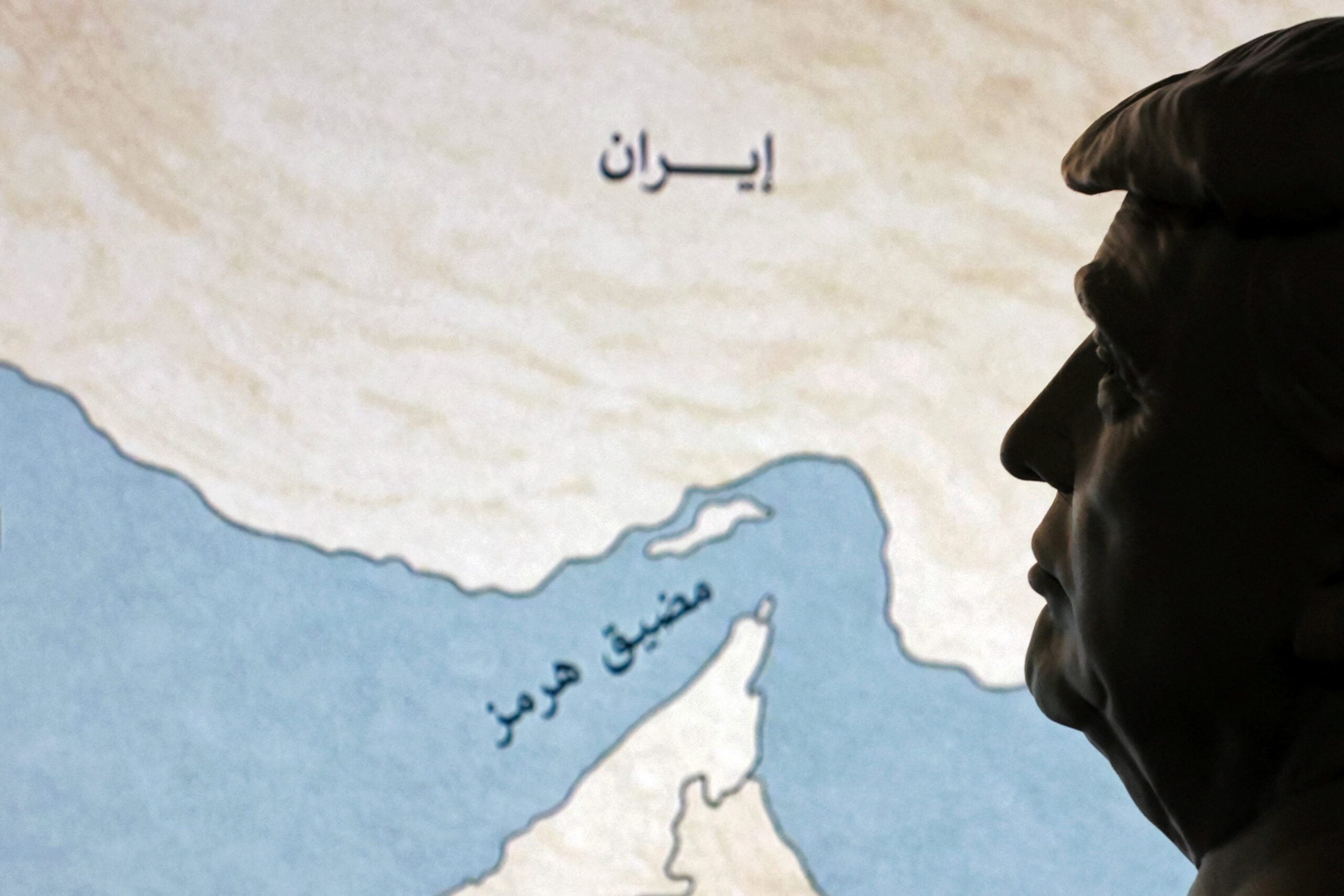
ISLAMABAD, April 7 (Reuters) – Discussions between the United States and Iran may be in jeopardy following Iran's recent attacks on Saudi Arabian industrial sites, according to two Pakistani sources familiar with the situation. The urgency increased as President Donald Trump was about to make a strong ultimatum to Iran.
According to one source, the next few hours are crucial. Trump has given Iran a deadline until 8 p.m. Washington time – which is 3:30 a.m. in Tehran – to lift its blockade on Gulf oil or face the U.S. destroying all bridges and power plants in Iran.
In response, Iran has promised to retaliate against U.S. allies in the Gulf, threatening to make their desert cities unlivable without electricity and water. Iran ramped up its attacks overnight, targeting a Saudi petrochemical facility, showcasing its capability to counter U.S.-Israeli actions.
Over the past five weeks, the conflict has resulted in thousands of deaths across the region, particularly in Iran and Lebanon, and has caused unprecedented disruptions in energy supplies due to the closure of the Strait of Hormuz, a vital route for one-fifth of the world's oil and gas.
Pakistan has been acting as a mediator for both sides, but there has been little progress toward a compromise.
The assault on the Jubail petrochemical complex increases the likelihood of Saudi Arabia retaliating, a move that could halt the ongoing talks. Such retaliation would also risk involving Pakistan in the conflict, given its defense agreement with Riyadh, which obligates both nations to support each other in times of war.
During a recent call with Saudi Crown Prince Mohammed bin Salman, Pakistan's Prime Minister Shehbaz Sharif condemned the attacks on Saudi facilities and expressed that Pakistan would stand firmly with its Saudi allies.
MESSAGE EXCHANGE
"We are in contact with the Iranians. Recently, they have shown some flexibility in joining the talks, but they also maintain strict demands as a condition for any negotiations," a Pakistani security source stated.
He mentioned that Pakistan is encouraging Tehran to engage in discussions without any preconditions.
Iran's foreign ministry spokesperson confirmed on Monday that messages are still being communicated between Iran and the U.S. through intermediaries.
A senior Iranian official indicated that Tehran has turned down a proposal for a temporary ceasefire, stating that talks would only proceed if the U.S. and Israel halt their strikes and provide compensation for damages.
Pakistan's foreign office described the attacks on Saudi Arabia as a dangerous escalation.
"Such unwarranted aggressions can have serious consequences, disrupting ongoing peace efforts and the favorable environment," added a statement from the Pakistani army following a meeting with top military commanders.
Pakistan aims to prevent being drawn into the war, as it could lead to chaos along its western border with Iran and stir unrest within its large Shiite population, which is the second largest in the world after Iran.
Experts suggest that while the defense pact may not immediately trigger military action, it could come into play if the conflict worsens.
Iran's actions at this critical moment, risking embarrassment for Pakistan during ceasefire negotiations, highlight its commitment to retaliating against perceived U.S. and Israeli aggression, according to Adam Weinstein, an expert on Pakistan, Afghanistan, and U.S. politics at the Quincy Institute.