
On Tuesday, the Trump administration ramped up its economic pressure on Iran by imposing new, extensive sanctions on a significant shipping and oil trading network. This action came just hours after U.S. military forces reinstated their maritime blockade of Iranian ports.
The U.S. Department of the Treasury's Office of Foreign Assets Control (OFAC) announced these sanctions, which target over 50 individuals, companies, and vessels associated with Iranian businessman Mohammad Hossein Shamkhani. OFAC described the network as one of the largest contributors to Iran's efforts to bypass sanctions, export oil, and manage global shipping operations.
The new sanctions coincided with a statement from U.S. Central Command (CENTCOM), confirming that American forces resumed enforcing the naval blockade against ships traveling to and from Iranian ports at 4 p.m. ET.
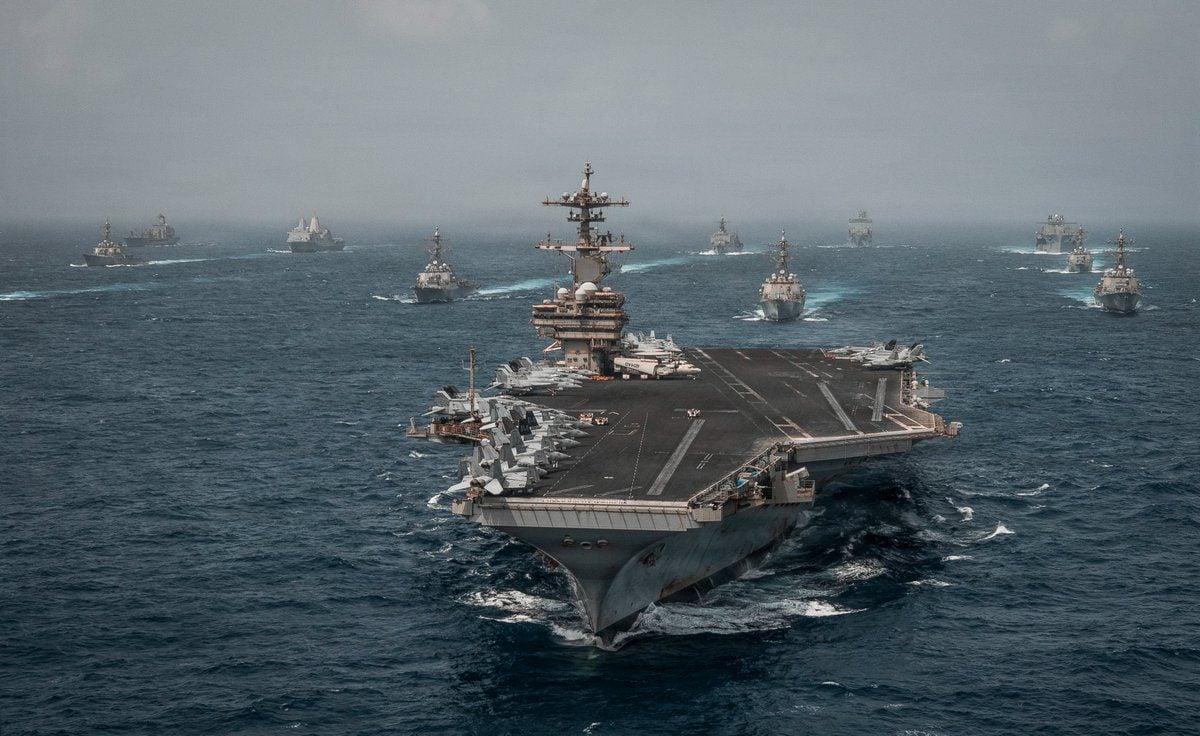
CENTCOM stated, “Right now, there are over 20 U.S. Navy warships and hundreds of military aircraft operating in the Middle East. American forces remain vigilant, lethal, and ready.”
These sanctions mark one of the most significant actions against the Shamkhani network, which U.S. officials say is a crucial part of Iran's oil export operations, as well as its involvement in container shipping and commodities trading.
Treasury Secretary Scott Bessent noted, “The Iranian regime survives on deception, and the Shamkhani network is one of its most profitable engines. The Treasury is dismantling the financial framework that allows the regime to pose threats to U.S. national security and global shipping.”
According to the Treasury, this latest round of sanctions brings the total number of individuals, entities, and vessels associated with the Shamkhani network to over 200.
Those designated include financiers, shipping executives, and vessel managers from the United Arab Emirates, Singapore, India, Hong Kong, the Marshall Islands, and St. Kitts and Nevis. The Treasury also sanctioned several shipping management companies and vessel-owning entities that assisted in moving Iranian oil, Russian petroleum products, and other cargo while disguising the network's role.
The sanctions particularly increase pressure on the network’s container shipping operations. The Treasury has designated Sea Lead Shipping PTE. Ltd., based in Singapore, along with several subsidiaries and affiliated logistics providers. These entities are accused of facilitating both legitimate and illegal cargo movements that benefited the Shamkhani organization, including shipments tied to the Houthis in Yemen. Multiple container ships and tankers have also been named as blocked assets under the sanctions.
These new sanctions build on the administration's quick return to its "maximum pressure" strategy. Although General License X had temporarily allowed Iranian oil exports and authorized various maritime services, that policy was effectively abandoned after new attacks on commercial shipping earlier this month.
Under U.S. sanctions, all properties and interests of the designated individuals within U.S. jurisdiction are frozen, and American persons are generally prohibited from engaging in transactions with them. Foreign companies that continue to do business with sanctioned entities risk facing secondary sanctions.
These sanctions align with the resumption of the U.S. maritime blockade that followed the breakdown of a ceasefire agreement between Washington and Tehran in June. The blockade prohibits commercial shipping to and from Iranian ports but allows neutral passage through the Strait of Hormuz, subject to inspections by U.S. forces.
The blockade was initially lifted on June 18 after the Islamabad Memorandum temporarily paused hostilities and eased restrictions on Iranian exports. However, the agreement fell apart after renewed attacks on commercial ships in the Strait of Hormuz, leading the U.S. to restart military operations and reapply economic pressure on Tehran.
The combined military and financial measures highlight the administration's return to its pre-ceasefire strategy aimed at limiting Iran's maritime trade while ensuring the freedom of navigation for international shipping in the Strait of Hormuz.