
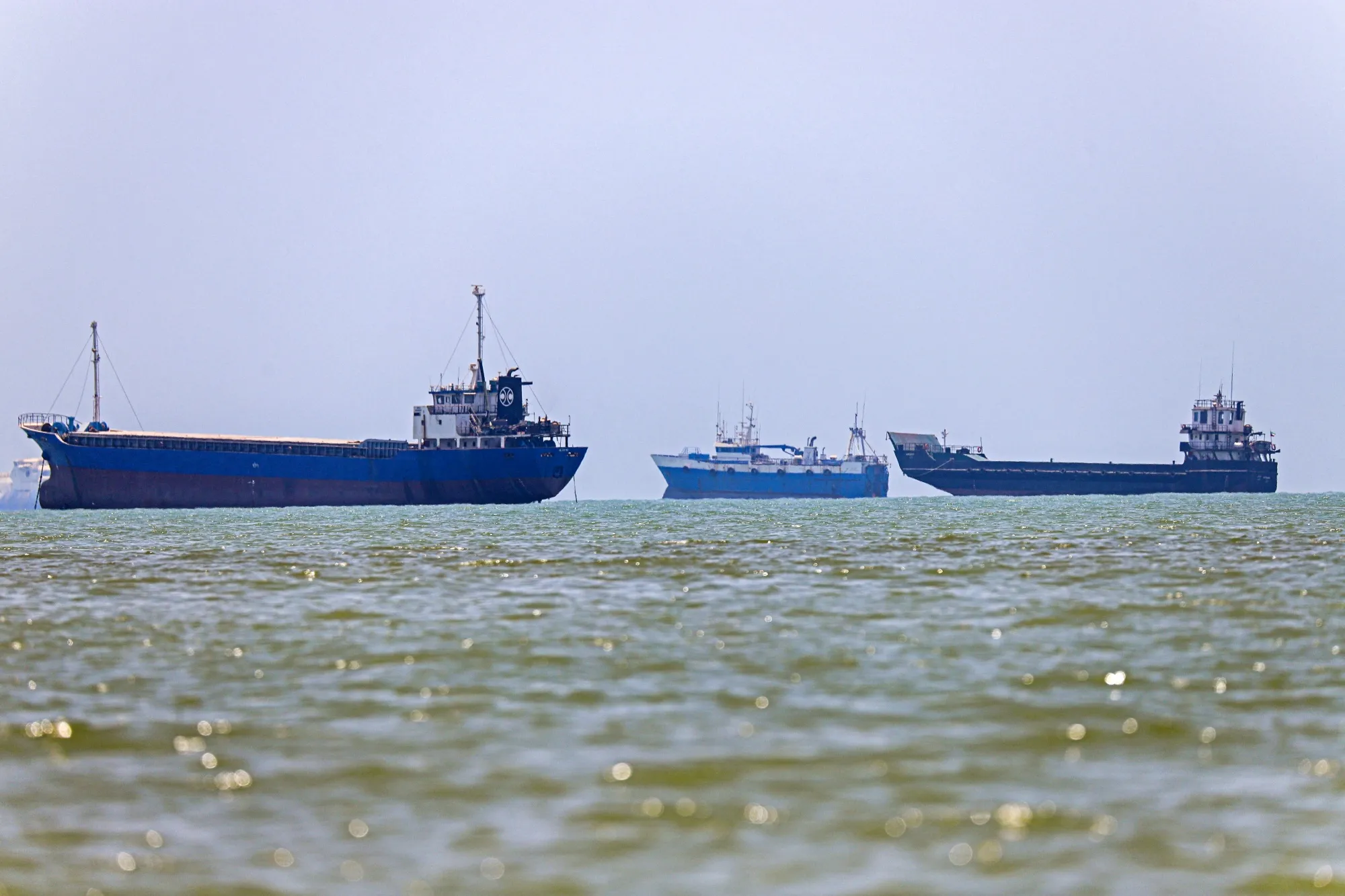
A new interim peace deal between the US and Iran is now in effect, allowing shipping to resume in the Strait of Hormuz. This follows the US lifting its blockade and starting serious negotiations regarding Tehran’s nuclear program.
On Thursday, US Vice President JD Vance announced at the White House that a 60-day period had begun to resolve the details of a memorandum of understanding signed late Wednesday.
Vance addressed concerns that Iran might charge tolls for traffic through the Strait of Hormuz, a vital shipping route believed to be international waters, stating, “We believe international waterways should be free of tolls.” He added that regional countries would work together to ensure security in the strait in the future.
He emphasized that a final deal could not be reached if the strait remains closed.
On the oil market, prices experienced some fluctuations on Thursday, with Brent stabilizing around $79 per barrel by 2:38 p.m. in New York, down from nearly $95 after Trump mentioned a deal was imminent.
Despite the recent drops, oil prices are still about 30% higher this year. Experts believe it may take months for the oil and liquefied natural gas flow through the Strait of Hormuz to return to normal levels.
Earlier, Trump shared on social media that “oil is flowing,” shortly after signing an agreement to extend a ceasefire and start negotiations aimed at ending the conflict that began in late February alongside Israel. The closure of the strait had led to rising energy prices, threats to the global economy, and unrest in the Middle East.
The US Central Command confirmed on Thursday that it has lifted its blockade on traffic to and from Iranian ports.
According to their social media post, “American forces are not impeding the transit of vessels to or from Iranian ports on the Arabian Gulf and Gulf of Oman.” It further stated that all military enforcement efforts have ceased while US naval ships will remain nearby to ensure compliance with the agreement.
On Thursday, ships carrying stranded oil began exiting the Strait of Hormuz, and Kuwait announced plans to ramp up oil production, signaling increased activity in the region. Almost 10 million barrels of oil are either on the move or waiting outside the strait, including Saudi-owned vessels that have not sailed since the conflict began over three months ago.
Iran reported that commercial shipping traffic at its southern ports had returned to normal as of Monday, according to a semi-official news outlet.
Many in the shipping and oil sectors are still seeking clarification on whether the strait is clear of mines and if they need any permissions from Iran before passing through.
Critics of the deal, including some Republicans, argue it provides too many concessions to Iran regarding sanctions relief and potentially unlocking billions in frozen funds. Some have claimed it is similar to the 2015 nuclear deal that Trump previously condemned as the “worst deal ever.”
Mississippi Senator Roger Wicker, chairman of the Senate Armed Services Committee, stated that the proposed $300 billion fund for Iran's economic development would dwarf the financial arrangements made in the Obama administration's deal.
The agreement has also faced backlash in Israel, with some officials, including members of Prime Minister Benjamin Netanyahu’s government, arguing that it grants excessive financial benefits to Iran without addressing its missile program.
When asked about Israeli concerns, Vance urged officials to acknowledge that the US remains Israel’s strongest ally. “If I were in the Israeli government, I wouldn’t be criticizing my only powerful friend,” he noted. Vance suggested that Israel's real challenges extend beyond President Trump.
Trump himself has expressed frustration with Netanyahu recently, reportedly losing patience with him during calls, especially regarding Israeli airstrikes that could jeopardize his dealings with Iran.
When approached by Israel’s Channel 14 about defending Israel if it chose to attack Iran unilaterally, Trump replied, “If it’s not a significant attack — sure.”
As per the memorandum published by Iranian President Masoud Pezeshkian, Iran will facilitate the movement of commercial vessels through the strait "without charge for 60 days," expecting normal traffic to be restored “within 30 days.”
Iran is also set to engage with Oman to discuss future management and services at the Strait of Hormuz, following international law and respecting the rights of coastal nations.
It remains uncertain whether Vance will meet with Iranian Parliament Speaker Mohammad Bagher Ghalibaf in Switzerland as initially planned for further negotiations to end the war. He stated that the US has achieved its main goals for the conflict and suggested a deal could be beneficial as outlined.
Vance concluded, “Iran is weakened, their nuclear program dismantled, and their economy is struggling. If they change their behavior, great things could happen for Iran and the world; if not, it won’t affect us – we win either way.”