
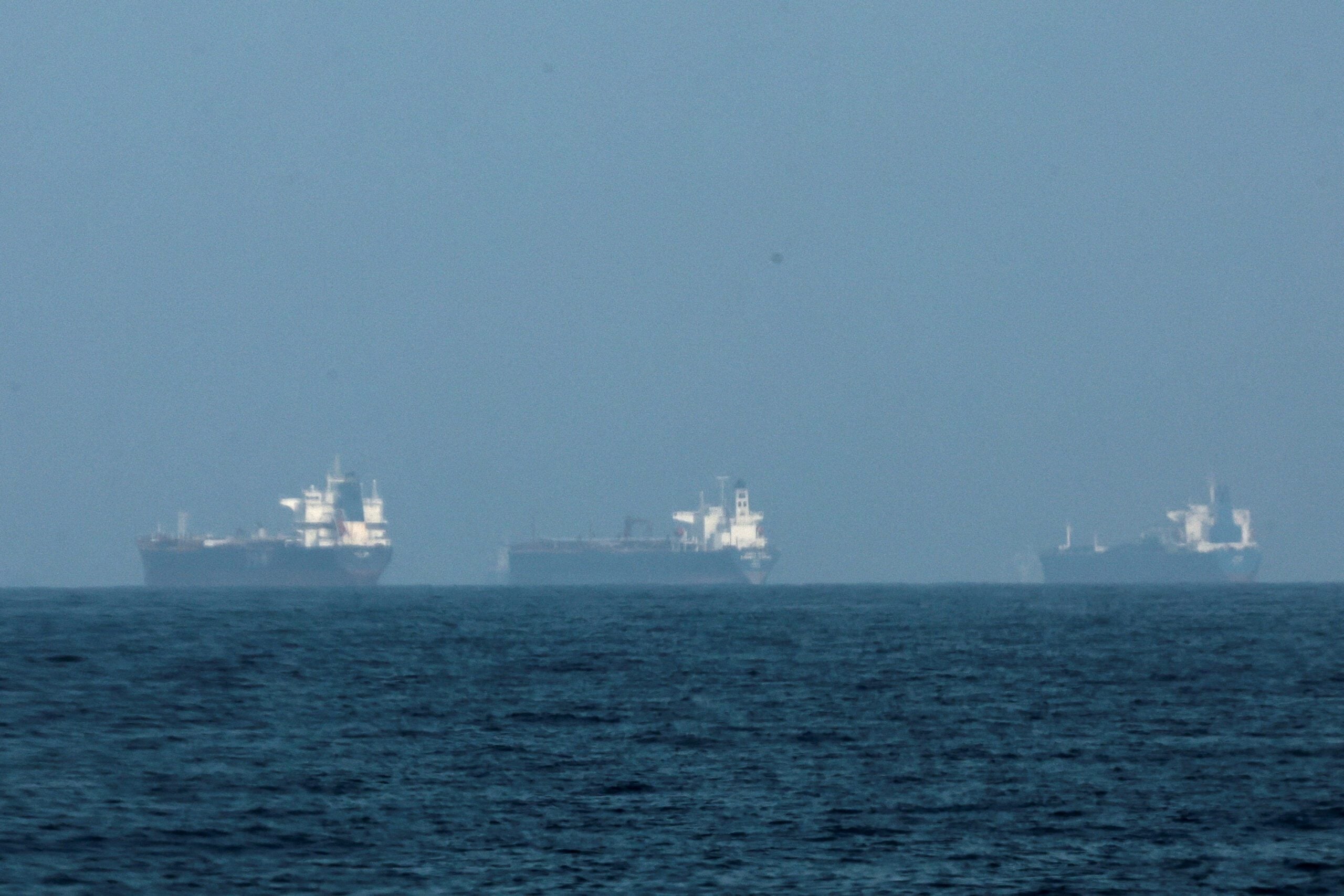
The International Maritime Organization (IMO) is developing a plan to evacuate hundreds of ships that have been stranded in the Persian Gulf since US and Israeli attacks on Iran began over seven weeks ago, as stated by Secretary General Arsenio Dominguez.
Dominguez mentioned during Singapore Maritime Week that the evacuation plan can only be activated when there are clear signs of easing tensions. Additionally, the UN agency must confirm whether any mines have been placed in the strait before allowing ships to pass through.
“Before we can do anything, we need to ensure that the conflict has ended, there are no threats of attacks on vessels, and that the region is free from any hazards, including mines,” Dominguez said.
Currently, around 800 ships are still stuck in the Persian Gulf as traffic through the Strait of Hormuz has significantly decreased due to the ongoing conflict. Tehran's threats and attacks on vessels have made many shipowners too apprehensive to attempt transit. However, Iran has allowed some vessels following approved routes to leave, sometimes requiring payment.
The situation has become even more dangerous due to the US blockade of the strait that started last week, which aims to cut off Iran's war funding. A two-week ceasefire in the conflict is about to end later this week.
The evacuation plan being considered includes a departure order for vessels based on how long the crew has been stuck, among other factors, according to Dominguez. Any transits would follow an established route known as the Traffic Separation Scheme, proposed by Iran and Oman and adopted by the IMO in 1968.
“This is about the seafarers. This is about the people,” Dominguez emphasized. “If we start focusing on cargo values and commodities, it won't work. The council's decision was clear: it’s a humanitarian corridor to evacuate seafarers from the region.”