
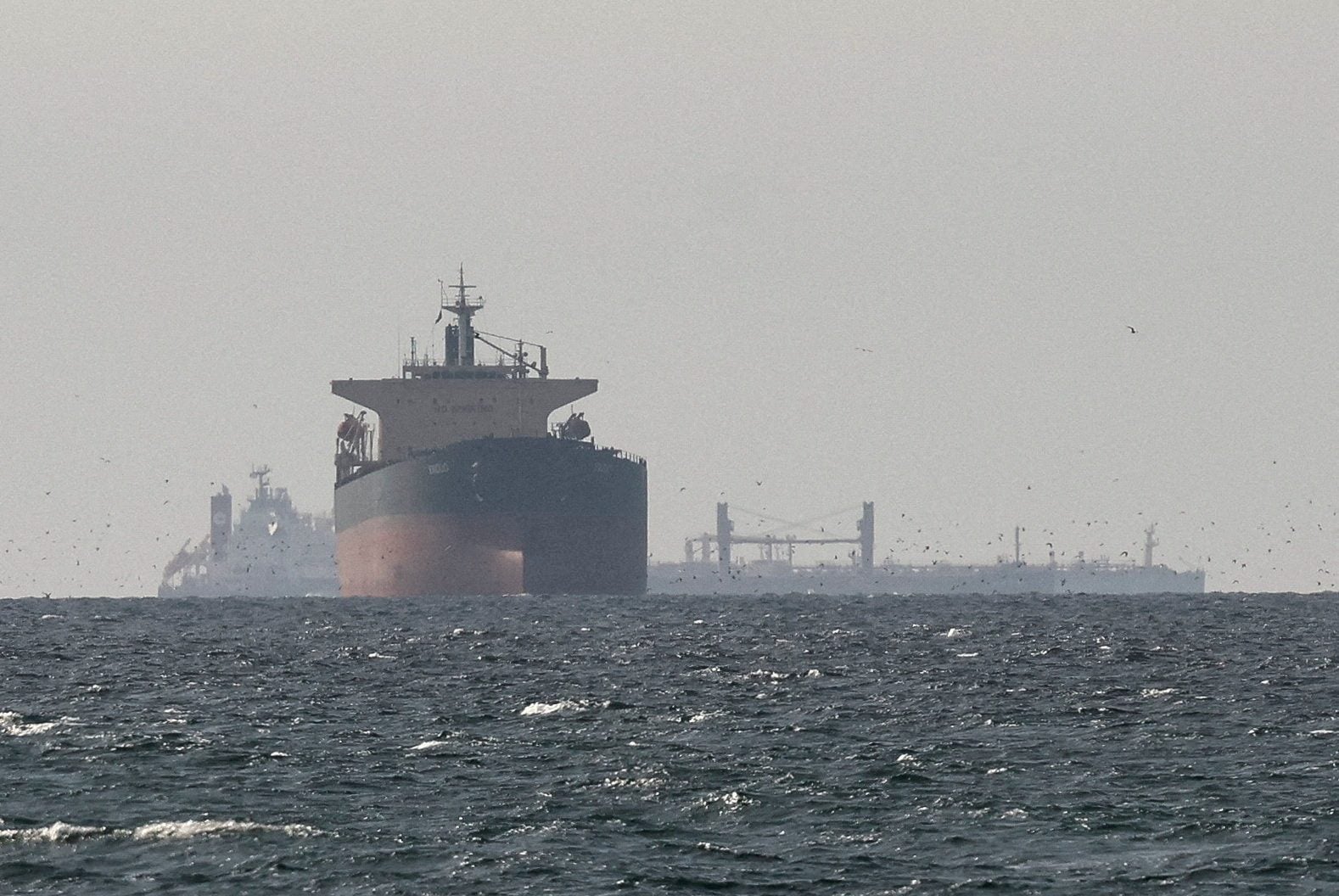
The UN International Maritime Organization (IMO) is working to create a safe-passage plan for commercial shipping in the Strait of Hormuz. This move comes as thousands of vessels and their crews are effectively stuck in the region due to increasing attacks.
The idea for this plan was introduced during an urgent session of the IMO Council held on March 18-19 in London. Member states supported the creation of a “safe maritime corridor” to help merchant ships leave high-risk areas.
Led by Bahrain, the proposal aims to provide boats currently trapped in the Gulf with a coordinated way to exit. This plan is voluntary and non-military, focusing on minimizing the risk of further attacks. The main goal is to protect seafarers and restore some level of commercial activity in this crucial energy passage.
IMO Secretary-General Arsenio Dominguez has been assigned to collaborate with governments and industry players to advance this framework, highlighting the urgency of the situation.
According to the IMO, around 20,000 seafarers aboard about 3,200 vessels remain stranded in the Gulf, facing growing security threats, operational delays, and increasing fatigue as the conflict continues.
This coordinated corridor initiative is gaining momentum amidst rising political pressure. In a joint statement issued on March 19, leaders from the UK, France, Germany, Italy, the Netherlands, and Japan strongly condemned the attacks on commercial vessels and energy facilities, accusing Iran of effectively closing the Strait of Hormuz.
The leaders urged Iran to stop laying mines, conducting drone and missile attacks, and taking actions that hinder commercial shipping, while reaffirming the importance of freedom of navigation as a fundamental principle of international law.
However, although these countries expressed willingness to help ensure safe passage, they did not endorse sending naval escorts or any specific security measures, which leaves uncertainty about how safe transit would be achieved.
They also highlighted broader stabilization efforts, like the decision by the International Energy Agency to release strategic oil reserves and plans to increase output in cooperation with producing nations.
The lack of a clear military solution complicates matters further. Several key U.S. allies—Germany, Spain, and Italy—have refused to send naval forces to escort commercial ships through the Strait, even after calls from President Trump. German officials cited the absence of a mandate from the UN, EU, or NATO, and noted that they were not consulted before the crisis escalated.
This situation underscores a significant challenge: a large naval escort operation, often seen as the most straightforward way to reopen Hormuz, is not gaining widespread international backing.
Consequently, the IMO’s plan focuses on creating a structured, internationally coordinated exit route for vessels trapped in the conflict zone, without direct military involvement.
Traffic through the Strait has already decreased sharply. War-risk insurance limitations, along with ongoing attacks using missiles, drones, mines, and projectiles, have made it increasingly difficult for ships to justify crossing.
The IMO aims to reduce risks for commercial shipping without further militarizing the waterway, relying instead on coordination and conflict de-escalation among stakeholders.
However, the political landscape remains complicated. Some member states voiced concerns during the Council meeting, illustrating the challenges of implementing any kind of corridor in an active conflict area.
The plan has been compared to the Black Sea Grain Initiative that established a secure shipping route from Ukraine during the war. That initiative was considered successful in addressing a global food crisis but relied heavily on guarantees from the UN and Turkey. In this case, it seems the IMO is taking a more proactive role in shaping and coordinating the framework.
The key question is whether this approach will work in a live combat setting.
Regardless, both the IMO and major global economies are sending a clear message: restoring safe passage through Hormuz is now a top priority, but there remains no clear consensus on how to achieve that goal.
For now, the focus shifts to the execution of this plan—whether it can transition from concept to reality, providing ships and crews with a safe way out.