
UN Aims to Create New Shipping Routes in Response to Hormuz Crisis
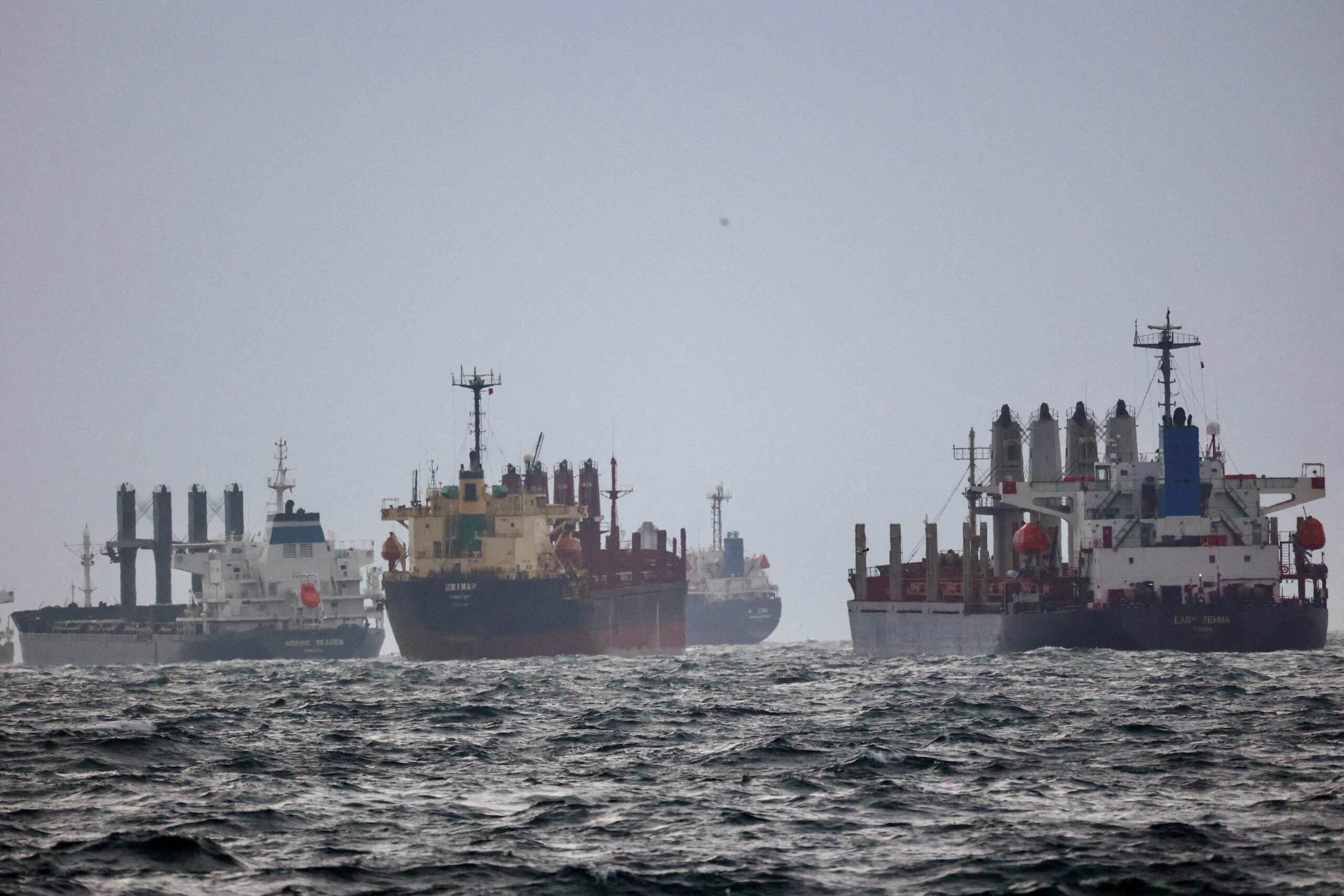
The United Nations is increasing its efforts to manage the ongoing crisis in the Strait of Hormuz by proposing a new shipping plan focused on humanitarian needs. Currently, thousands of vessels are stranded in the Gulf.
In a statement released on Friday, UN Secretary-General António Guterres warned that the ongoing disruption of maritime trade in Hormuz could significantly impact global food supply chains, especially for fertilizers, unless quick measures are taken to address the issue.
This new initiative follows a similar plan from the International Maritime Organization (IMO), which recently suggested creating a “safe maritime corridor” to help ships navigate through risky waters without needing naval escorts. This plan comes at a time when many ships and their crews are stuck due to ongoing attacks, insurance issues, and operational difficulties.
From Evacuation Corridor to Sustainable Trade Mechanism
While the IMO's corridor is primarily intended as a quick evacuation route for trapped sailors, the UN’s newly proposed “Hormuz mechanism” aims to maintain critical, albeit limited, trade through the strait even amid ongoing conflicts.
UN officials indicated that this framework will rely on previous conflict-era shipping systems, such as the UN Verification, Inspection and Monitoring Mechanism for Yemen and the Black Sea Grain Initiative, both designed to ensure the flow of essential goods in disputed waters.
A specialized task force, led by Jorge Moreira da Silva from the United Nations Office for Project Services and including members from the United Nations Conference on Trade and Development and the International Chamber of Commerce, is working on technical solutions to help move fertilizers and other necessary materials.
This initiative arises from growing concerns that prolonged disruptions in Hormuz could lead to agricultural shortages, especially in countries reliant on imports that are already facing higher costs and supply issues.
Shipping Stalemate Leading to New Strategies
The IMO's evacuation corridor and the UN's trade mechanism highlight the challenges of traditional methods aimed at reopening Hormuz.
Operations involving naval escorts, which were once considered a straightforward way to restore confidence, have struggled to secure broad international support. Several key U.S. allies have refused to send warships, citing legal concerns and the risk of escalating tensions, leaving policymakers seeking alternatives that minimize risks without escalating military presence in the region.
In contrast to broader initiatives aimed at completely reopening the strait, the UN’s approach is clearly centered on humanitarian concerns, focusing initially on fertilizers, which are crucial for global food production. The UN stated, “The immediate goal is mitigation,” emphasizing that this mechanism is intended not as a means for commercial reopening but as a targeted effort to prevent further crises.
If successful, this initiative could also help build trust among member states, paving the way for broader diplomatic advancements. To support this, the Secretary-General’s Personal Envoy, Jean Arnault, has been appointed to lead political discussions alongside the task force's technical work.
However, it remains uncertain whether these efforts can be safely implemented in an active conflict area, and whether Iran will accept such frameworks. With thousands of ships still waiting and global supply chains under pressure, the demand to move essential goods is becoming increasingly urgent.