By Devon Pendleton and Fabiano Maisonnave
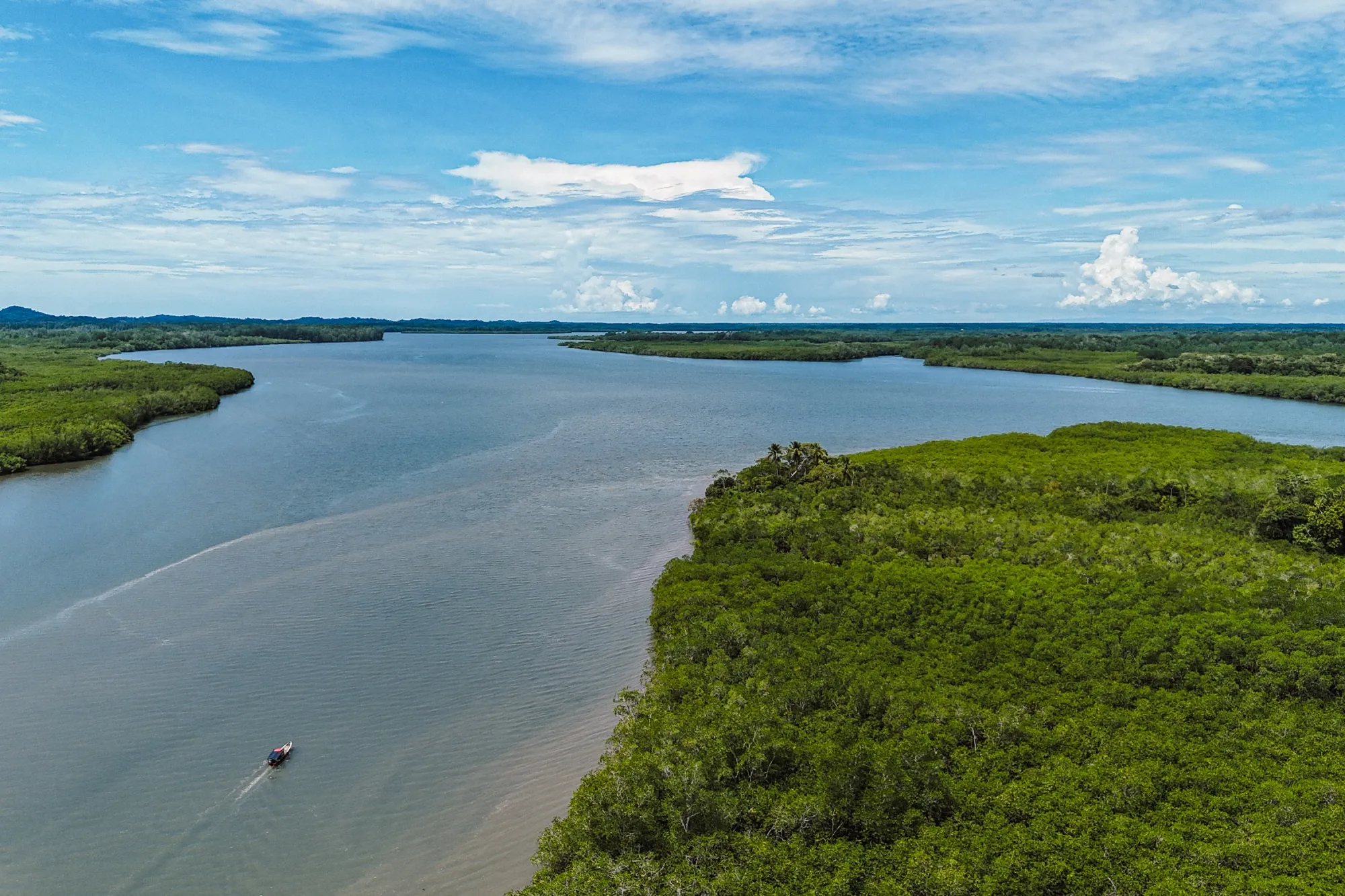
Oct 22, 2026 (Bloomberg) – For billionaire hedge-fund manager Louis Bacon, the clear waters and lush forests of the Gulf of Chiriqui in western Panama are a precious ecological haven. On the other hand, developer John McKeown sees the gulf as a pathway to new markets for the region's valuable products and a boost for the local economy.
These differing perspectives have sparked a heated conflict between the two wealthy Americans, each claiming to be advocating for Panama’s best interests.
The dispute revolves around a $260 million port that McKeown wants to build on Panama’s Pacific coast, just south of the city of David. His company, Ocean Pacific Investments, describes the project, named Puerto Baru, as Panama’s first “green” port, which will alleviate congestion at trading hubs in Panama City and connect to trade routes in North America and Asia. The region of Chiriqui, home to around 500,000 residents, is known as Panama’s agricultural hub, producing coffee, papayas, and shrimp.
The conflict has escalated to the Supreme Court of Panama, which is currently reviewing the port’s environmental approval following challenges from local nonprofits. So far, the disagreement has led to various civil and criminal complaints against these NGOs. The outcome will determine the future of this unspoiled area of Panama that has not yet enjoyed the wealth seen in the country’s capital.
For Bacon, the port project represents an unacceptable threat.
“I’m worried that the people behind this project lack the experience needed to develop or run commercial ports, yet they want to build one in a very sensitive environmental area in Panama,” he stated in a message to Bloomberg News. “Just looking at a map shows that this is not a suitable site for development.”
On its part, Ocean Pacific argues that it has taken environmental concerns into account and believes that the campaign against the port may stem from personal motivations.
“If I thought Puerto Baru would cause serious harm to any part of Panama, a country I love and call home, I would never have committed my time and resources to this project,” McKeown said in a statement.
The proposed site is located among winding channels that contain a quarter of Panama’s mangrove forests. These mangrove trees and their complex root systems protect coastlines, provide habitat for marine life, and absorb large amounts of carbon dioxide.
Ocean Pacific’s vision includes a commercial port covering 124 hectares (306 acres). The company claims it would be the largest private investment in Chiriqui Province’s history and would not only boost industry but also increase tourism, as there will be a dock for recreational boats. An economic assessment performed by the company in 2021 suggested the project could create over 1,100 jobs.
However, six Panamanian environmental groups argue that the facility and the increased traffic from cargo ships would cause permanent damage to the local ecosystem through pollution, disturbance of water, and reduced sunlight. Juan Carlos Monterrey Gómez, CEO of environmental consultancy VANGLabs and a former climate change representative for Panama, stated that some environmental impact from a project of this scale is unavoidable, although he is not affiliated with any opposing groups.
An Ocean Pacific representative disagreed, asserting that the port won’t cause irreparable damage and that potential environmental impacts were thoroughly explored and addressed in an environmental review approved two years ago. This review, he noted, was comparable to assessments for infrastructure projects in the US, took four years to complete, and included a public hearing. The project’s website states it is designed to meet “high sustainability standards,” with solar panels for energy and designated conservation areas.
The company has also made it clear that it does not operate ports and plans to partner with a port operator.
While the court considers the case, Ocean Pacific has continued working on the port project. They have also retaliated against the nonprofit groups by filing criminal complaints against two of them for slander, libel, and economic crimes.
Soon after, the two nonprofits reported that their bank accounts were frozen due to a court order. With no funds to pay staff or raise money, they are struggling to survive, and employees say these actions have created fear among other charities that might have been willing to speak out. This scenario resembles so-called SLAPP lawsuits, primarily aimed at intimidating critics, according to Joana Abrego, a former legal manager now consulting for CIAM, one of the affected organizations.
Ocean Pacific declined to comment on the ongoing legal matters.