
(Bloomberg) — Turkey, an important ally of the US and Iran's third-largest trading partner, is facing the possibility of losing a major energy supplier if the US follows through on its threats to economically isolate Tehran.
The US has warned countries against doing business with Iran, leaving Ankara in a difficult position as it considers the implications of cutting ties with one of its key natural gas suppliers. Interestingly, Turkey did not halt imports even after four Iranian missiles struck during the early days of the conflict.
Last year, Turkey imported about 13% of its natural gas from Iran, totaling 7.7 billion cubic meters, based on data from Ankara's energy regulator. This made Iran its fourth-largest supplier, following Russia, Azerbaijan, and the US.
Gas supplies continued to flow after US and Israeli airstrikes against Iran began in late February, with only a brief pause after an attack on the South Pars gas field, as reported by Bloomberg News.
Bilateral trade between Turkey and Iran was strong, reaching around $3.1 billion in the first half of the year, a slight 3% decrease from the prior year. Iranian tourists rebounded and represented 5.5% of Turkey’s foreign arrivals in the first seven months of this year.
On Monday, Treasury Secretary Scott Bessent warned that nations continuing to engage with Iran beyond a certain timeframe could face economic repercussions from the US, with President Donald Trump reaching out to world leaders with specific requests.
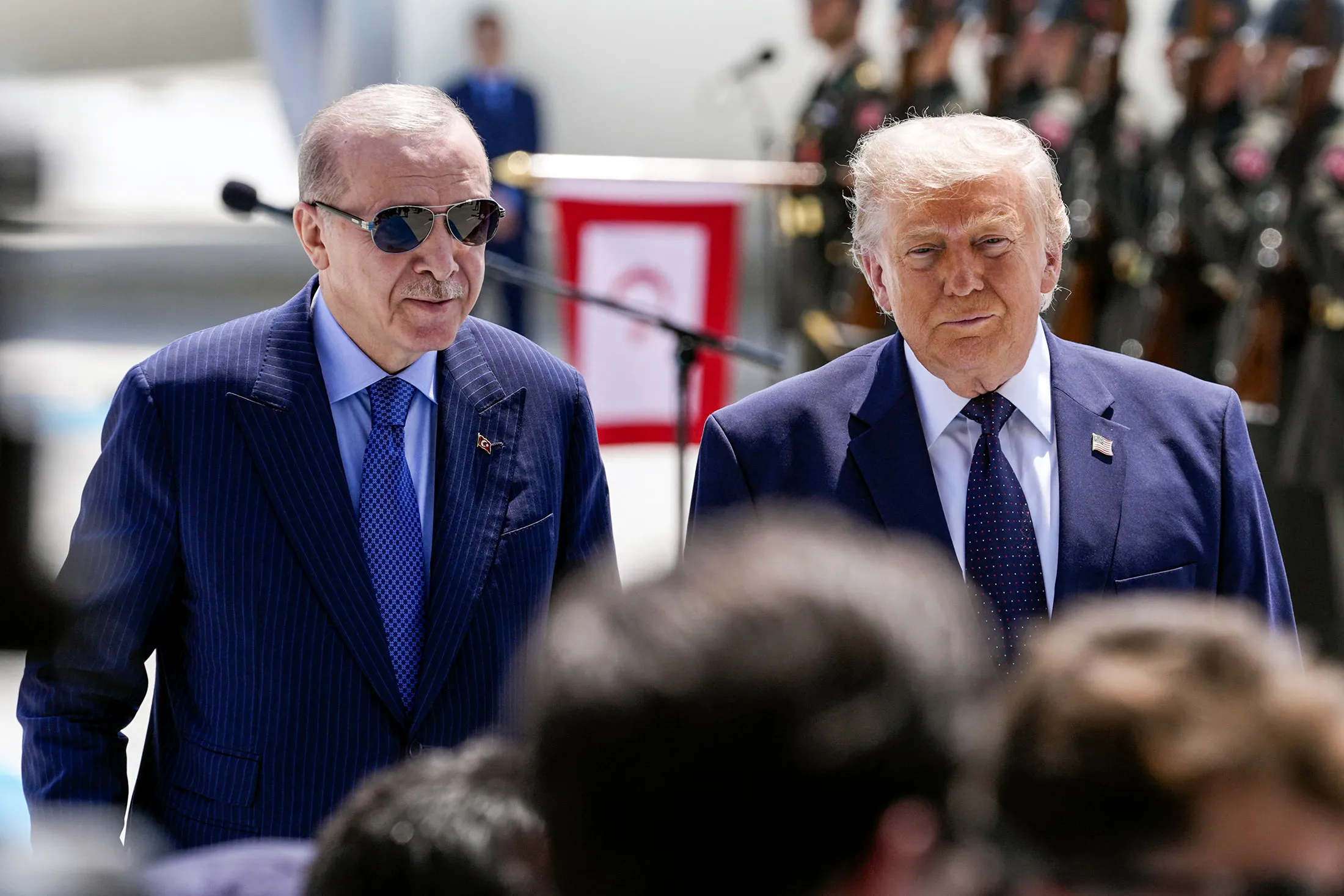
This suggests that Trump could reach out directly to Turkish President Recep Tayyip Erdogan, with whom he has a good relationship. During last month’s NATO summit in Ankara, Trump praised Erdogan for being more “loyal” than other allies. A recent phone conversation between the two leaders was reported by Turkey’s state-run Anadolu Agency.
Erdogan is likely hesitant to upset Trump, especially as Turkey tries to sell Russian air-defense systems to facilitate potential talks regarding US-made F-35 fighter jets. Turkey also wants to rejoin the consortium for producing fifth-generation jets and is interested in buying F-16 fighters, with a visit to Washington planned for next month.
“Erdogan wouldn’t want to do anything that could upset Trump and harm improving relations with Washington ahead of the upcoming elections in less than two years,” stated Nihat Ali Ozcan, a strategist at the Ankara-based think tank TEPAV. “Ankara will likely support Washington, even if it means finding more expensive energy sources before winter.”
US-Turkey relations have been rocky over Iran, particularly concerning an ongoing criminal case against Turkey's state-owned bank, Turkiye Halk Bankasi AS, over alleged violations of sanctions. However, in a sign of warming ties, the Justice Department recently requested that a judge dismiss the case.
Gas Deal
Despite a 25-year contract for 9.5 billion cubic meters annually ending in July, Turkey has continued to import Iranian gas, according to sources familiar with the situation.
This additional gas is referred to as ‘make-up gas’ to cover the shortfall during the original agreement, the sources indicated.
Iran announced in 2024 that negotiations for a new deal were underway, potentially for a larger volume. However, Turkey’s Energy Minister Alparslan Bayraktar stated in April that talks were stalled due to the ongoing war, while noting that Turkey “might need this gas pipeline or the flow from Iran for security of supply.”
Turkey's Energy Ministry did not provide comments on Tuesday, and Iran's Oil Ministry has not responded to multiple inquiries.
The US is launching what Bessent called “operation economic outcast,” aiming to limit Iran’s options to either accept global isolation or agree to favorable terms with Washington to end the six-month conflict. The specifics of these sanction plans remain uncertain.
This move comes after a prolonged period of deadlock in the conflict, during which Tehran has gained control over the crucial Strait of Hormuz, while the US has intensified blockades on Iranian ports, significantly impacting oil exports.
Neither side has shown an inclination to resume the fierce fighting seen in the first six weeks of the war. They have also struggled to make meaningful diplomatic progress, despite mediation efforts by Pakistan and Qatar.
If Turkey is forced to reduce gas imports from Iran, it could compensate by increasing liquefied natural gas imports, potentially from the US.
Turkey has been actively diversifying its energy sources over recent years by establishing new pipeline and LNG contracts, along with boosting domestic production to reduce reliance on imports.
In August, Minister Bayraktar stated that the country’s storage facilities are full.
Turkey is ramping up gas production from its Sakarya offshore field in the Black Sea and is set to start receiving additional supplies from Azerbaijan starting in 2029.