
Venezuela's Oil Operations Restart After Cyberattack
On December 17, Venezuela's state oil company, PDVSA, began loading crude and fuel shipments again after halting operations at its terminals on Sunday due to a cyberattack. However, most exports are still suspended as the U.S. threatens to impose a blockade on tankers that are under sanctions, according to multiple sources from the company and traders.
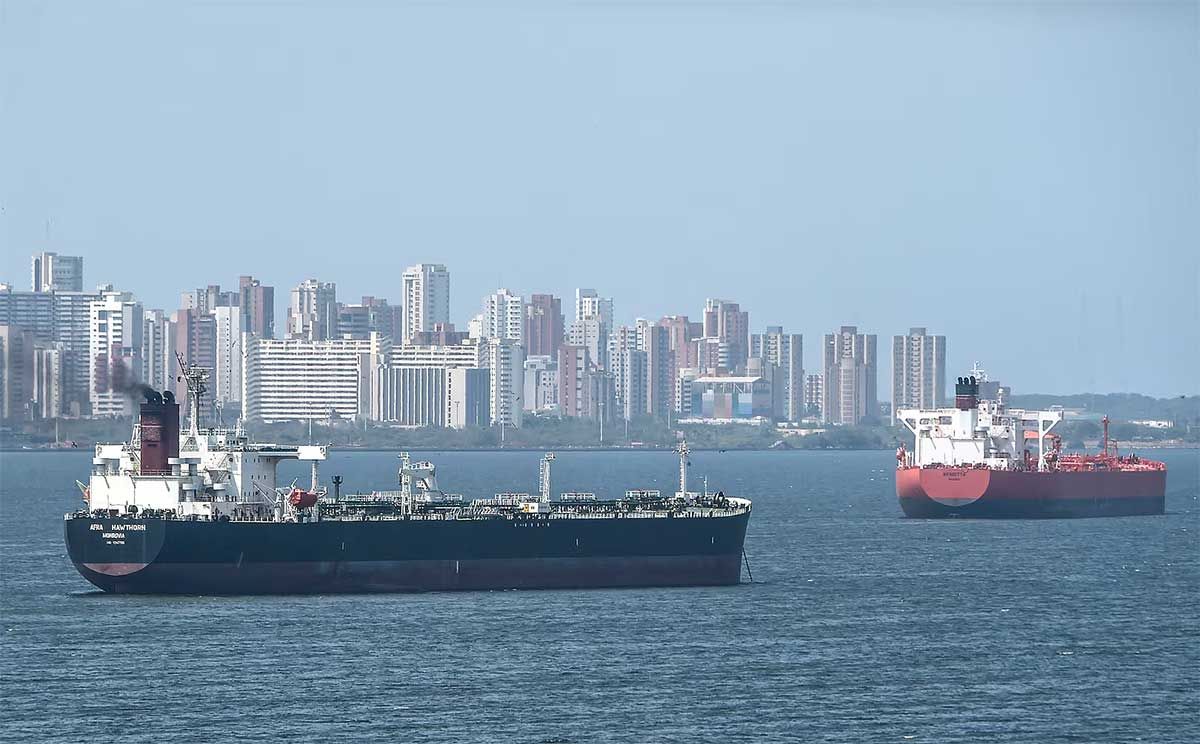
Venezuelan crude exports have dropped significantly from over 900,000 barrels per day in November to current levels, following the U.S. seizure of a sanctioned tanker a week ago. Ships already loaded are remaining in Venezuelan waters because operators fear they will be seized if they head to China, where most of Venezuela's oil is sent.
Despite the resumption of loading at PDVSA’s terminals, it is uncertain how many vessels will actually leave for international waters. On Tuesday, U.S. President Donald Trump announced a blockade on all oil tankers under sanctions entering or leaving Venezuelan waters.
Chevron Continues Shipping Activities
Chevron, the U.S. oil giant, confirmed that it was loading two vessels bound for the U.S. on Wednesday. The company has maintained its shipping of Venezuelan crude since the recent vessel seizure. Chevron operates as a joint venture with PDVSA and has U.S. approval to export oil from Venezuela, despite the ongoing sanctions against the country.
Not all vessels moving Venezuelan oil are subject to sanctions. Among the 80 oil tankers currently in Venezuelan waters, approximately 30 are sanctioned, according to TankerTrackers.com.
One unsanctioned supertanker departed this week with its tracking signal turned off, carrying 1.8 million barrels of heavy crude after several days of waiting. Another Very Large Crude Carrier also arrived in Venezuelan waters using "dark mode," as per internal PDVSA documents and monitoring data.
Currently, about 15 million barrels of Venezuelan oil are stuck on ships in the country’s waters. Customers and shippers have requested price reductions and changes to contracts to account for the increased risks involved in transporting Venezuelan oil, according to traders and a source from PDVSA.
PDVSA reported on Wednesday that its oil exports and imports have returned to normal, and its tanker fleet is operating without interruptions.
Movement of Oil Byproducts
On Wednesday, two ships without sanctions set sail carrying oil byproducts, but not crude oil. These vessels are transporting methanol and petroleum coke, a byproduct of crude oil processing. Since the initial imposition of sanctions on Venezuela in 2019, Washington has not targeted oil byproducts or petrochemicals.
Since last week, at least six oil tankers have turned around to avoid the Caribbean Sea, which is heavily monitored by U.S. naval forces. The Trump administration has deployed thousands of troops and nearly a dozen warships to the region.
Venezuela condemned Trump’s blockade as a "grotesque threat," claiming it violates international law, free trade, and the right to navigate freely. President Nicolas Maduro has alleged that the U.S. military buildup aims to overthrow him and take control of Venezuela’s vast oil resources, as the country has the largest crude reserves globally.
The specifics of how the U.S. will enforce the blockade remain unclear, particularly whether the U.S. Coast Guard will be involved in preventing vessels from operating. The Coast Guard played a role in the recent seizure of the supertanker Skipper near Venezuela, marking the first U.S. seizure of a Venezuelan oil cargo.
PDVSA's Operations Adjusted After Cyberattack
Following the cyberattack, PDVSA had to disconnect its oilfields, refineries, ports, and other facilities from its central system to resume operations. The company identified a ransomware attack days prior, and attempts to resolve the issue affected its entire administrative system. In ransomware incidents, harmful software can encrypt a victim’s files or lock their systems, often causing major disruptions.
To avoid prolonged halts in exports, terminal workers have started making manual records of deliveries, according to sources.
On the same day, Venezuela's largest refinery, the Amuay refinery with a capacity of 645,000 barrels per day, restarted operations after a short power outage, as reported by sources.
Increasing tensions between the U.S. and Venezuela have also impacted Venezuela's imports of heavy naphtha, which are essential for diluting its extra-heavy oil production. Russian naphtha exports to Venezuela might be jeopardized by the blockade, with some tankers turning back, as indicated by shipping data.