
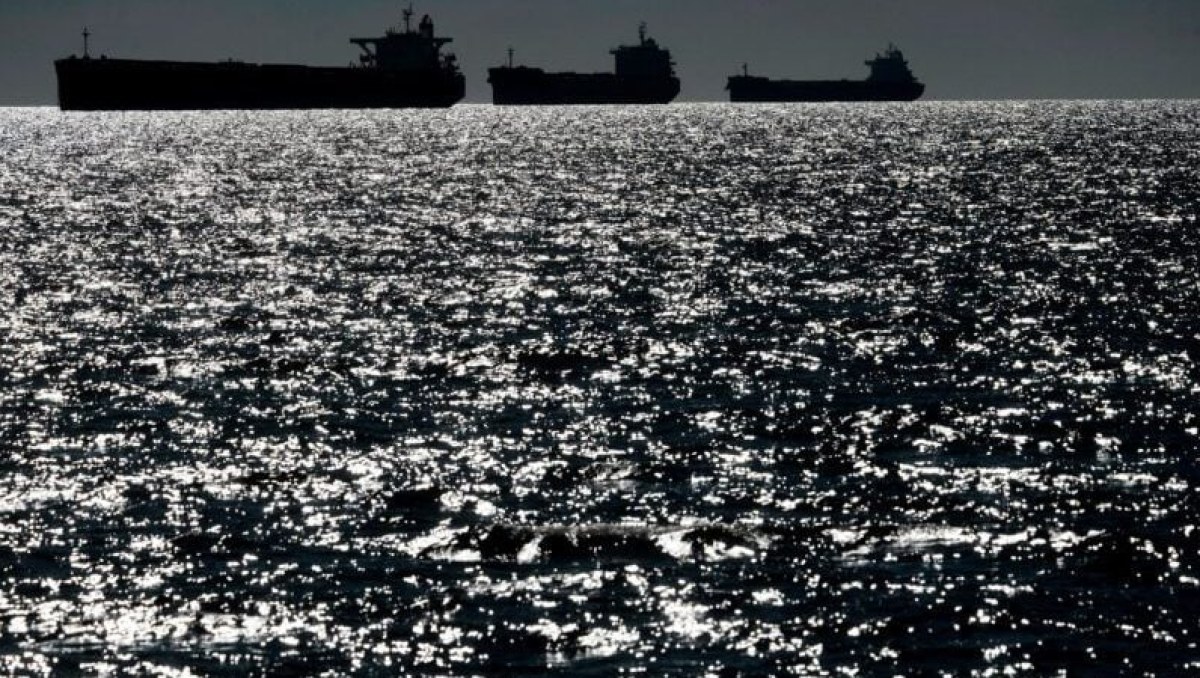
(Bloomberg) — A new US plan aims to rehabilitate tankers under sanctions to increase oil supply, but it might only appeal to a small part of the so-called dark fleet due to existing contracts, complicated compliance checks, and high freight rates, which make selling less attractive.
This measure, announced on Monday just a few weeks before the US midterm elections, is part of the Trump administration's ongoing efforts to reduce rising crude and fuel prices caused by months of conflict in the Persian Gulf and the ongoing war between Russia and Ukraine. Rising prices for gasoline and diesel have become a significant concern for voters in the US.
However, industry analysts warn that the number of available sanctioned supertankers is low, and potential sellers may prefer to continue operating their vessels in profitable routes across the Middle East. “Sanctions relief does not equal immediately usable mainstream tanker capacity,” said Rahul Kapoor, global head of shipping analytics and research for S&P Global Energy. He mentioned that the number of tankers that could realistically return to normal trading would likely be much smaller than those currently on the sanctions list.
According to the US proposal, blacklisted vessels can be sold and re-enter the legitimate fleet, as Energy Secretary Chris Wright stated on Monday. He noted that the government plans to “convert” tankers to increase global availability without lifting existing sanctions, though he did not provide specific details about the sale process or prospective investors.
The US has previously lifted sanctions on vessels when they met certain criteria. For example, the supertanker Kiara M was blacklisted in December for its involvement in Venezuelan oil trading but was removed from the list in March after the US adjusted the status of Caracas’s oil trade.
A more extensive plan would face various challenges, including a lack of financial incentives for sellers. Although resale values for ships have risen recently, high freight rates encourage ship owners to keep their vessels in use. A supertanker traveling through the Strait of Hormuz can generate up to $40 million per trip, while the price for a 10-year-old vessel was about $190 million earlier in October, according to Clarksons data.
There are practical issues as well, such as finding vessels that are not already under contract. Additionally, both the European Union and the United Kingdom impose their own sanctions and dominate maritime insurance, which could limit the effectiveness of unilateral US efforts.
Age is another consideration. An independent energy broker estimates that there are 294 sanctioned tankers not facing EU or UK penalties, but 70% of them are over 20 years old, making them less appealing to mainstream traders. This leaves only 75 commercially available tankers of various sizes, including 50 supertankers.
“Any return of capacity is likely to be gradual rather than immediate,” said Ting Jun Jie, an analyst at Oil Brokerage.
Fuel prices have been a major issue for the Trump administration, and efforts to lower oil prices have included temporary waivers for sanctioned oil and a diesel export deal with Russia. However, Brent crude remains close to a five-month high, and the rapid increase in freight rates shows no signs of stopping.
“The administration is taking all these steps to reduce prices,” said Karnan Thirupathy, a partner at Wotton Kearney who advises clients on compliance and regulatory issues in global shipping. “It hasn’t been framed this way in the past. This indicates they are more inclined to pursue these actions now than before.”