
The Trump administration has introduced a temporary sanctions waiver that allows for the production, sale, and shipment of Iranian oil. This marks a significant shift from the "maximum pressure" campaign that characterized U.S. relations with Iran during both terms of President Donald Trump.
On Monday, Treasury Secretary Scott Bessent announced this new approach, stating that Iran has agreed to ensure "free and open transit in the Strait of Hormuz" and to allow inspectors from the International Atomic Energy Agency (IAEA) to return to the country amid ongoing negotiations in Switzerland.
Bessent said in a social media statement, "Under President Trump and Vice President Vance, we continue to make the world safer and more prosperous. In line with the ongoing productive talks in Switzerland, Iran has committed to free and open transit in the Strait of Hormuz and to permit International Atomic Energy Agency inspectors into their country."
As part of the deal, the Treasury Department's Office of Foreign Assets Control (OFAC) issued Iran General License X. This license permits all transactions that are "ordinarily incident and necessary" for the production, sale, delivery, and unloading of Iranian crude oil, petroleum products, and petrochemicals until August 21, 2026.
The authorization is extensive and not only permits oil exports but also includes a variety of maritime services such as vessel management, crewing, bunkering, pilotage, registration, flagging, insurance, classification, and salvage. It even allows transactions involving vessels that were previously blocked due to U.S. sanctions.
Notably, this license allows for payments in U.S. dollars for authorized oil transactions, which is a significant change from prior efforts that aimed to isolate Iran from the global financial system.
This move is a clear departure from the policies Trump advocated during his first term after pulling out of the Iran nuclear deal in 2018. The "maximum pressure" campaign sought to bring Iranian oil exports down to near zero through various sanctions and strict enforcement against tankers and financial firms involved in Iranian oil trade.
Initially, the administration's approach in its second term was even more aggressive. Since April, U.S. forces have enforced a maritime blockade on Iran, stopped multiple tankers accused of breaching sanctions, and redirected many vessels trying to load Iranian oil.
The easing of sanctions arrives as Iranian oil exports are increasing, following an interim agreement last week between Washington and Tehran. Under this arrangement, the U.S. agreed to lift its maritime blockade and provide immediate sanctions waivers related to Iranian oil exports while broader discussions on nuclear matters, regional security, and maritime service administration in the Strait of Hormuz continue.
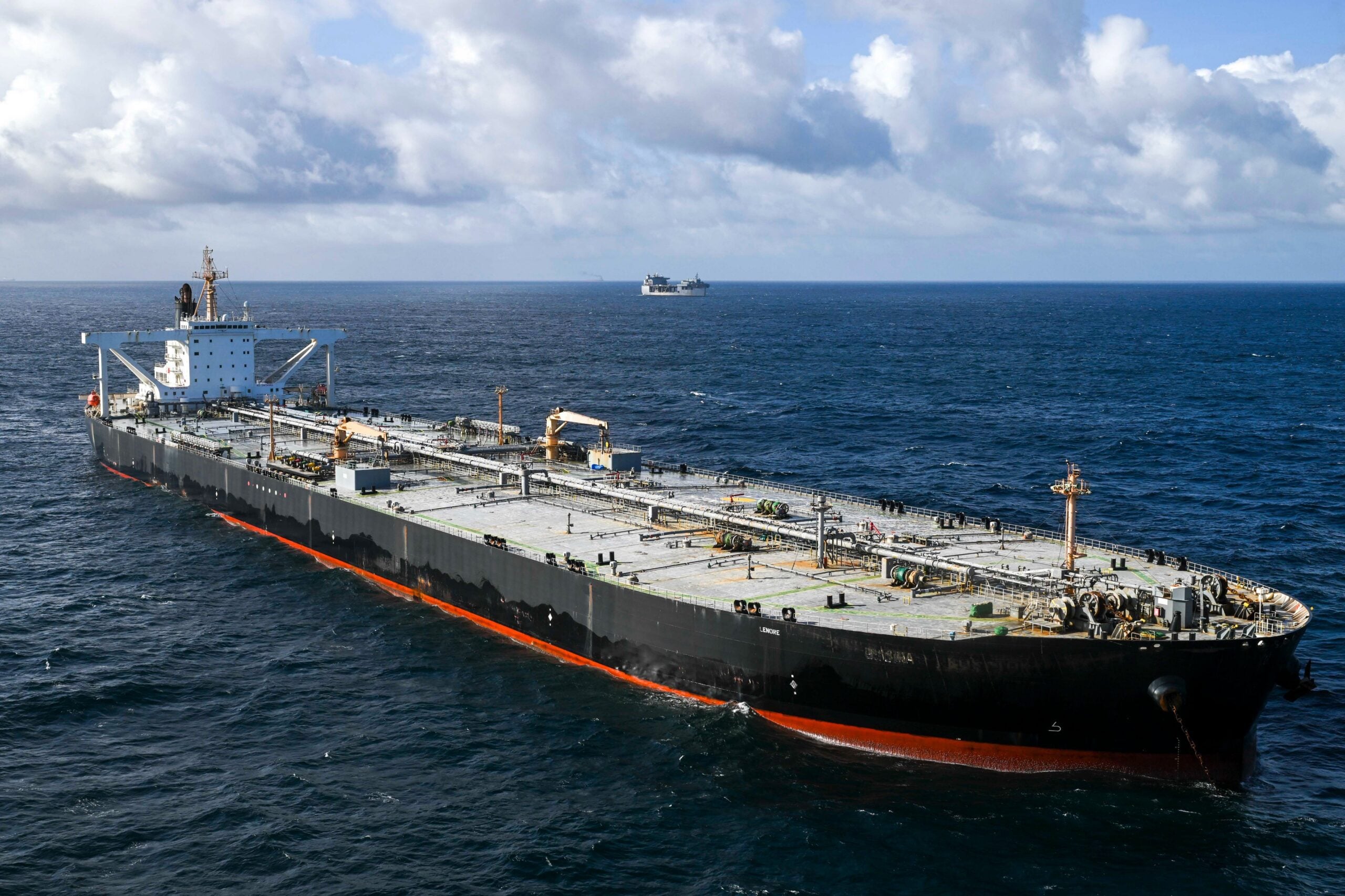
According to TankerTrackers.com, Iran has exported around 36 million barrels of crude oil since June 15, with a similar amount still in floating storage. Bloomberg also reported that three U.S.-sanctioned supertankers carrying a total of 6 million barrels of Iranian crude from Kharg Island are passing through the Strait of Hormuz, with indications that they are headed to buyers in Asia.
These exports follow previous shipments of about 20 million barrels from Chabahar, on Iran's Gulf of Oman coast, highlighting how quickly Tehran is moving to sell oil that has accumulated during months of conflict and blockades.
This policy change is likely to raise questions among supporters of Trump's long-held Iran strategy and also within the maritime industry, which now faces a quickly changing sanctions environment.
Whether General License X is a temporary confidence-building step related to ongoing talks or the start of a more lasting shift in U.S. policy towards Iranian oil is a key question as the situation in the Strait of Hormuz evolves.