
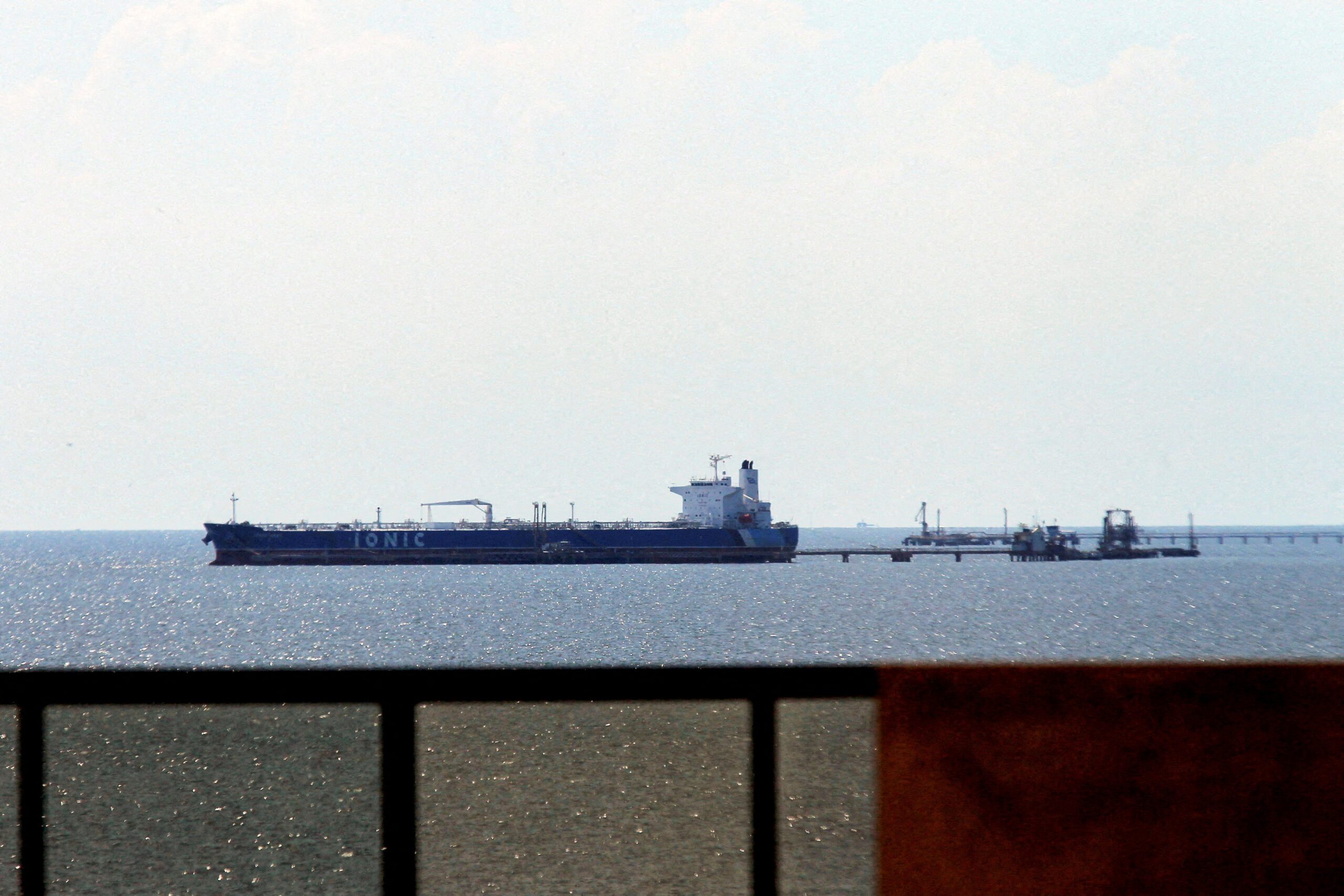
Jan 3, 2026 — President Donald Trump announced that U.S. oil companies will invest billions to rebuild Venezuela's damaged energy infrastructure following a military operation that led to the capture of Nicolas Maduro, the country's former leader.
During a press conference at his Mar-a-Lago estate in Florida, Trump shared his vision to utilize U.S. resources and expertise to restore the oil sector of the South American country to its previous state.
“We’re going to have our very large United States oil companies — the biggest anywhere in the world — go in, spend billions of dollars, fix the badly broken infrastructure — the oil infrastructure — and start making money for the country,” Trump stated. “They will be reimbursed.”
This plan for oil industry reconstruction is largely unprecedented, and Trump did not address many critical questions. He refrained from committing U.S. troops to assist during the transition, only saying that his administration would focus on safeguarding and improving the oil infrastructure.
It remains uncertain how inclined major oil companies like Exxon Mobil Corp., Chevron Corp., and ConocoPhillips are to invest heavily in a country managed by a temporary, U.S.-backed government without established legal and financial frameworks. Both Exxon and ConocoPhillips did not respond to requests for comment, while Chevron continues to operate in Venezuela under a special U.S. license.
Analysts suggest that restoring critical infrastructure could take years and that Venezuela, which currently provides less than 1% of global oil supply, despite having the world's largest reserves, has substantial hurdles to overcome.
Venezuela's oil potential is significant, but the risks involved have not diminished even after the capture of Maduro, according to an industry source who wished to remain anonymous.
Low oil prices also pose challenges, particularly given the expected level of investment. These concerns have been communicated to officials in the Trump administration.
Trump's approach to Venezuela aligns with his broader vision of U.S. energy leadership, showcasing American companies not only increasing domestic oil and gas production but also extending their influence globally.
The president has consistently emphasized the importance of low oil and gasoline prices to combat inflation and address cost-of-living issues ahead of the upcoming midterm elections. Oil prices ended 2025 with their biggest yearly decline since 2020, with global benchmarks nearing $60 per barrel.
Trump mentioned that the U.S. will collaborate with Venezuelan Vice President Delcy Rodríguez to facilitate a transition to a democratically elected government following Maduro’s ousting, but she and other leaders of the regime have been largely uncooperative so far.
If Rodríguez is willing to cooperate, she could assist the U.S. in maintaining stability during the transition.
However, the scale of rebuilding necessary is extensive. “Just stabilizing existing production will require low single-digit billions of dollars for workovers, power, water management, and export infrastructure repairs,” explained Bob McNally, president of Rapidan Energy Group.
Big Oil
Chevron is in a strong position to boost Venezuelan oil production, as it already accounts for about 20% of the country's output and has been operating under a U.S. sanctions waiver for most of the past decade.
Exxon and ConocoPhillips also have experience in Venezuela but exited after their assets were nationalized by Maduro's predecessor, Hugo Chavez, in the mid-2000s. Exxon has indicated a willingness to consider investing in Venezuela but only under favorable conditions.
“We’d have to see what the economics look like,” Exxon CEO Darren Woods commented in November. “So I wouldn’t put it on the list or take it off the list.”
Strong economic conditions and higher oil prices in the coming years might encourage other hesitant companies to re-evaluate their operations in Venezuela if they observe stability and are offered concessions, according to analysts.
Over the past century, nearly every major oil company has been attracted to Venezuela’s vast underground resources, but many have faced significant losses. Two rounds of nationalization have left companies like Shell Plc, Exxon, and ConocoPhillips wary, with the latter two still owed billions in compensation for seized assets.
ConocoPhillips has “significant incentives to return” and claim the over $10 billion owed to it, said Francisco Monaldi, director of Latin American energy policy at Rice University in Houston. However, “it’s highly unlikely that major Western oil companies will engage in talks until there is political stability that clarifies the key players and the legal framework.”
Chevron stands apart, currently producing about 140,000 barrels a day from Venezuela and exporting it to refineries on the Gulf Coast under a special license from the U.S. government. The Houston-based company negotiated a series of agreements to operate under Chavez and continued under both Republican and Democratic administrations.
Chevron continues to operate “in full compliance with all relevant laws and regulations,” as stated in a recent release, and is prioritizing the safety of its employees and the integrity of its assets.
So far, Chevron's focus has primarily been on recovering its debts rather than investing in expanding production.