
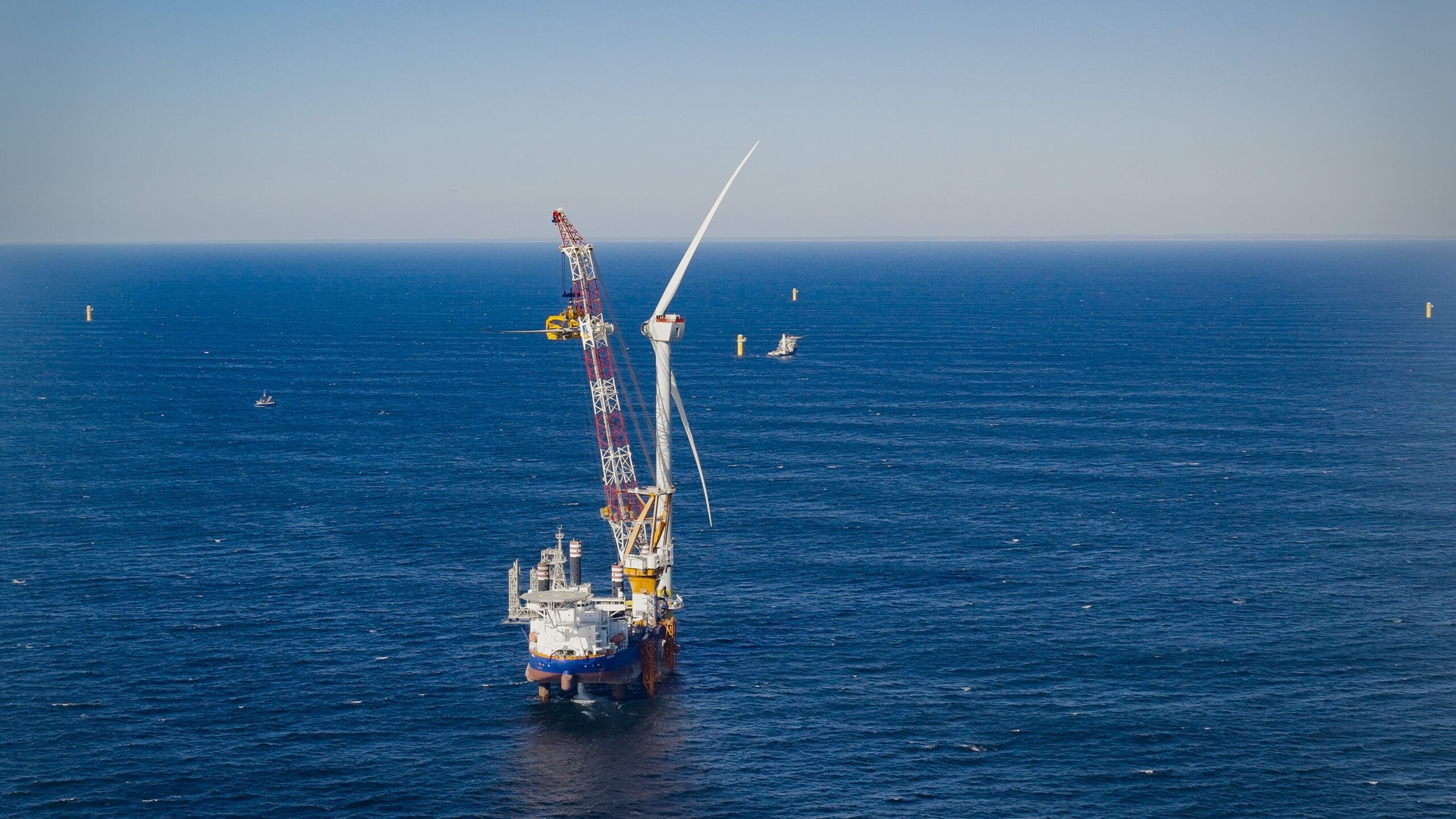
The Trump administration is actively working to roll back U.S. offshore wind projects. Recently, they announced a new agreement with Invenergy to cancel four offshore wind leases and instead invest hundreds of millions of dollars into natural gas and geothermal projects.
On Wednesday, the Department of the Interior revealed that Invenergy and its partners will voluntarily give up their offshore wind leases in the New York Bight, Central Coast of California, and the Gulf of Maine, which are worth around $765 million. In exchange, the company will channel this money into domestic energy projects, mainly natural gas power plants located in Indiana, Wisconsin, Iowa, Kansas, and Missouri, as well as geothermal ventures in the western U.S.
This agreement is one of the largest recent moves in President Trump's energy strategy. Instead of relying on lawsuits to halt offshore wind projects, the administration is negotiating settlements that let developers recover their lease payments while redirecting their investments into traditional energy infrastructure.
This approach started earlier this year with an important deal with TotalEnergies. The French company agreed to cancel its offshore wind leases in the New York Bight and Carolina Long Bay, valued at about $928 million, and reallocate that money to U.S. LNG and oil and gas projects, including Rio Grande LNG.
In April, the administration made deals with Bluepoint Wind and Golden State Wind, where developers also agreed to give up their offshore wind leases in New York and California, redirecting around $885 million towards LNG facilities and other energy projects.
With the latest agreement with Invenergy, more than $2.5 billion in offshore wind lease funds have now been redirected into natural gas, LNG, oil, and geothermal initiatives as part of the administration's buyout program.
“President Trump is dedicated to providing affordable, reliable American energy for our communities and prioritizing the needs of the American people through sensible actions,” stated Interior Secretary Doug Burgum.
Burgum claimed that the offshore wind leases relied on “expensive, unreliable” subsidies, and he raised concerns about national security, saying that companies are now investing in “dependable, secure energy infrastructure.”
The Department of Justice also praised this agreement. Associate Attorney General Stanley Woodward mentioned that this move enhances Trump's energy agenda, lowers costs for consumers, and strengthens domestic energy security.
Invenergy described its decision as a business decision. “Given the unprecedented energy demand, Invenergy is committed to providing reliable, affordable energy to our customers while focusing on disciplined investment at scale,” said Daniel Runyan, the senior vice president for development. He added that the company will keep looking for opportunities as market conditions change.
However, this expanding buyout strategy is facing challenges. Just this month, New York Attorney General Letitia James and Governor Kathy Hochul, along with six other states, filed a lawsuit to contest the TotalEnergies agreement. They argue that the federal government does not have the authority to cancel offshore wind leases through negotiated settlements without following the proper procedures set by offshore leasing laws.
The states are also questioning the use of federal funds related to these agreements, labelling the buyouts as an unlawful attempt to dismantle offshore wind initiatives through financial agreements instead of regulatory actions.
The impact on the maritime industry is significant. Offshore wind projects have driven investments in specialized installation vessels, Jones Act feeder ships, port upgrades, and domestic supply chains along the East Coast. Each canceled lease diminishes the long-term prospects for projects that support this ecosystem.
At the same time, the administration is increasingly linking the decline of offshore wind to a wider effort for LNG exports and traditional energy production. The agreement with Invenergy underlines this strategy, steering offshore wind investments towards energy sources the White House sees as vital for its broader “Energy Dominance” goals.
It remains unclear whether other developers will follow this trend. After federal courts have consistently rejected attempts to stop ongoing projects, negotiated buyouts have become the preferred method for the administration to reshape the future of offshore wind in the U.S.