
By Timothy Gardner
WASHINGTON/DUBAI/ISLAMABAD, April 29 (Reuters) – Donald Trump spoke with oil companies about how to lessen the effects of a potential long-term U.S. blockade of Iran's ports. A White House official revealed this on Wednesday, as Trump urged Tehran to "get smart soon" and finalize a deal.
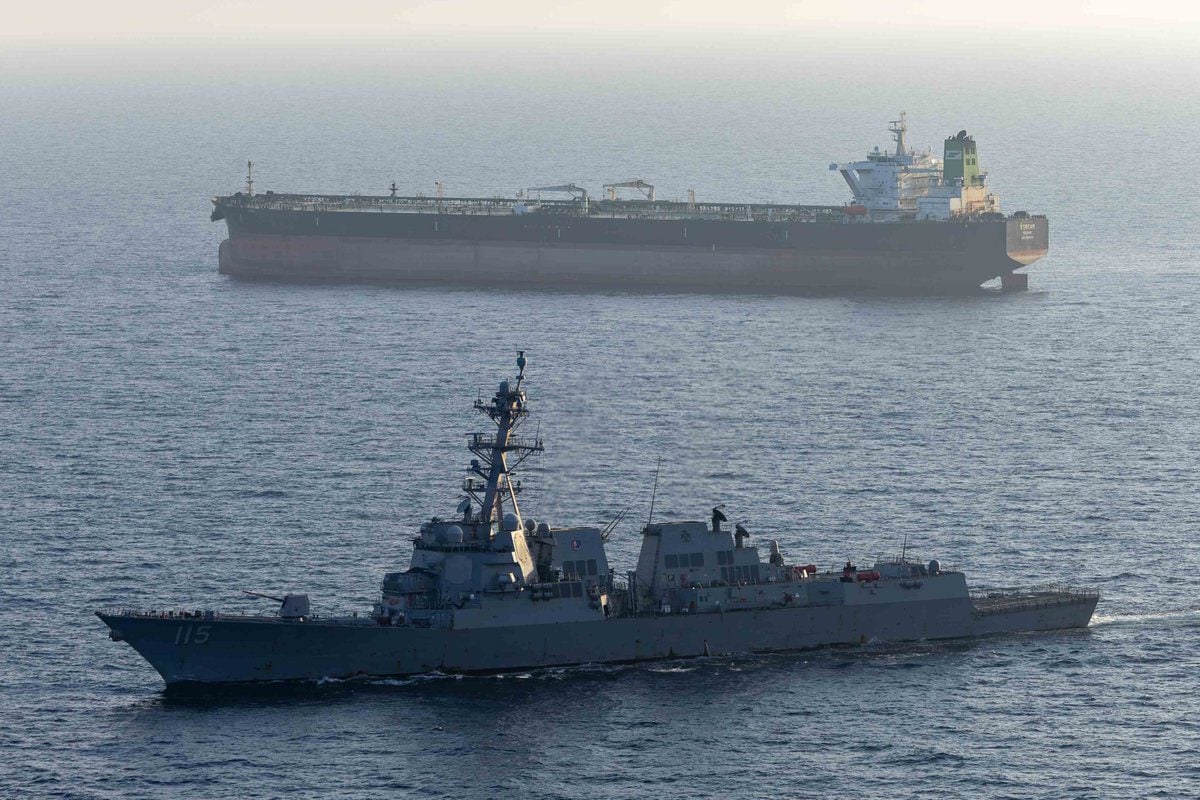
On Tuesday, Trump met with oil executives to discuss the situation, which has reached a standstill. The U.S. is attempting to limit Iran's oil exports through a naval blockade, aiming to pressure Iran into reopening the Strait of Hormuz for shipping.
While both Washington and Tehran issued public threats, Pakistan is working as a mediator, trying to prevent escalating tensions. A source from Pakistan noted that the two sides were still sharing messages about a possible deal.
Trump mentioned that Iran can reach out anytime they want to talk and criticized Tehran on Truth Social, saying they "couldn't get their act together."
The discussions between the president and the oil executives focused on the actions Trump has taken to stabilize global oil markets. They explored options to maintain the blockade for several months if necessary, while minimizing the impact on American consumers, according to the White House.
On Wednesday, oil prices surged over 6%, with Brent crude reaching a one-month high, fueled by the prospect of a prolonged blockade.
The ongoing conflict has cost the U.S. military about $25 billion so far, a senior Pentagon official reported, marking the first official estimate of the war's expense.
Iran has vowed to continue disrupting shipping in the Strait as long as it feels threatened, which may lead to further oil supply issues in the Middle East. The conflict has resulted in thousands of deaths and caused significant global economic disruption.
Iran warned on Wednesday about "unprecedented military action" in response to the ongoing U.S. blockade of vessels linked to Iran. Trump insists Iran cannot possess nuclear weapons, while Tehran claims its nuclear aspirations are purely peaceful.
"They don’t know how to sign a non-nuclear deal. They’d better get smart soon!" Trump stated in his social media post, without detailing what such a deal might look like.
URANIUM DISPUTE, ECONOMY UNDER PRESSURE
Iran is seeking U.S. recognition of its right to enrich uranium for peaceful civilian uses. It currently holds about 440 kilograms (970 pounds) of uranium enriched to 60%, which could be further processed for nuclear weapons.
Iran’s parliament speaker and chief negotiator, Mohammad Baqer Qalibaf, criticized Trump for attempting to create divisions among Iranians and forcing Iran to capitulate through the blockade.
"The solution to confronting the enemy's new conspiracy is maintaining unity, which has always undermined their plots," Qalibaf said in an audio message on Telegram.
Since the war began two months ago with the U.S. and Israel, Iran has executed at least 21 individuals and arrested over 4,000 on security-related charges, according to the U.N. human rights chief Volker Turk.
The war's economic impacts are evident as Iran's currency hit a record low on Wednesday, the Iranian Students’ News Agency reported. The central bank indicated that inflation for the month spanning from March 20 to April 20 reached 65.8%, a situation likely worsened by the currency's decline.
IRAN WANTS FORMAL END TO CONFLICT FIRST
Iran's latest proposal to end the conflict, which has been on hold since April 8 due to a ceasefire, suggests postponing discussions on its nuclear program until after the conflict is officially resolved and shipping matters are settled. This was not in line with Trump's demand to tackle the nuclear issue first.
A Pakistani source indicated that the U.S. has provided "observations" on the Iranian proposal, and it is now up to Iran to respond, noting that Iran has requested time until the end of the week.
At the request of senior administration officials, U.S. intelligence agencies are analyzing how Iran might react if Trump were to declare a unilateral victory, according to two U.S. officials and another source familiar with the situation.
Since airstrikes by the U.S. and Israel began on February 28, Iran has largely blocked all shipping except its own from the Gulf through the Strait of Hormuz, a critical point for global energy supplies. The U.S. has initiated a blockade on Iranian ships this month.
Following the deaths of several senior Iranian political and military leaders, including Supreme Leader Ayatollah Ali Khamenei, Iran has lacked a single, indisputed religious authority at the top level. Mojtaba, Khamenei's wounded son, has reportedly gained influence, which has empowered hardline commanders in the Islamic Revolutionary Guard Corps.
Meanwhile, Trump is facing domestic pressure to conclude a war that has been met with evolving justifications amid rising gas prices. His approval rating has dropped to the lowest level of his current term, with a recent Reuters/Ipsos poll showing only 34% of Americans approving of his performance, down from 36% in the previous poll.
Defense Secretary Pete Hegseth defended the Iran conflict in a passionate address to Congress, stating it is not a quagmire and critiquing Democratic lawmakers as "feckless" for their criticisms of the unpopular war.