
The U.S. Department of the Interior has suggested specific changes to the rules regarding exploratory oil and gas drilling in the Arctic offshore of Alaska. They believe these changes will cut down on unnecessary regulations while still keeping safety and environmental standards intact.
This proposal was shared on Monday by the new Marine Minerals Administration (MMA). It aims to modify parts of the Arctic Exploratory Drilling Rule from 2016, which was created during the Obama administration. Officials from the Interior Department stated that the revisions aim to incorporate technological improvements, operational experiences, and lessons learned since the original rule was put in place.
“President Trump has made it clear that we need to take full advantage of Alaska’s incredible resource potential for the benefit and security of our nation and its residents,” said Interior Secretary Doug Burgum. “This proposed rule demonstrates a focused approach that improves regulatory efficiency, removes unnecessary obstacles, and ensures that Arctic energy exploration is done safely, responsibly, and with strong federal oversight.”
As per the Interior Department, the revisions would update regulations on real-time monitoring of blowout preventers, Arctic source control equipment, relief rigs, subsea isolation devices, mudline cellars, oil spill response plans, crane operations on artificial islands, and rules for suspending operations and production.
The agency also plans to get rid of the separate Integrated Operations Plan requirement and instead combine important Arctic planning details into the existing Exploration Plan process.
These changes are designed to give operators more flexibility while still allowing the federal government to enforce additional safety measures for Arctic drilling activities when necessary.
“The Alaskan Outer Continental Shelf holds some of the most promising offshore resources in America,” stated Matt Giacona, Acting Director of MMA. “These updates will provide clear and practical options for compliance in Arctic Outer Continental Shelf exploration while ensuring protections for workers, the environment, and Alaska’s vital natural resources.”
It’s important to note that this proposal does not authorize any new lease sales, exploration plans, drilling permits, or production activities. Any upcoming projects will still have to go through existing environmental reviews, permit approvals, oil spill response planning, inspections, and compliance oversight.
This proposed rule is part of President Donald Trump’s Executive Order 14153, titled Unleashing Alaska’s Extraordinary Resource Potential, which instructs federal agencies to promote responsible development of Alaska’s natural resources. It also aligns with Secretary of the Interior Order 3451, which established the Marine Minerals Administration to take over the offshore energy regulatory duties previously managed by the Bureau of Ocean Energy Management and the Bureau of Safety and Environmental Enforcement.
This latest proposal is another step in a long-running political debate over offshore development in the Arctic.
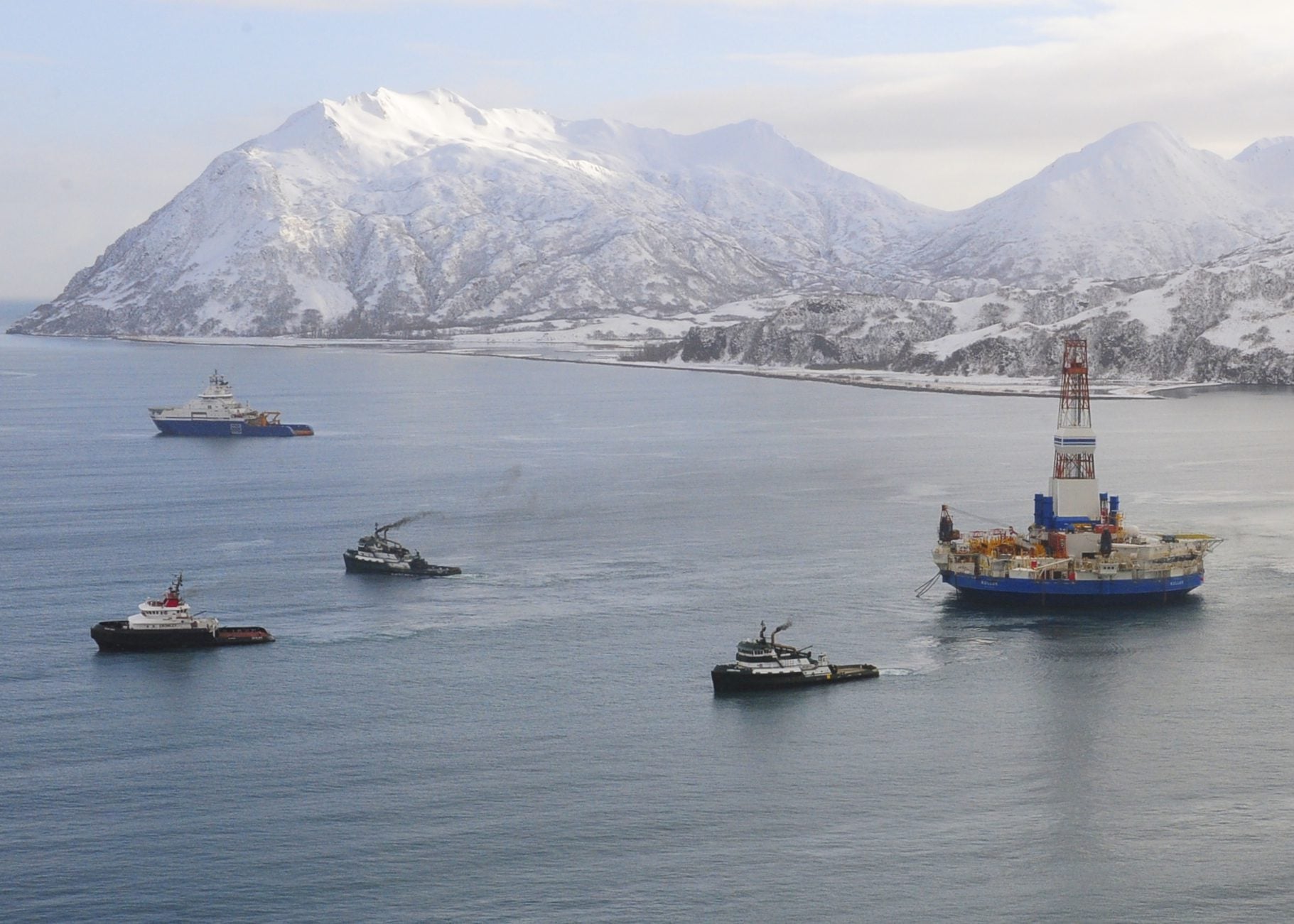
The 2016 Arctic Exploratory Drilling Rule was created after extensive reviews following Shell’s unsuccessful drilling attempts in the Arctic in 2012 and 2015. It established a set of specific safety requirements for exploratory drilling in the Beaufort and Chukchi seas, focusing on standards for well control, blowout preventers, source control, relief rigs, real-time monitoring, and integrated planning to address the region's unique challenges such as remote locations, ice conditions, and limited emergency response resources.
Also in 2016, President Barack Obama used the Outer Continental Shelf Lands Act to permanently withdraw large areas of the Chukchi Sea, most of the Beaufort Sea, and parts of the Atlantic coast from future oil and gas leasing, citing environmental concerns and the difficulties in responding to a significant oil spill.
The new proposal will be published in the Federal Register, starting a 90-day public comment period.