
Reunification Signals a Major Change in Offshore Oversight
The U.S. Department of the Interior is starting a gradual process to consolidate oversight of offshore energy through a new entity called the Marine Minerals Administration. This marks a big change in how the country manages offshore oil, gas, and new mineral developments.
The plan will combine the responsibilities of the Bureau of Ocean Energy Management and the Bureau of Safety and Environmental Enforcement. This means leasing, permitting, inspections, and environmental oversight will all be handled under one organization.
Officials from the Interior Department state that this move aims to enhance coordination and efficiency while keeping current safety and environmental protections intact.
“We are creating an agency that reflects our current situation and future needs,” said Interior Secretary Doug Burgum, highlighting the necessity for a more united approach as offshore energy development expands beyond just oil and gas to include vital minerals and other new resources.
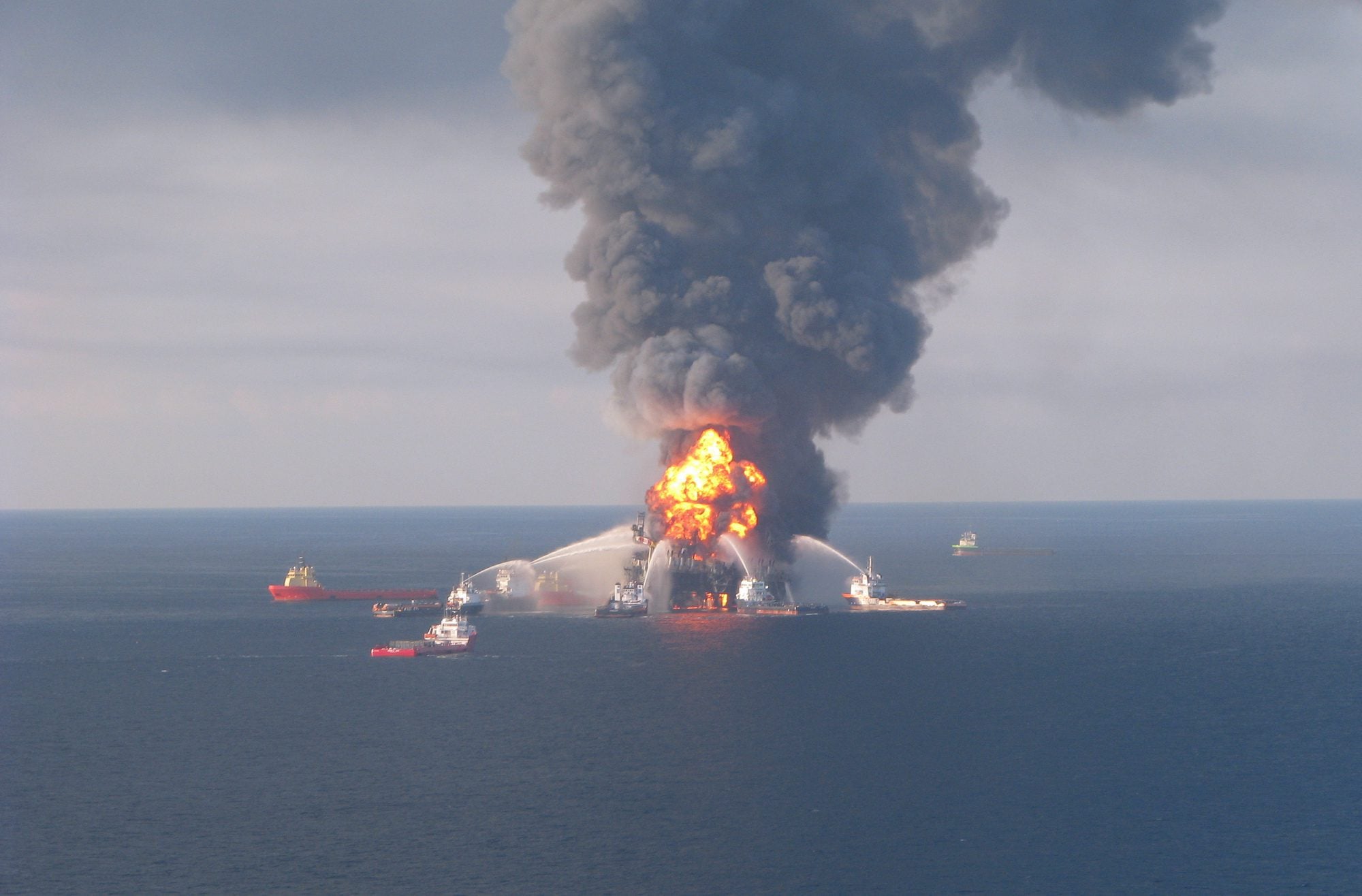
This restructuring marks a significant departure from the regulations set up after the Deepwater Horizon explosion and oil spill, which revealed serious issues in federal oversight of offshore drilling.
Following that disaster, the Interior Department disbanded the Minerals Management Service, which had been in charge of leasing, revenue collection, and safety enforcement—tasks that were widely considered to be in conflict with each other.
In 2011, the agency was divided into separate entities, including BOEM for leasing and resource planning, and BSEE for enforcing safety and environmental rules.
This separation aimed to ensure that a single agency wouldn’t be responsible for both promoting and regulating offshore development.
The Interior’s new initiative effectively brings back the structural unity by merging planning and enforcement roles into one organization.
Officials assure that existing laws and regulatory safeguards will stay the same during this transition, and that the consolidation will minimize redundancy and improve decision-making throughout the offshore development process.
However, this shift may face criticism from those who view the separation established in 2010 as a crucial reform to avoid future offshore disasters.
This change comes just three years after the Interior Department reinforced the separation of duties by moving offshore renewable energy safety oversight from BOEM to BSEE in 2023, aiming to clarify roles as the offshore wind industry grew.
At that time, officials stressed the need for strong, independent safety and environmental enforcement.
The changes arise as the Trump administration pushes to expand offshore energy following the passage of the One Big Beautiful Bill Act, which requires 30 lease sales in the Gulf and six auctions in the Alaska Cook Inlet over the next few decades.
The Gulf of America/Mexico Outer Continental Shelf covers about 160 million acres and is estimated to hold nearly 30 billion barrels of undiscovered, technically recoverable oil and over 54 trillion cubic feet of natural gas.
The establishment of the Marine Minerals Administration indicates a broader adjustment, as lawmakers seek to simplify oversight amid increasing demands for domestic energy production and the development of offshore critical mineral resources.
The Interior Department stated that this transition will happen in phases, with no immediate changes to regulations or protections.
Details on how the new agency will ensure independence between leasing and enforcement functions are still unclear.
As this reorganization takes place, industry members may appreciate the potential for quicker permitting and better coordination, while regulators and policymakers will closely monitor how the new framework balances efficiency with the important lessons learned from past experiences.