
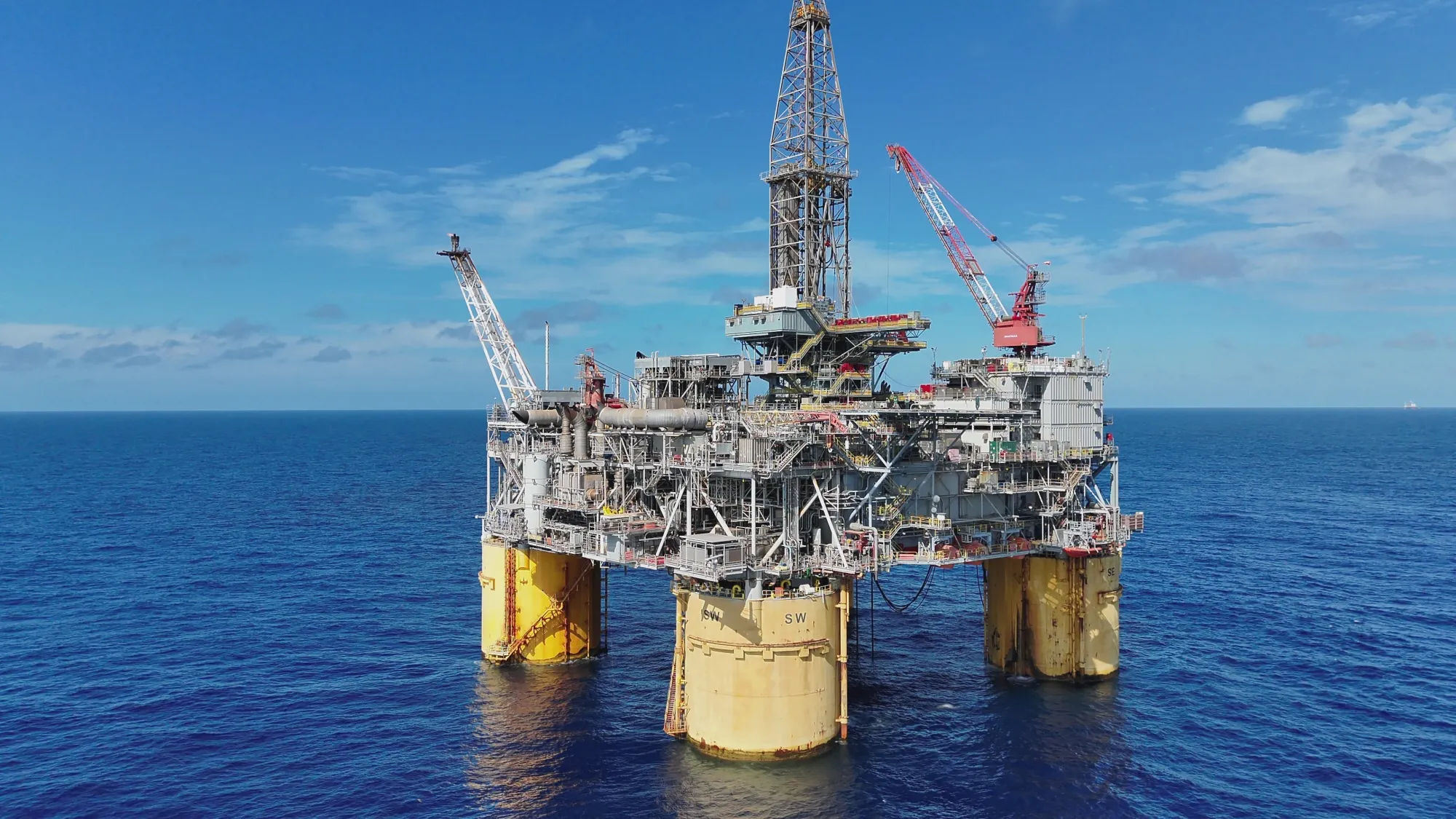
On October 9, 2026, in a move to improve operations during hurricane season, Shell Plc has received important approval from the U.S. to use drones on offshore oil platforms. This makes them the first oil company to implement drones for such purposes in the Gulf of Mexico.
Shell believes that using drones will allow them to restart oil production more quickly after hurricanes, potentially saving the company tens of millions of dollars in the future. Kevin McMahon, who is the vice president of production assets in the Gulf of America, explained, “When a hurricane strikes and we have to evacuate, no oil is produced. Drones based on platforms will let us carry out inspections sooner after the storm, giving us a head start.”
As the largest oil producer in the Gulf of Mexico, Shell’s investment in drone technology is in the thousands of dollars, yet it could lead to savings of nearly $50 million within three years by allowing them to start oil production a day earlier after storms. The first drone, part of Shell's IRN-Maiden project, is set to be installed this year on one of the Mars project's platforms, located about 130 miles south of New Orleans.
The issue of restarting operations after a hurricane is pressing. Hurricane Isaias, the first major Atlantic storm this year, is expected to hit the U.S. Gulf Coast soon, causing about 63% of the Gulf of Mexico's crude output to be shut down by early Friday. Additionally, nearly 500,000 barrels per day of refining capacity is at risk as several ports shut down ahead of the storm.
Hurricanes pose significant risks to oil production, especially as climate change leads to more intense storms. Platforms can be offline for days or even weeks after a storm, since teams must wait for inspectors to confirm safety before returning. High winds and massive waves make these inspections even tougher.
Restarting oil platforms involves a detailed process, beginning with helicopter flights to evaluate safety before workers can return. Inspectors use long-range binoculars and cameras to assess damage and send live updates back to Shell’s recovery center. This entire procedure can take a full day and relies on weather conditions.
With drones, Shell aims to speed this process up by launching these battery-powered devices directly from the platforms. The drones, which are about 2.5 feet wide (similar to two large pizzas side by side), can cover the vast offshore facilities and can zoom in to check for leaks and damaged equipment while sending real-time reports back to shore via SpaceX's Starlink satellite broadband.
While drones are commonly used to inspect pipelines and chemical plants, their use in international waters has been limited due to regulatory restrictions from the Federal Aviation Administration (FAA). Shell was granted a waiver by the FAA earlier this year after two years of effort. The drones will be stored in hurricane-proof containers.
Ross Doak, a senior robotics engineer leading the project, stated, “By the time other companies deploy helicopters or fixed-wing aircraft, we've likely already conducted detailed surveys of any damage and can start planning the next steps.”
Since Hurricane Florence in 2018, U.S. property insurers have been using drones to assess storm damage, and electric utilities have used them even longer for inspecting wind and solar sites. Additionally, the National Oceanic and Atmospheric Administration has explored the use of unmanned aircraft for hurricane prediction data collection, and Norway has been utilizing drones in the North Sea.
Shell’s CEO Wael Sawan has focused on reducing costs since he took over in 2023, aiming for savings of $5 billion to $7 billion by the end of 2028.
In 2027, Shell plans to launch at least five more drones in the Gulf of Mexico and may expand this project to other offshore locations such as the North Sea and Africa.