
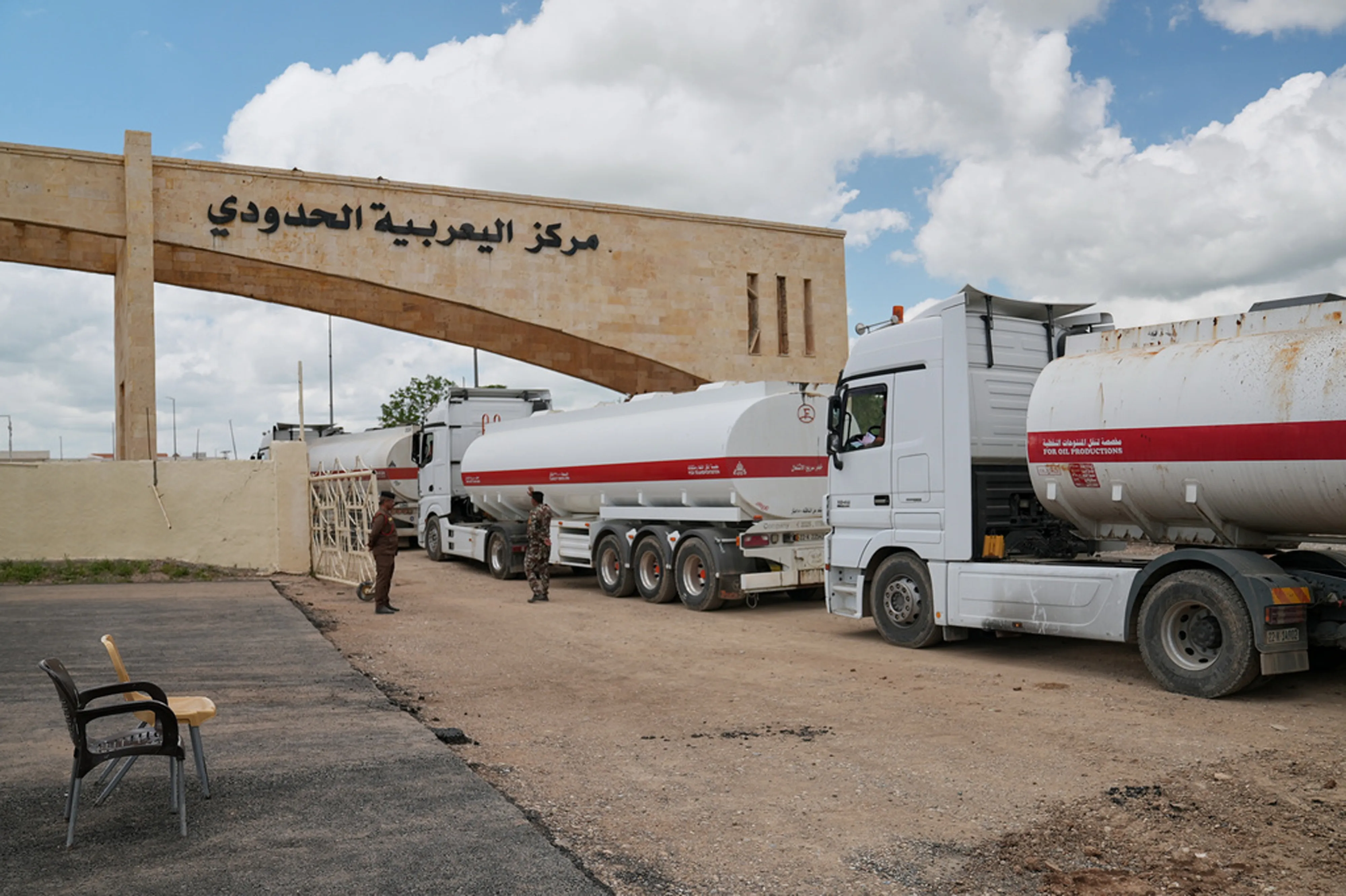
July 18, 2026 - Iraq is now using many trucks to transport fuel oil through Syria, bypassing the Strait of Hormuz and quickly turning Syria into a major export hub in the Middle East.
In just a few months, Syria has grown from not exporting any fuel oil to handling over a quarter of the fuel volumes in the region. The supplies are arriving via thousands of trucks, which take about four days to reach Syria’s Mediterranean ports, illustrating how the ongoing conflict is changing energy routes in the region.
Countries in the Persian Gulf are working to lessen their dependence on Hormuz for exports by considering new pipelines or improving existing infrastructure at ports outside of the waterway. Ongoing hostilities in the area have impacted fuel transport, highlighting the need for alternative routes since the strait usually accounts for about 20% of the world's oil supply.
The surge in fuel shipments also showcases efforts to integrate Syria into the global economy after the U.S. lifted years of sanctions and backed the country’s recovery. Syria is increasingly viewed as a key pathway for Iraqi energy exports, including future crude oil pipelines aimed at reducing Iran's influence over this vital route.
Iraq’s primary refined fuel export is fuel oil, used in shipping and power generation. However, due to rising tensions in the Persian Gulf and limited options around Hormuz, Iraq is seeking alternative routes to avoid filling its refineries to capacity, which could lead to shutdowns and affect supplies of gasoline and diesel.
In an effort to stabilize oil revenue after Hormuz disruptions hit its finances hard, Iraq is also transporting fuel oil through Jordan. Traders report that small amounts of crude oil, a key economic driver, are being moved in the same way.
These new routes could be crucial for Syria, which is working to recover from the civil war. Recently, President Donald Trump praised Syrian leader Ahmed al-Sharaa, while French President Emmanuel Macron praised Syria’s potential as a pipeline route during his state visit.
“All these factors are coming together, particularly as Iraq looks for ways to transport its products,” said Raad Alkadiri, managing partner at a Washington-based political risk consultancy focusing on the region.
Previously, fuel transport to the Persian Gulf was mainly state-led, but this time it has a more commercial focus and aligns with political goals to strengthen ties with the U.S., Alkadiri added.
Meanwhile, the United Arab Emirates has already found ways to partially bypass the Strait of Hormuz, using an existing pipeline to keep crude moving from its east coast ports and is speeding up the construction of another pipeline while planning major expansions of eastern ports.
In addition, Saudi Arabia has diverted some of its exports through a pipeline to the port of Yanbu on its western coast, and Kuwait is discussing with neighbors the expansion of pipeline systems to increase its oil transport capacity.
Iraq is actively planning new crude oil pipelines and refurbishing older ones to avoid reliance on Hormuz. According to analytics from Vortexa, Iraqi fuel oil helped Syria export 720,000 tons in June, making it the largest supplier of this product in the Middle East, accounting for 28% of the region’s volumes.
Trucking Fleet
To match the capacity of ships, Iraq needs a large number of trucks. Each truck can carry about 20 tons or 135 barrels of fuel on the four- to six-day journey to the ports in Syria and Jordan. In comparison, a tanker can load around 300,000 barrels to transport to larger offshore vessels that hold up to 700,000 barrels.
Traders estimate that last month, over 600,000 tons of fuel oil were transported by trucks into Syria, with the Mediterranean port of Baniyas receiving thousands of these trucks. Lytton SA, a trading company based in Geneva with ties to Iraq, has managed most of this trucking activity.
Additionally, around 100,000 tons of fuel oil are trucked monthly through Jordan's Aqaba port, with some shipments handled by Iraq’s Rania Group.
Iraq’s oil ministry claims even higher figures, estimating that 1 million tons of fuel oil were exported via trucks to Syria and Jordan in June, a jump from 500,000 tons in May.
Lytton did not provide any comments on this activity, while Rania could not be reached for a response.
A critical question remains whether Iraq will reroute significant volumes of crude oil. Before the war, it was the second-largest oil producer in OPEC, with its crude exports far surpassing its fuel oil shipments.
“This could indicate a longer-term strategy for crude transportation,” Alkadiri noted, although it would require better pipeline infrastructure to decrease Iraq's dependence on Hormuz.
One potential route is the Kirkuk-Baniyas pipeline, which has been inactive for over 20 years. Recently, discussions led by Thomas Barrack, the U.S. special envoy for Syria and Iraq, have included officials from both Iraq and Syria, as well as companies like Chevron Corp., about reviving this pipeline.
A State Department official confirmed U.S. support for Iraq and Syria's efforts to improve trade routes by refurbishing the pipeline, expecting that American companies will play a role in its construction. However, constructing pipelines in Syria will face significant challenges, including safety concerns in areas with active Islamic State cells.
In the short term, even if conflicts in the Middle East settle and traffic resumes in Hormuz, traders suggest that Iraq's trucking operations could persist as the country aims to diversify its export routes.
“The war has highlighted the need for diverse export routes,” Alkadiri said. “It has also revived a mindset in Iraq that was common in the 1980s: ‘If the Hormuz route is vulnerable, what are our alternatives?’”