
By Weilun Soon and Stephen Stapczynski
July 5, 2026 – While anchored in the Persian Gulf, Abhijit Chopra, the captain of a crude oil tanker, learned about the US-Iran peace deal through a flurry of messages from friends and family. Despite his excitement, he kept his feelings in check since there were no signs of celebration around him and no ships quickly heading towards the Strait of Hormuz.
Chopra and his crew of 21 have been stuck in the Gulf since the war began in late February. Initially, they dealt with fear and uncertainty, which later transformed into boredom and an effort to stave off negative thoughts. For over 120 days, they’ve waited, shared meals, and bonded by singing old Hindi songs during karaoke. In early March, they celebrated Holi, a major Hindu holiday, on board, using turmeric from their kitchen to paint each other's foreheads.
Hopes for the reopening of the strait came and went. This time, Chopra remained calm when he heard the Strait of Hormuz was open. “We thought maybe we could finally pass through,” he said. However, news of new attacks on tankers soon dampened their optimism. “There was a little disappointment,” he admitted.
According to the International Maritime Organization (IMO), about 8,000 seafarers from outside the region remain trapped in the Gulf. Sailors are at the mercy of political tensions and negotiations far away, trying to keep their ships operational while missiles and drones fly overhead. Their situation highlights how much the global economy relies on individuals willing to take great risks to keep trade functioning.
“Ultimately, we are just ordinary people. We are fathers, sons, and husbands, spending months at sea doing our duty,” Chopra stated. “Our work is crucial because the world's goods and economies depend on maritime operations.”
Shipping accounts for over 80% of global trade, valued at around 70% of the world’s total goods, according to World Bank estimates. Nearly 2.6 million seafarers are currently on ships part of a fleet of more than 85,000 vessels, as per a report by BIMCO and the International Chamber of Shipping. Most of these seafarers come from lower-income countries, with the Philippines and India contributing about 30% of the global workforce.
Working on ships is often tough and dangerous, with crews away from home for months. The Maritime Labour Convention governs their working conditions, offering rights and protections even in extraordinary situations.
However, enforcement of these regulations varies. While larger ship owners might comply, those working for smaller companies often do not receive even basic rights, according to top executives from support organizations.
“The global shipping system is set up with various ownership and operational channels. I could be a shipowner in London, register my vessel in Liberia, and sit back to earn revenue while the seafarers struggle to have their rights met,” explained Ben Bailey, program director at the Mission to Seafarers, a charity aiding maritime workers. “It’s the seafarers who fall through the cracks.”
When conflicts arise, these rights are put to the test.
Raman Kapoor, captain of a Suezmax tanker, was near the end of his tour when the war began. After loading crude oil at Iraq's Basra port, he learned that ships in the Strait of Hormuz were under attack. His employer soon ordered him to leave port and anchor in the Gulf. “Everything changed. We found ourselves in a war zone with no safe way out,” Kapoor recalled.
Contracts for sailors usually last from four to nine months. With the war ongoing for over four months, many trapped seafarers are at the end of their contracts, expecting to be replaced by new crew members. In some cases, sailors can request evacuation from conflict areas.
However, keeping a commercial vessel operational requires about 22 crew members. Ship operators must carefully manage crew departures and ensure replacements are available.
Salaries generally follow global agreements, with seafarers in war zones sometimes receiving pay boosts—potentially raising monthly salaries to as high as $30,000. Still, crewing agencies and ship operators have found it hard to recruit mariners willing to fly into the Gulf.
Early in the conflict, the Philippines, a major source of seafarers, requested agencies halt sending nationals to the Gulf, worsening the replacement shortage, though the restriction was later lifted. Some Gulf countries, like Iraq and Kuwait, briefly stopped issuing visas, preventing seafarers wanting to go ashore from leaving their vessels.
Early in the conflict, some sailors had to conserve food and water due to concerns about resupply. Kapoor's ship received cooking ingredients and groceries via a small supply vessel. This food lasted about 1.5 to 2 months and could cost as much as $10,000 per delivery.
Maintaining a ship’s seaworthiness is labor-intensive. The crew inspects the vessel, checks equipment, and stands watch for potential hazards. Electronic interference made GPS usage challenging, so sailors often had to visually confirm landmarks and other vessels. They found these routines helped keep them alert and grounded while waiting at anchor.
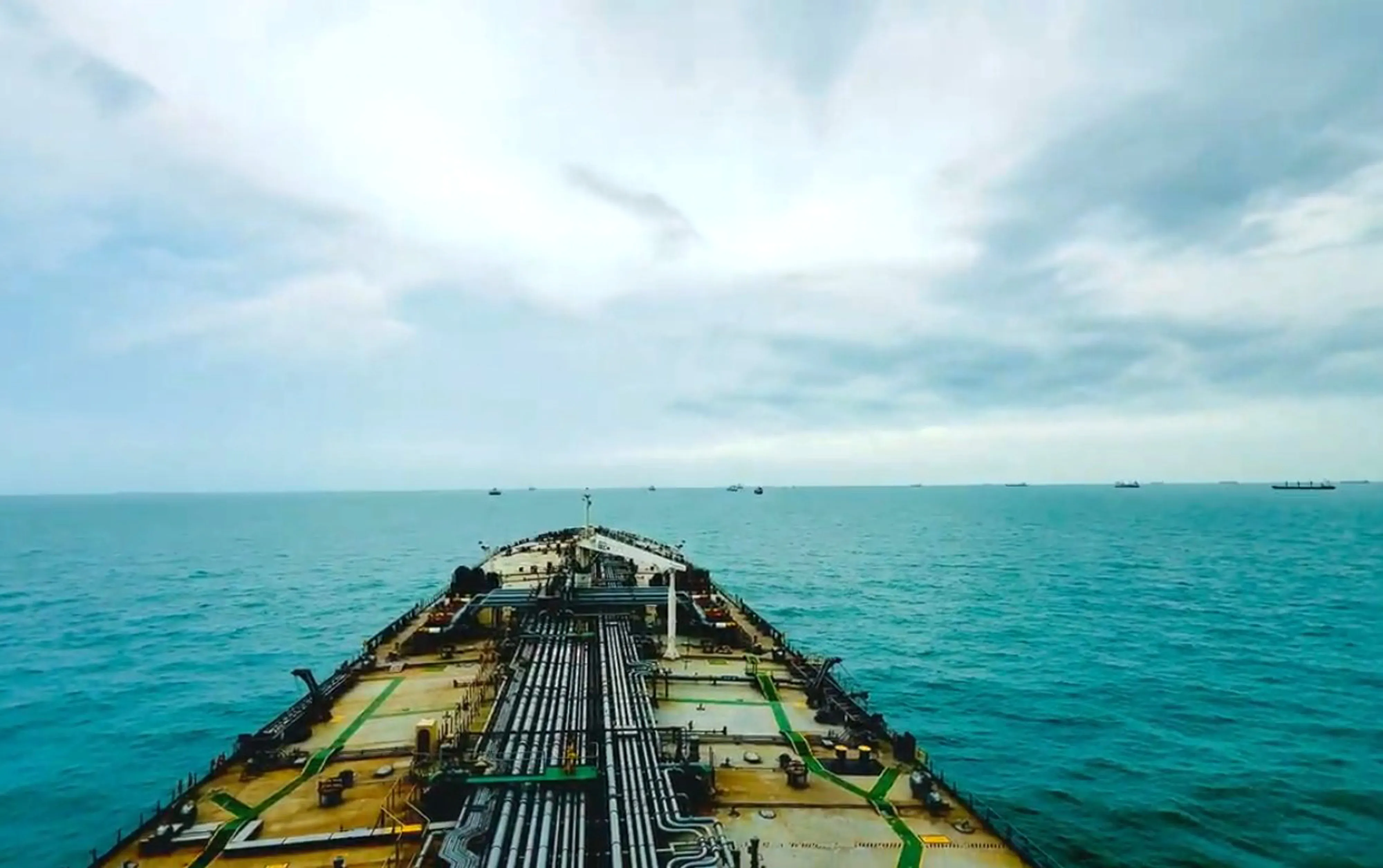
Life on a ship, especially one that is only 280 meters long and around 50 meters wide, is limiting. Sat phone time is precious and costly, leading crews to ration it. Some sailors manage to schedule one call home weekly, which often becomes the emotional highlight of their week after months at sea.
For some crew members, fishing has provided both entertainment and a food source. Bored sailors cast lines from the ship, and the catch often goes straight to the galley for dinner. Any extras are dried on deck under the sun. Many reported that the homemade dried fish turned out to be a surprisingly tasty alternative to their usual meals.
Captains encourage the crew to spend time together, ensuring no one is left alone during meals or leisure. Several sailors noted tighter control over knives and sharp tools, showing concerns for mental health as the uncertainty drags on.
“We strive to keep morale high on board—be professional, disciplined, and supportive,” Chopra stated. “But there’s a definite sense of stress and uncertainty after over a hundred days with no clarity on what will happen next.”
There have been chilling reminders of the war. Early on March 12, Kapoor’s crew was winding down when they witnessed flames engulfing another tanker, the Safesea Vishnu, just a mile away. The vessel had been hit by an unmanned craft during a naphtha transfer, resulting in one crew member's death.
Due to the surrounding congestion of vessels, Kapoor’s ship couldn’t leave the area. The crew took shelter in a designated safe area beneath their living quarters.