
A slight decrease in Iran's oil exports in January hides a strong ongoing illegal trade that is encountering stricter U.S. actions and fewer safe havens.
Iran's oil exports saw a small drop in January 2026, but this decline doesn’t provide much relief for those enforcing sanctions. Data from United Against Nuclear Iran (UANI) indicates that Iran exported around 46.9 million barrels of crude oil that month, averaging about 1.51 million barrels per day. This marks a decrease of roughly 3% from December, with total revenue estimated at just over $3 billion.
These figures do not suggest better compliance with international sanctions. Instead, they reflect the usual fluctuations in an illegal export system that has become well-established yet increasingly exposed. Iran's oil trade is heavily reliant on China, which received most of the shipments in January. Smaller amounts passed through the UAE and other non-transparent intermediaries, with Malaysia again acting as a key transshipment point.
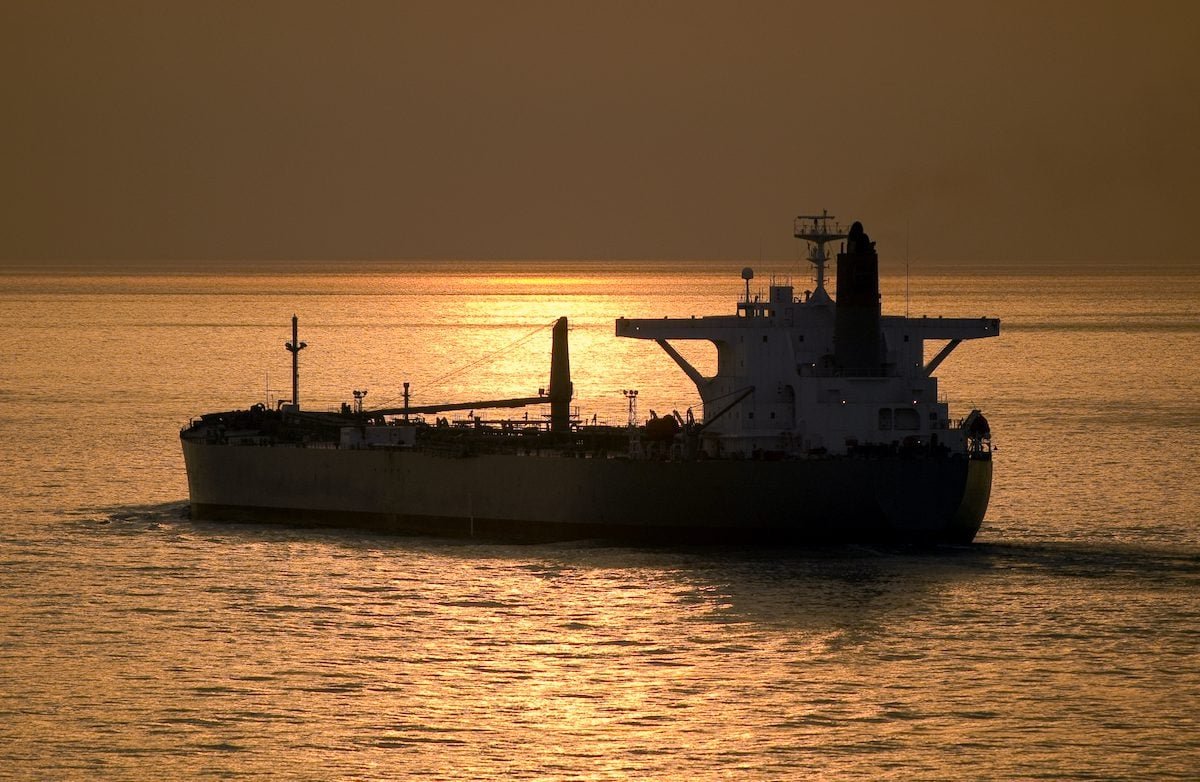
The current data reveals not a weakening of Iran’s ability to evade sanctions, but rather the strength of a mature "dark fleet" system. Old tankers with unclear ownership rely on tactics like AIS manipulation, frequent changes of flags, and lenient coastal laws to transport crude oil quietly across the globe. While these logistics are well-practiced, they also face growing risks as enforcement efforts intensify.
Recent U.S. moves against tankers linked to Venezuela send a clear message to the wider illegal shipping community. After detaining leaders in Venezuela and enforcing a maritime quarantine, U.S. authorities began taking strong actions against vessels trying to bypass restrictions, including boardings and seizures beyond just the Caribbean. Some of these measures took place near U.S. allies, including areas close to the UK, indicating a significant shift in enforcement strategy.
Charlie Brown, a Senior Advisor at UANI, noted, “Sanctions enforcement is becoming global. If dark fleet activities continue unchecked, Malaysia risks shifting from a transit point with plausible deniability to a primary target for sanctions related to Iran’s oil trade.”
The message to dark fleet operators is clear: geography is no longer a safe refuge. Practices like flag-hopping, last-minute re-registrations, or nominal ties to Russia provide less protection when vessels engage with the international system at ports, through insurers, classification societies, or allied maritime jurisdictions. This directly affects Iran, as many of the ships, managers, and brokers involved in moving Venezuelan crude are also crucial to Iranian export networks. Therefore, the minor dip in volumes in January may reflect increasing tension and caution within these interconnected illegal trades, rather than an actual reduction in activity.
While enforcement pressure has intensified across the Atlantic and into new regions, one area remains notably permissive: Malaysian waters. January 2026 witnessed record amounts of Iranian crude staged offshore near Johor, especially around the Eastern Outer Port Limits. At one point, about 60 dark fleet tankers loaded with Iranian oil were observed waiting in the area for ship-to-ship transfers. These cargoes were later consolidated and sent to China, primarily to independent “teapot” refineries willing to accept discounted barrels of uncertain origins.
The operational patterns are becoming more obvious. Long anchorage times, coordinated AIS gaps, quick vessel swaps, and complex ownership structures indicate a sophisticated laundering operation occurring quite visibly. As other routes become more dangerous, Malaysia has emerged as one of the last significant locations where Iranian oil can be mixed, renaming, and sent off with minimal disruption.
This growing concentration poses risks, not only for Iran’s customers but also for Malaysia itself. The ongoing tolerance of dark fleet activities puts local ports, service providers, and bunkering operations at risk of secondary sanctions, whether through direct involvement or unintended facilitation. Significant safety and environmental concerns also arise, as many of these tankers are old, poorly maintained, and insured through unclear or questionable arrangements. A collision or spill in the busy anchorage off Johor could have immediate regional impacts.
Geopolitical tensions add more complexity. The placement of a U.S. aircraft carrier in the Middle East, amid new protests and violent crackdowns inside Iran, shows a heightened readiness to deter or disrupt Iranian maritime activity. Historically, periods of internal instability combined with visible U.S. military presence have led to increased chances of sudden enforcement actions, rather than gradual declines caused by market dynamics.
Thus, January's export figures tell a more intricate story than just a simple month-on-month decline. Iran's oil trade remains robust, but it is becoming more concentrated, visible, and susceptible to disruption. As enforcement tightens elsewhere, pressure is mounting on the remaining permissive locations. Malaysia now has fewer options: to assert control over its waters or to risk becoming a focal point for international sanctions enforcement by others.