
By Weilun Soon and Alex Longley
Jun 3, 2026 (Bloomberg) – Some Greek oil tanker owners are moving their vessels closer to the Persian Gulf. They believe that if the Strait of Hormuz reopens, their ships could earn very high rates.
Capital Maritime & Trading Corp. has been relocating many of its tankers to a location within three to five days’ sailing of the Persian Gulf, near India and East Africa, according to the company’s backer, Evangelos Marinakis, who spoke at the TradeWinds Shipowners Forum in Athens on Tuesday. At least one other Greek owner is also repositioning some of their ships in a similar manner, as reported by a source familiar with the situation.
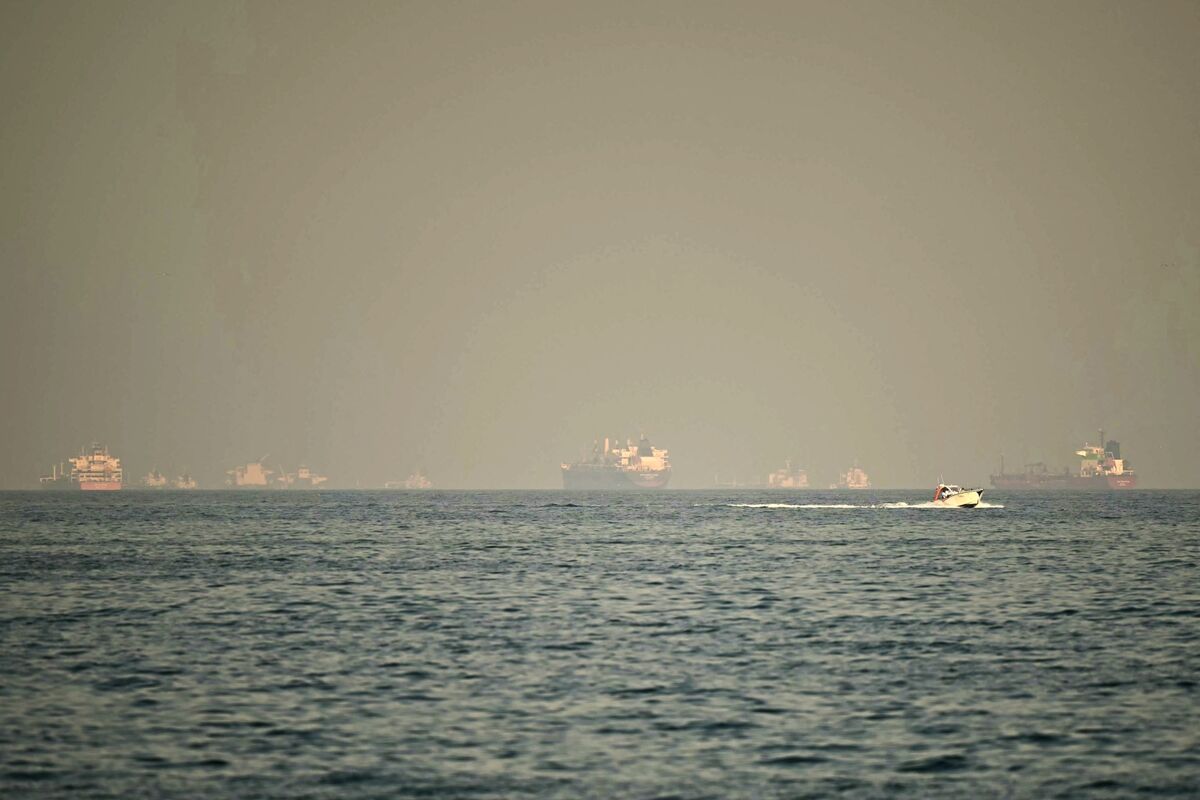
This strategic move highlights the potential for lucrative earnings if shipping through Hormuz resumes, despite the current lack of clarity on peace talks between the US and Iran. Any ship that can quickly enter the Persian Gulf after the conflict would be in high demand as producers rush to restart exports after months of disruption.
However, keeping ships near the Gulf without cargo does come with risks. The longer Hormuz stays closed, the more money the vessels are losing. In comparison, if these ships sailed to the U.S. Gulf, they could earn around $100,000 a day, which is an attractive rate for most tanker owners.
The timeline for restoring shipping through Hormuz remains uncertain. If a peace deal is reached, shipowners would still need guarantees that the strait is free of mines. Recently, Oman advised ships to be cautious following reports of a suspected mine found in its waters near Hormuz.
Since the war began, the approach to crossing the waterway has varied. While many owners are avoiding the area, some of the shipping industry's more daring operators have continued to navigate through. Recently, an increasing number of tankers have crossed with their signals turned off, silently supported by the US, while other vessels have passed through Iranian waters as part of government agreements that included toll payments.
Marinakis expressed his willingness to pay a toll rather than have the Strait closed, a viewpoint that contrasts with another major Greek owner who recently stated that tolls around Hormuz should not be accepted.
“In my opinion, even if we have to pay a fee, it's much better than having the Strait closed,” Marinakis said.
Additionally, some shipping companies owned by Middle Eastern oil producers have also positioned their ships in the Indian Ocean, out of necessity rather than for potential high profits. Saudi tanker giant Bahri has at least six supertankers that have been waiting for over a month, according to vessel tracking data from Bloomberg.
Frontline Plc, one of the world's largest supertanker owners, estimated last month that roughly 55 ships are currently waiting.