
By Sara Gharaibeh and Alex Longley
Jun 27, 2026 (Bloomberg) – A ship was attacked in the Strait of Hormuz, prompting naval authorities to raise the threat level for shipping in the area. This incident is another indication of growing tensions at one of the world's most crucial energy routes.
The UK Maritime Trade Operations center reported that a tanker was damaged when it was hit by an unknown projectile in Hormuz. Fortunately, the crew is safe, and there was no environmental damage. Additionally, the Joint Maritime Information Center, which connects navies with commercial shipping, elevated the threat level for vessels in the region to substantial due to recent attacks.
This strike marks the second attack on a merchant ship this week, heightening risks in a waterway that had been slowly reopening after a temporary peace deal was reached between the US and Iran earlier this month. Before this incident, ships had been moving through Hormuz using both the Iranian side and an Omani route recommended by Western navies, including earlier on the same day.
It is too soon to determine if the tanker attack affected later crossings, but millions of barrels of oil were already passing through Hormuz even before the US and Iran signed the interim agreement.
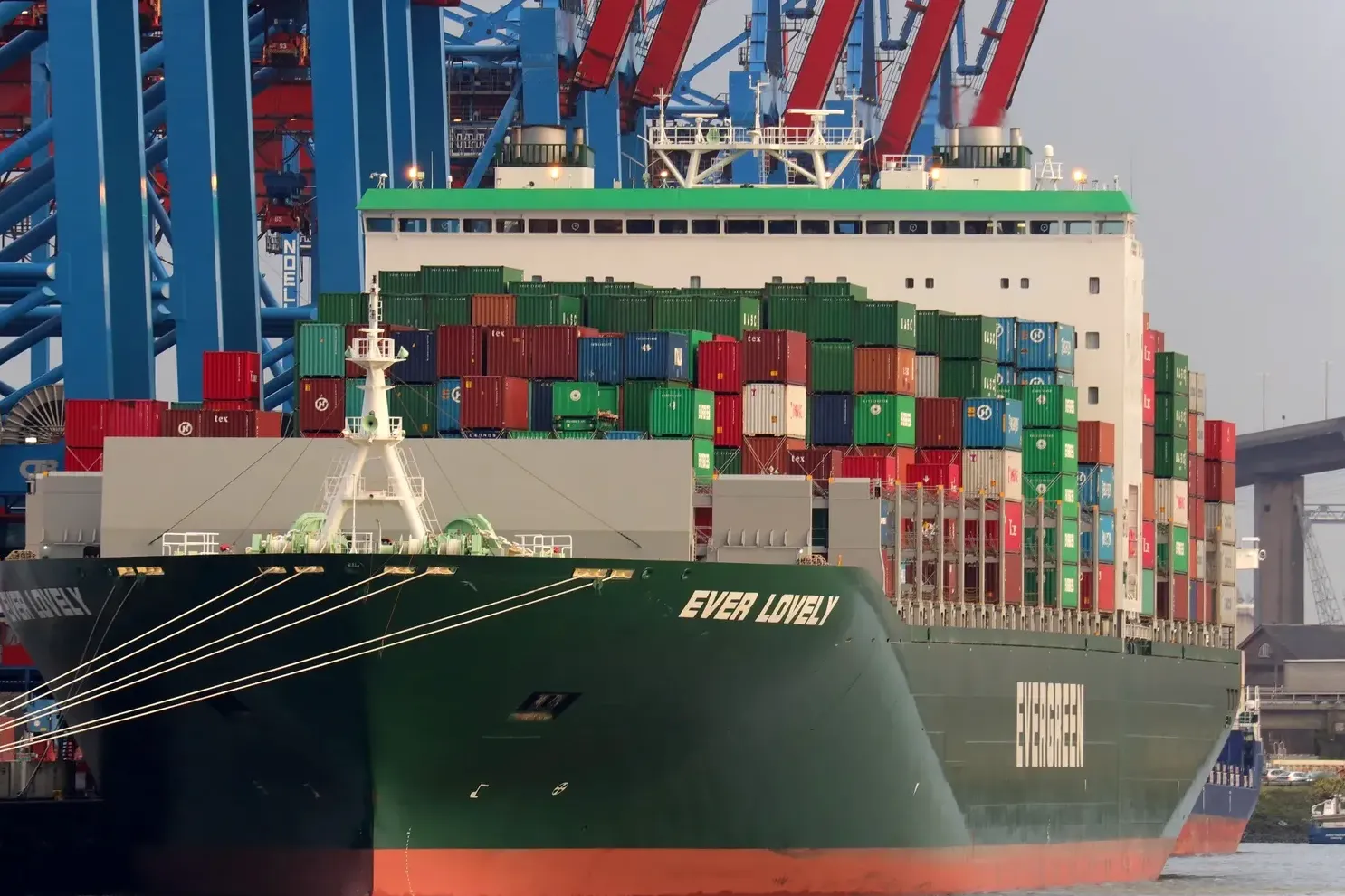
On Thursday, when a container ship named Ever Lovely was hit, the US responded with strikes against Iranian positions, citing aggressive actions against commercial shipping. In response, Iran claimed it attacked US assets in the area.
In its update on Saturday, the JMIC mentioned that the Omani route had been expanded to allow ships to travel in both directions at the same time. They also issued a warning about potential mines in the area, which covers much of the normal transit route. The International Maritime Organization cautioned on Friday that around 80 mines might have been planted in Hormuz.
The presence of explosives remains a major concern for shipowners. Under the agreement with the US, Iran is expected to take responsibility for removing any mines, but it is unclear how much progress has been made on this front.
Iranian authorities have warned that journeys outside of the country's designated transit routes are not allowed. Some vessels turned back earlier this week after receiving radio messages instructing them not to cross.
Oil flows through Hormuz have increased since US President Donald Trump signed the interim peace agreement with Iran last week, resulting in a significant drop in crude prices.
Although shipping traffic has risen since the peace deal was reached, it is still much lower than pre-war levels, and risks remain for vessels in the area.