
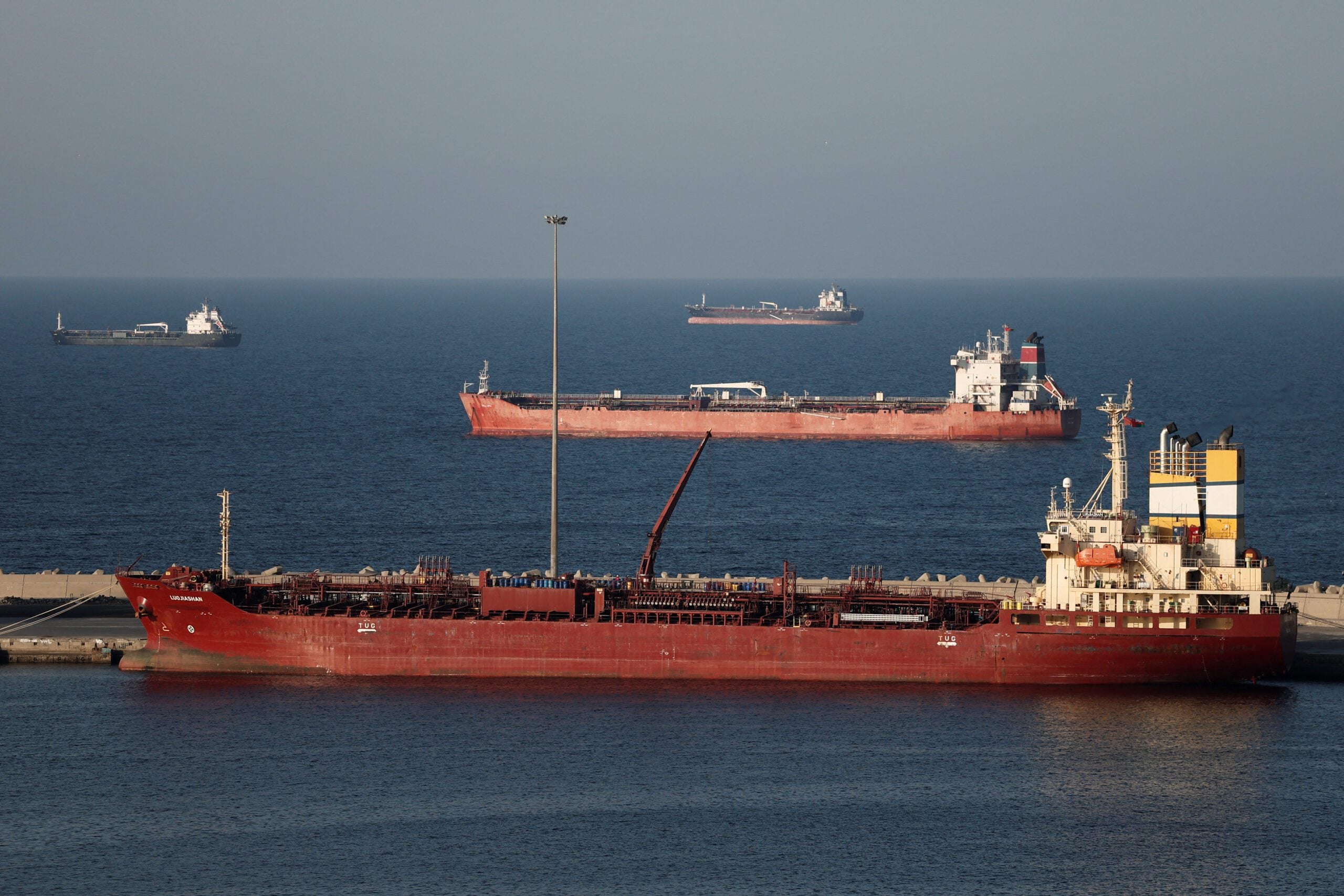
A fuel oil tanker chartered by QatarEnergy was hit by a missile in waters off Qatar, marking a serious increase in maritime attacks near a key LNG export area.
QatarEnergy confirmed that the tanker Aqua 1 was struck in the early hours of April 1 while operating in northern Qatari waters. Thankfully, no crew members were hurt and there has been no report of pollution.
According to UK Maritime Trade Operations (UKMTO), the tanker was hit by two projectiles about 17 nautical miles north of Ras Laffan. One projectile caused a fire that has now been extinguished, while the other remains unexploded in the engine room.
The Ministry of Defense of Qatar stated that this incident was part of a larger missile attack, reporting that three cruise missiles were launched towards the country from Iran. The ministry added that Qatari air defenses successfully intercepted two of the missiles, while one struck the tanker. All 21 crew members were safely evacuated with no casualties reported.
Previous missile attacks have damaged facilities at Ras Laffan Industrial City, which is the largest LNG export hub in the world. QatarEnergy mentioned that repairs could take years, and about 17% of its export capacity has been affected.
This incident is part of a recent wave of attacks, following a nine-day break. In the past 24 hours alone, at least three other vessels have been targeted in the Gulf.
This strike comes shortly after a drone attack on the Kuwaiti-flagged VLCC Al Salmi off Dubai, which was carrying over 2 million barrels of crude oil when it was attacked. That incident caused a fire but did not result in any injuries or pollution.
These consecutive attacks indicate a rise in tension after a brief pause and showcase a growing risk that extends from the UAE to the waters surrounding Qatar's LNG facilities.
The Aqua 1 is a medium-range tanker weighing around 48,000 deadweight tons, which is much smaller than the VLCC targeted off Dubai earlier this week.
The recent attacks come at a time when shipping traffic through the Strait of Hormuz is low. Data from Lloyd’s List Intelligence shows that daily cargo vessel transits dropped from about 120–140 ships in early February to nearly zero in early March. Although some traffic has resumed, it remains significantly below normal levels.
According to tanker-tracking experts at TankerTrackers, only 84 tankers left the Middle East via the Strait of Hormuz in March, averaging fewer than three per day.
UKMTO data points to a worrying trend, with 25 incidents reported affecting vessels across the Persian Gulf, Strait of Hormuz, and Gulf of Oman since the conflict escalated on February 28. This includes 16 confirmed attacks and nine reports of suspicious activities.
This latest missile strike highlights the ongoing vulnerability of energy shipping in the Gulf, even outside the narrow confines of the Strait of Hormuz, and raises new concerns for operators as attacks come closer to critical export sites.
With traffic already diminished and war-risk premiums high, the return of attacks after a brief hiatus could further reduce confidence in Gulf shipping and hinder any short-term recovery in the region.