
A tanker was hit by a projectile while passing through the Strait of Hormuz, showing the ongoing dangers to commercial shipping. This incident occurred despite President Donald Trump's declaration of victory in Iran and regional plans to ensure safe navigation in the waterway.
On Thursday, UK Maritime Trade Operations issued Warning 121-26 after local officials reported that a tanker was struck by an unknown projectile near Khasab, Oman, at 17:30 UTC on August 25.
The Joint Maritime Information Center (JMIC) identified the vessel as the AL SALAM II, which was heading east in the Strait when it was hit just above the waterline. The impact caused a small hole and ignited a fire that the crew managed to put out.
All crew members were safe, and there was no environmental damage reported. Tugboats were expected to assist the tanker.
The tanker later anchored about 0.8 nautical miles northwest of Jazirat Tawakkul, according to JMIC.
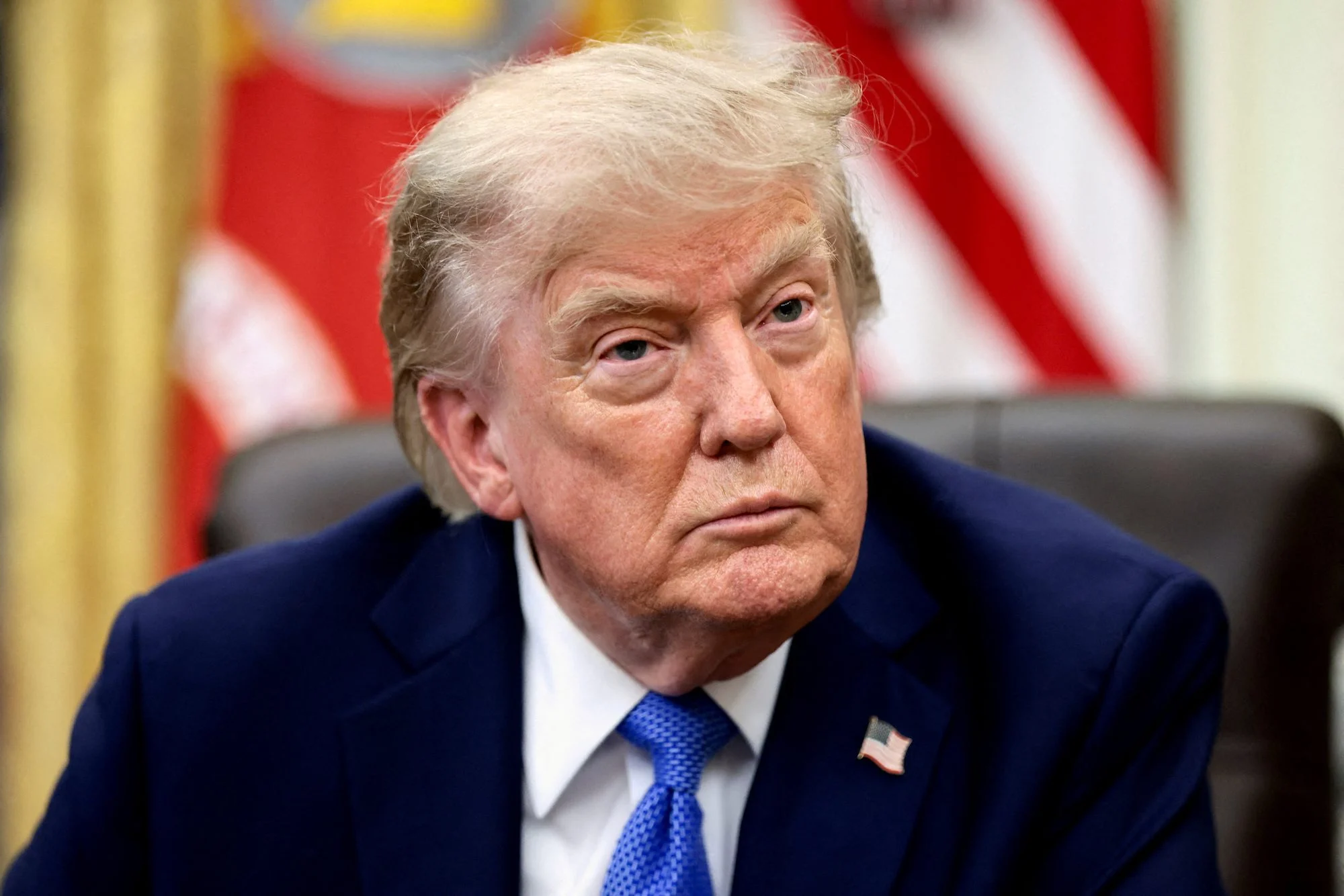
This attack comes after Trump shared an image on Truth Social declaring "MISSION ACCOMPLISHED 2026" for Iran on Wednesday, without providing further details.
This declaration followed Trump’s earlier statement on Tuesday, claiming the U.S. Navy had cleared all mines from international waters in the Strait of Hormuz.
However, JMIC warned on Thursday that there is still a risk from drifting or uncharted mines in and around the Strait’s Traffic Separation Scheme, indicating that mine danger areas are still active.
The latest report also emphasizes the importance of mine-risk reporting and states that mine clearance and surveying efforts continue throughout Hormuz.
Meanwhile, regional governments are working on a new plan to restore safe navigation through the Strait.
On Tuesday, Iran and Oman presented a phased proposal that includes creating a temporary joint navigation corridor through Hormuz and initiating a joint mine-clearing project. The two countries agreed to continue technical talks for establishing a permanent navigation corridor and better managing the Strait, including sharing information, traffic management, and providing navigational and security services.
This framework seems to implement the provisions from the U.S.-Iran memorandum of understanding signed in June, which encouraged Iran to discuss future maritime management and services in Hormuz with Oman.
These talks are now expanding to include other Gulf states.
Qatar and Iran discussed the proposed framework on Thursday during a visit by Qatari Prime Minister and Foreign Minister Sheikh Mohammed bin Abdulrahman Al Thani to Tehran. The discussions focused on the temporary Iran-Oman shipping corridor through Hormuz, which aims to restore navigation following six months of war and disruption to commercial shipping.
This diplomatic effort is taking place as traffic through Hormuz remains significantly below normal levels. JMIC reported the historical average at around 138 vessels per day in 2025. U.S. data showed 37 U.S.-facilitated transits on August 25 and 26, while tracking data indicates a continued decline in non-facilitated commercial traffic.
JMIC expects traffic to stay low in both the northern Iranian-controlled route and the southern Omani corridor due to the series of vessel attacks, ongoing U.S. blockade enforcement, and heightened regional tensions.
The attack on AL SALAM II highlights the challenges faced in restoring safe navigation in the area.