
HOUSTON, Oct 12 (Reuters) — There is a large excess of dense heavy crude oil in the Americas, which oil refiners prefer because of its usually low cost. High freight rates have limited exports, and US refiners are operating near their maximum capacity.
This saturation in North and South America is causing an unusual divide in the global oil market, as buyers in Asia and Europe deal with supply shortages, and benchmark prices remain above $100 a barrel.
Heavy crude, which is denser than other types of oil, is what many Asian, US, and some European refineries are set up to process. It is generally cheaper than light crude, providing refiners with better profit margins when shipping costs are reasonable.
“It’s all about freight,” said Scott Shelton, an energy expert at TP ICAP. He noted that Venezuela, the US, and Canada all produce more oil than they consume and depend on exports to Asia to balance their crude markets.
Despite high diesel prices in the US, these cheaper stranded barrels are not being bought up quickly in a diesel-short market. Heavy crude produces more diesel than lighter grades, but Gulf Coast refiners have already bought as much as they can handle according to analysts and traders.
Venezuelan exports have increased since the US captured former President Nicolas Maduro in January and began efforts to revive the country’s oil sector. Canadian oil production has also reached record levels, and Washington has released over 130 million barrels from its emergency reserves.
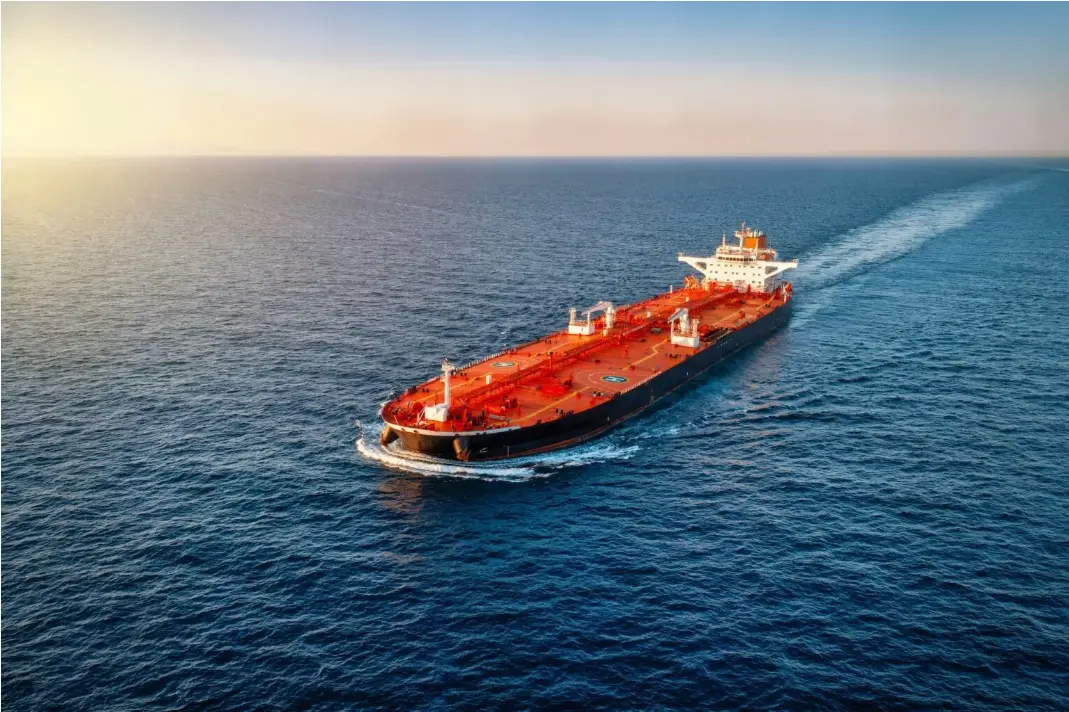
The cost of hiring a supertanker from the US Gulf Coast to Asia has increased more than five times since February, as ship-to-ship transfers in the Gulf of Oman are affecting availability of vessels globally.
“You need a ship, and the prices are rising while the availability is decreasing,” Shelton added.
Prices for Canadian, Colombian, and Ecuadorian heavy crude grades have all dropped more than $10 a barrel, reaching their lowest levels in six weeks, according to Argus Media. On Thursday, Western Canada Select was around $74 a barrel; Colombia's Vasconia was about $84; and Ecuador's Oriente was around $76. Venezuelan crude, excluding shipping costs, was trading around $74.50.
Shipping oil on a supertanker from the US Gulf Coast to Europe was estimated to cost approximately $46 million or $24.50 per barrel last week, including related expenses. This is a significant increase from about $6.5 million, or around $4 per barrel, prior to the Iran conflict that began in late February.
The shipping cost from the Americas to Asia has risen over $80 million, or about $40 a barrel, compared to around $10-15 million at the beginning of the year.
US REFINERS AT FULL CAPACITY
US refineries are currently operating at about 93.5% capacity on average this year, according to the Energy Information Administration. This is the highest level in 28 years, as they work to produce as much fuel as possible to take advantage of record high diesel prices. While these complex refineries are designed to handle heavier crude, there is still a limit to how much they can process relative to their total capacity.
“While Venezuelan and US emergency barrels have been factors for months, leading to near-max utilization of US coking capacity, high freight costs are now making it harder to ship these barrels east, leading to storage builds in the Americas,” Shelton explained. Cokers process residual crude oil into feedstocks for diesel and gasoline production, and using heavier crude requires running at higher capacities.
Many US refineries are also designed for offshore Gulf of Mexico crude like Mars Sour, rather than Canadian or Venezuelan oils that require mixing with lighter feedstocks.