
By Nicholas Lua
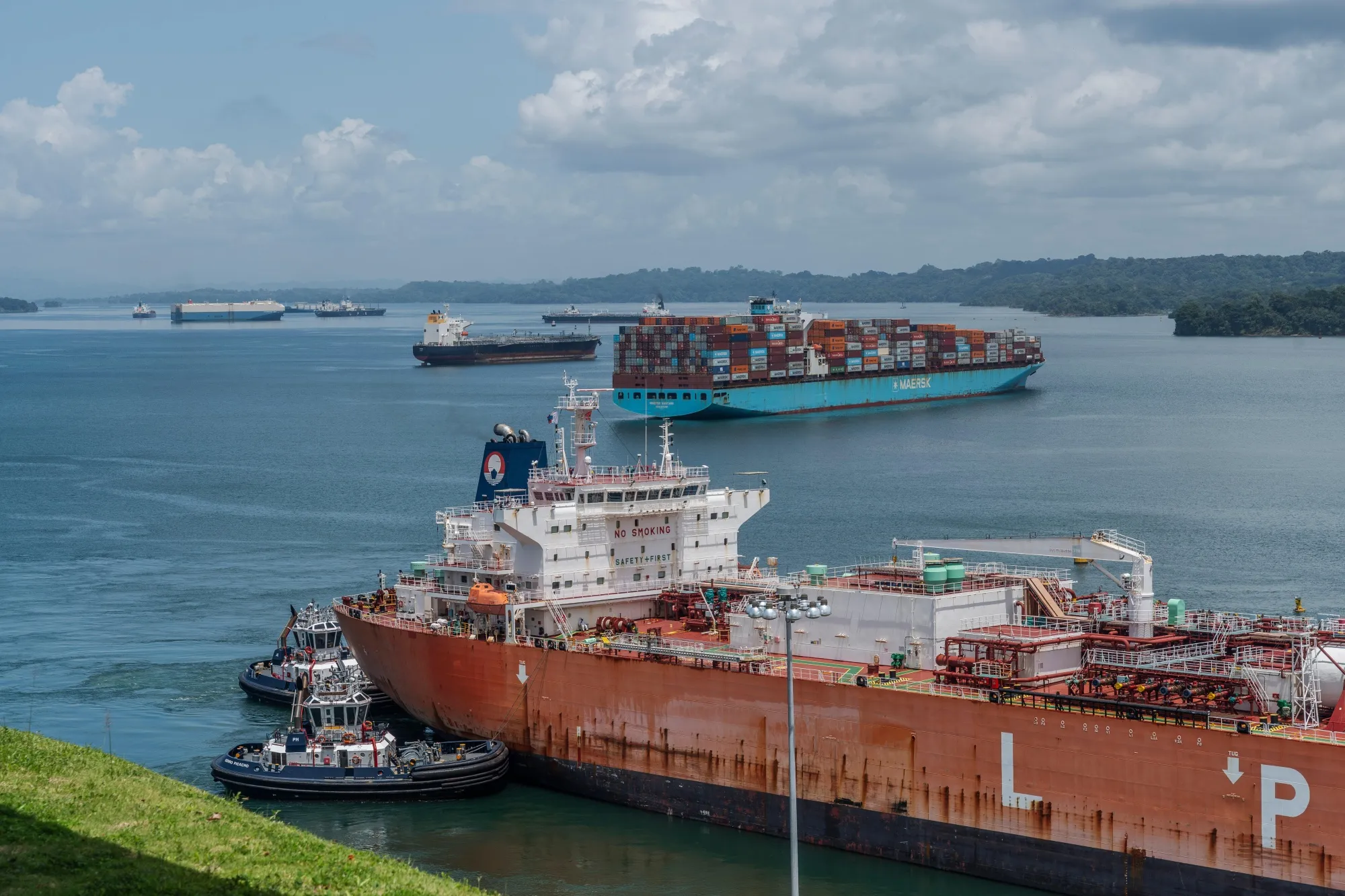
August 20, 2026 - Exporters like Chevron Corp. are now using ship-to-ship transfers to transport liquefied petroleum gas (LPG) from the US to Asia. This shift in strategy is happening as companies face congestion and high fees at the Panama Canal.
Typically, the trade from the Gulf Coast to Asia uses larger Neopanamax vessels. However, these ships are now facing rising costs to transit through the canal. In contrast, the costs for narrower Panamax tankers, which use a different set of locks, have remained relatively low, as noted by traders.
Chevron has chartered two Neopanamax tankers, the Fritzi N and the Pacific Yantai, to pick up LPG at the port of Balboa, located on Panama's Pacific coast. This LPG is expected to come from Panamax vessels that have already passed through the canal.
Once loaded, the Neopanamax vessels will transport the LPG, which is used as cooking gas and in manufacturing, across the Pacific Ocean.
This adjustment highlights how the market is adapting to maritime congestion caused by the war in Iran and the effects of an ongoing El Niño phenomenon. This weather pattern has led the Panama Canal Authority to limit the number of daily transits for September. The drought in Central America is affecting water levels in the canal, while the conflict in the Middle East has increased energy traffic from the US to Asia.
So far this year, about 60% of US LPG exports have gone to Asia, up from 55% for all of 2025, according to Kpler.
Ships that want to pass through the Panama Canal usually pay a flat fee by making a reservation. However, longer waiting times for larger vessels are prompting some shippers to pay extra to skip the queue.
The fee for a Neopanamax tanker arriving at the canal without a reservation and wishing to transit immediately hit an all-time high of $4.6 million last week.
Chevron has not commented on the situation. Anglo-Eastern Ship Management, managing the Fritzi N, did not respond to inquiries. SPDBFL No Two Hundred & Twenty-Two (Tianjin) Ship Leasing, the owner of the Pacific Yantai, also did not provide comments. Pacific Gas, the ship manager for the Pacific Yantai, declined to comment as well.