
By Weilun Soon and Alex Longley
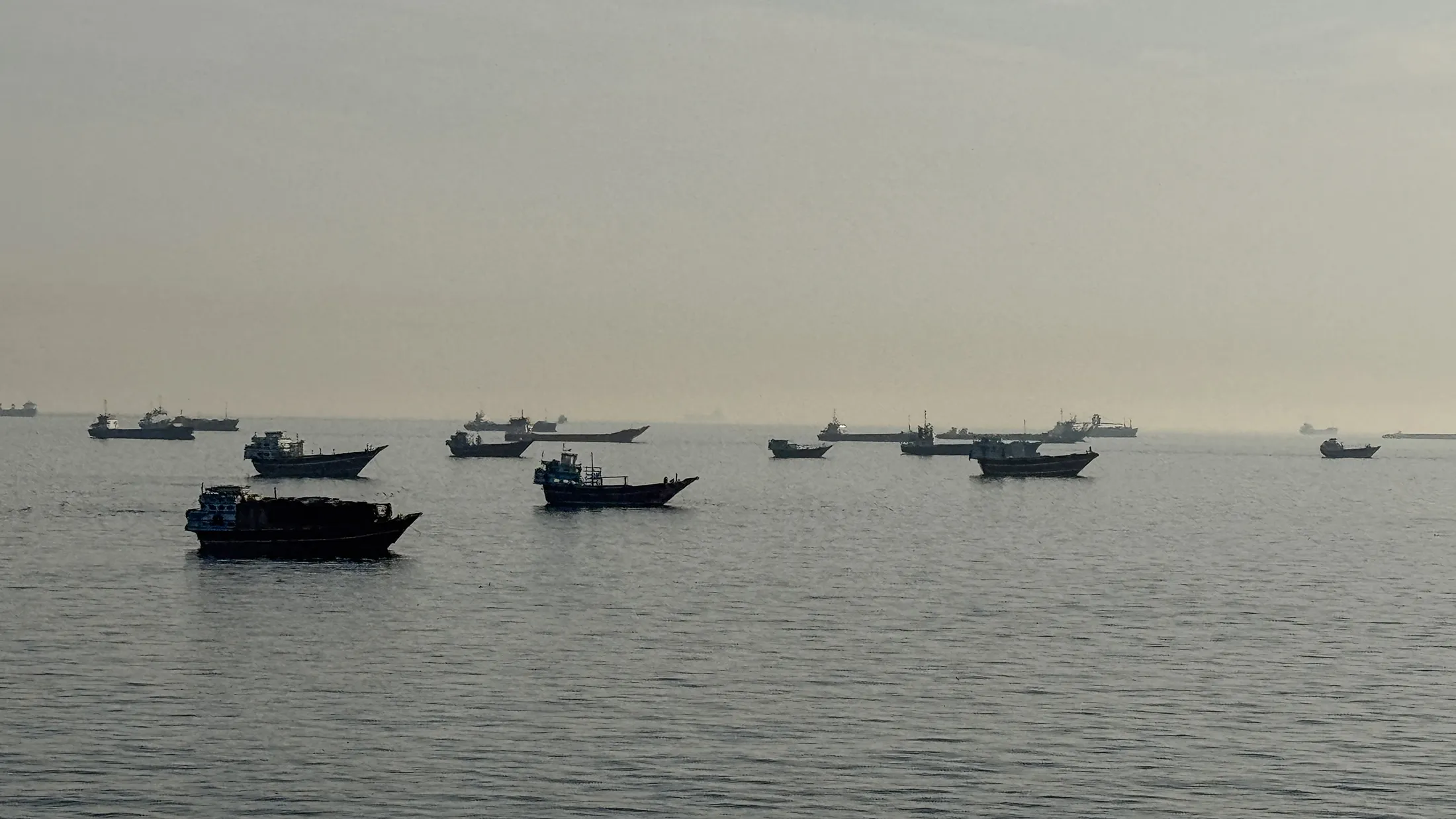
June 20, 2026 (Bloomberg) – Ships can now use the southern route through the Strait of Hormuz anytime, as long as their signals are on, according to a naval information group. This comes as energy traders and shipowners look for insights into the safe and swift return of traffic in Hormuz.
The Joint Maritime Information Center, which connects navies with commercial shipping, stated in an advisory that vessels do not need to coordinate with the US navy when passing through the strait along Oman’s coast. This differs from a recent statement by Iran, claiming that ships can only transit with permission from Tehran.
On Saturday morning, an oil supertanker was seen using the southern route with its satellite signals on. However, significant GPS spoofing and jamming in the region make it hard to confirm the accuracy of these signals. Two Chinese fuel tankers were also observed departing via the Iranian route.
Traffic through Hormuz, which used to handle 20% of the world’s oil before the conflict, increased on Thursday following a peace deal between the US and Iran. However, it declined the next day when uncertainties about safely opening the strait arose. Clearing up blocked supply could lead to a surge of trapped oil barrels hitting the market, and crude prices have dropped over 35% from their peak during the conflict.
“Mariners are advised that they can use the southern route both day and night with their AIS active, radars on, running lights illuminated, and standard VHF communication,” JMIC stated, referring to the automated identification system and very high frequency radio communications. “Coordination with NCAGS is not required. Ships can transit the southern route without coordination.”
However, ships should remain cautious of potential congestion and the risk of mines in the strait, JMIC added, anticipating that clearing operations will take place. Pakistan’s hydrographic service reported spotting a mine near Oman on Friday, although the US navy previously claimed that the southern route is free from mines.
The latest update from JMIC follows the US military’s advice earlier this week for vessels to transit Hormuz “dark,” meaning ships should turn off their transponders, as noted in an advisory seen by Bloomberg News.
While coordination with the US isn’t required for transit, the advisory suggested that vessels should contact the US navy for information on safe transit routes.
JMIC also downgraded its assessment of the security threat level in Hormuz to “moderate,” down from the previous “substantial” rating before the signing of the deal.