
(Bloomberg) —
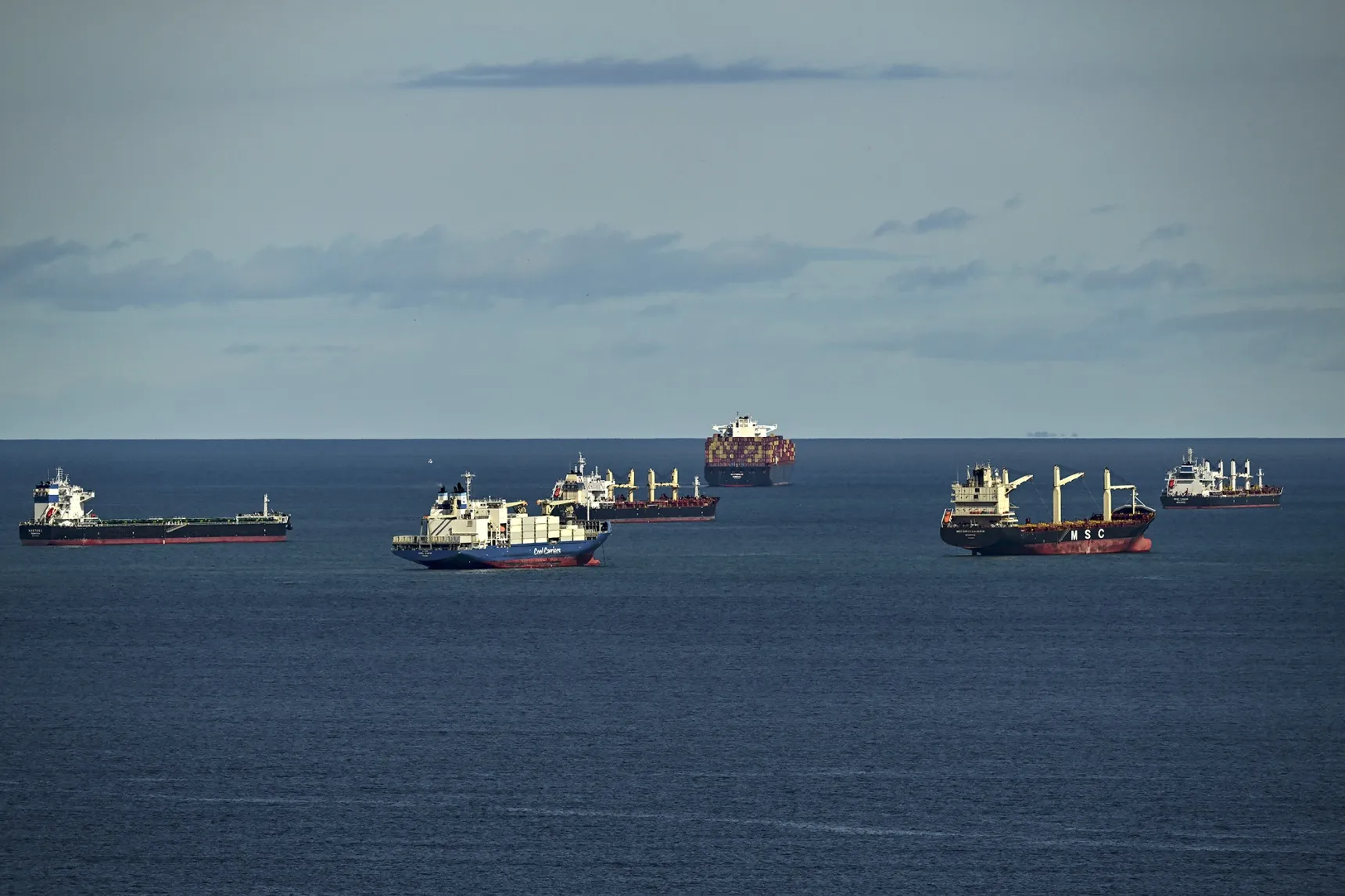
Maritime traffic in the Strait of Magellan increased by over 70% in both August and September compared to last year, according to data from the Chilean Navy obtained by Bloomberg. This surge is attributed to ships changing their routes from the drought-hit Panama Canal.
Due to lower water levels caused by insufficient rainfall related to El Niño, officials in the Panama Canal imposed restrictions on ship crossings. Additionally, disruptions in the Middle East have led some operators, shipping goods from South America and West Africa to Asia, to avoid the area and reroute through the Strait of Magellan, as noted by Bloomberg Intelligence analyst Kenneth Loh.
“The drought in Central America has definitely played a major role,” Loh stated. “This situation also forces many shipowners to pay high fees to skip waiting times. For vessels that want to avoid these transit restrictions, long lines, or expensive fees, taking the route via Magellan is a viable alternative.”
These changes illustrate how climate issues and geopolitical tensions at key maritime chokepoints are altering global trade routes, making alternative paths more crucial. While navigating the Strait of Magellan may increase distance and fuel costs, the lack of tolls provides shipowners with an attractive option when delays and costs rise elsewhere.
The rise in traffic, which started in July, also aligns with the winter months, during which heavy snowfall in the Andes has disrupted truck operations between Chile and Argentina, according to the latest data from the Punta Arenas Maritime Governor’s Office, which is part of the Chilean Navy. This upward trend is likely to continue as the cruise season approaches.
The increase was noted among vessels weighing between 60,000 and 65,000 gross register tons (GRT), although the Navy did not specify the types of vessels involved. The data reflects local pilotage statistics for the period from January 1, 2025, to September 24, 2026.