
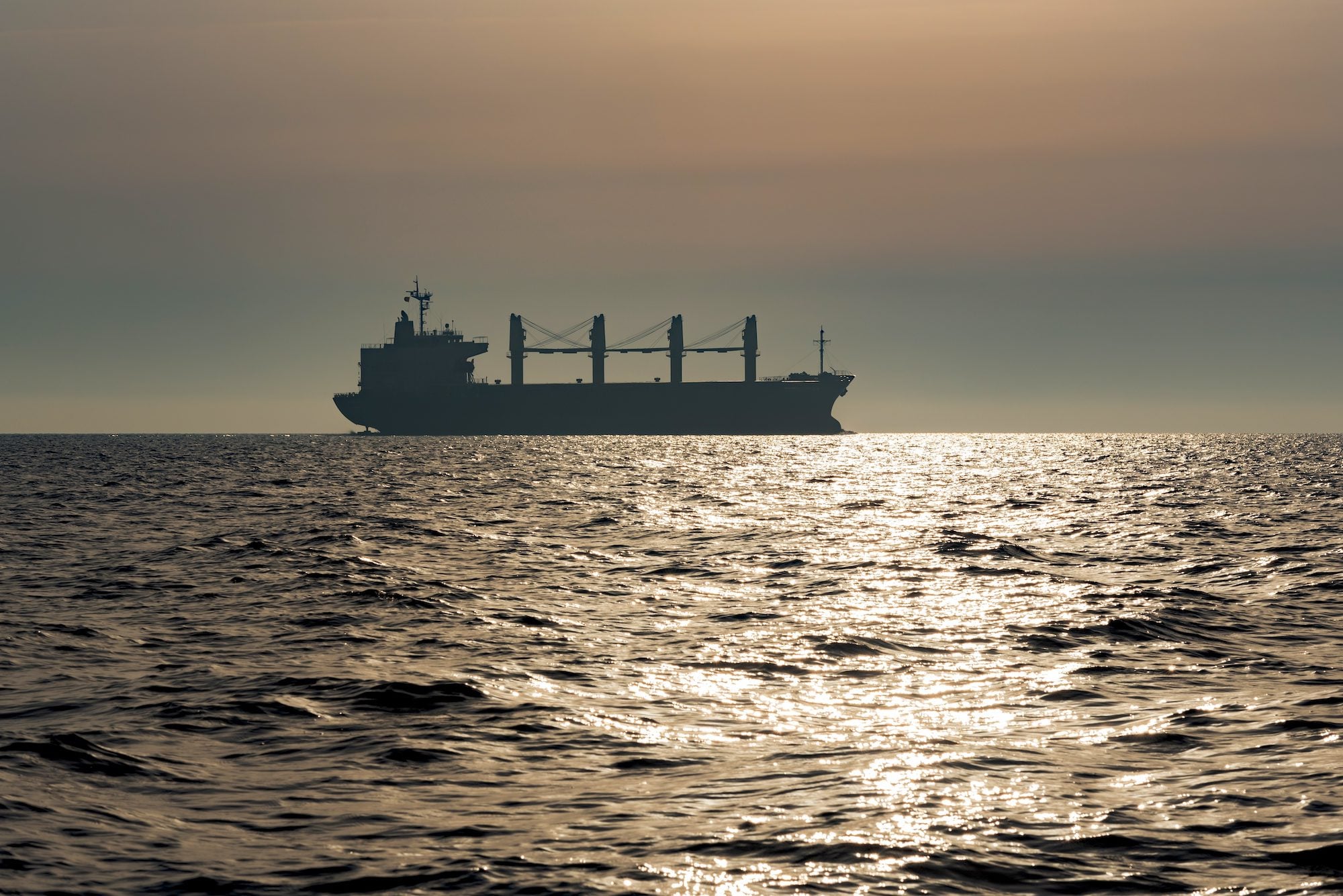
The global merchant fleet is getting older, and Allianz Commercial warns that this trend is increasing safety risks. Shipowners are finding it hard to update their fleets due to shortages in shipyards, geopolitical tensions, and growing regulatory requirements.
According to Allianz's Safety and Shipping Review 2026, the average age of the worldwide shipping fleet hit 23 years in 2025. Vessels older than 20 years now represent almost a quarter of the global containership fleet, which is the highest percentage we've seen in decades.
Allianz points out that the aging fleet is no longer just an operational issue—it is becoming a safety concern.
“Older ships can significantly increase safety risks at sea, with vessels over 20 years old responsible for more than half of all safety incidents,” Allianz stated.
They added, “As ships grow older, the chances of problems rise due to issues with structure, mechanics, and outdated technology, posing dangers for crews, cargo, and the environment.”
These findings come even though the overall safety record of the shipping industry has significantly improved in the last decade. Allianz reported that total vessel losses dropped by 37% over the past five years compared to the previous five-year period, thanks to better regulations, ship designs, and risk management practices.
Despite these improvements, Allianz notes that the current operating conditions make it harder for fleets to renew themselves.
“Ships that are 20 years or older now make up nearly a quarter of the global container ship fleet, the highest share in decades. Geopolitical instability and limited shipyard capacity are delaying fleet modernization, even as shipowners are pressured to retire older vessels and replace them with new, safer, and more efficient ships,” the report explained.
One factor contributing to this issue is the global shortage of shipbuilding capacity.
Shipyards are heavily occupied with orders for new container ships, LNG carriers, and tankers. Additionally, the demand for retrofitting ships to comply with stricter environmental regulations has made repair and construction spaces even more scarce.
At the same time, shipowners are facing uncertainty about future fuel options and emissions regulations. This uncertainty is causing some to delay new shipbuilding projects and continue operating existing vessels for extended periods.
The aging fleet is also leading to increased cases of machinery failures, as noted in the Allianz report.
In 2025, machinery damage or failure caused 1,505 reported shipping incidents—more than half of all maritime casualties globally—making it the leading cause of shipping-related accidents.
Allianz highlighted that machinery damage claims costs remain significantly above pre-pandemic levels due to labor shortages, high costs for spare parts, and longer repair times. Recent conflicts in the Middle East have further worsened these challenges by disrupting supply chains and driving up energy costs.
The report also mentions rising worries about the use of non-original equipment manufacturer (OEM) parts, as operators try to cut maintenance costs or deal with shortages.
“The growing use of non-OEM parts for repairs and maintenance, prompted by cost pressures and limited OEM availability, could increase the risk of power failures,” Allianz cautioned.
They referenced the 2024 Dali incident in Baltimore, where a power failure led to the ship colliding with the Francis Scott Key Bridge, illustrating how such failures can escalate quickly into serious accidents.
While Allianz anticipates that global trade volumes will keep increasing in the medium term, they believe shipowners will need to find a balance between expanding their fleets and ensuring safety and regulatory compliance in a more unpredictable operating environment.
“The shipping industry is unlikely to return to the relatively stable, efficiency-focused conditions that were common before the Covid-19 pandemic,” Allianz stated.
Instead, they predict that geopolitical fragmentation, limited shipyard capacity, and the shift toward lower-emission shipping will continue to influence fleet investment decisions for years to come.