
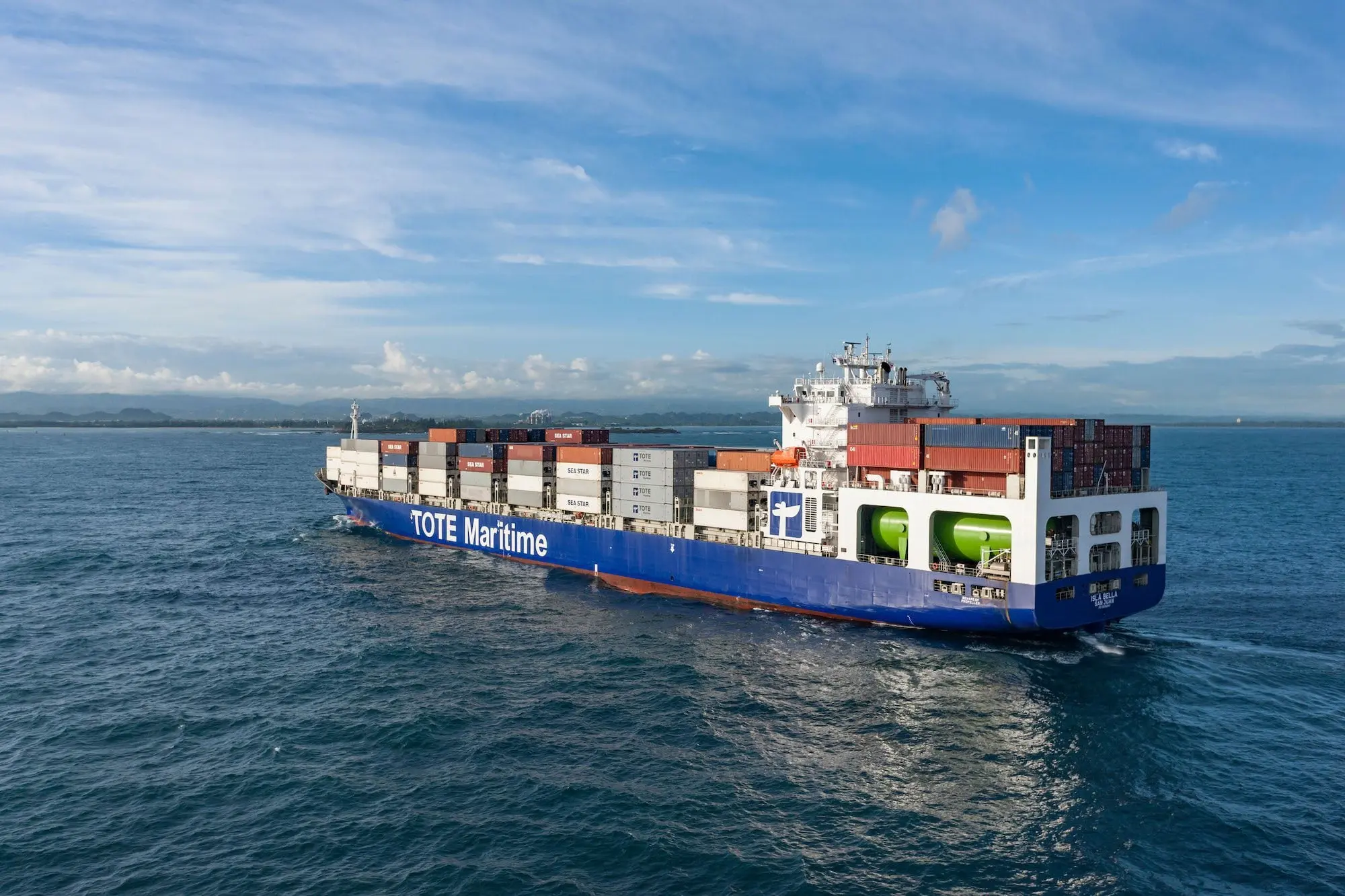
The global shipping industry is increasingly investing in alternative-fueled vessels. New data from the World Shipping Council shows that the total number of dual-fuel containerships and vehicle carriers has now exceeded 1,200, with both delivered and on order vessels.
As of March 2026, the industry’s latest Dual-Fuel Fleet Dashboard indicates that there are 440 dual-fuel ships currently operating, which is a 65% increase from the previous year. Additionally, there are 764 ships on order, making the total combined fleet 1,204 vessels with an investment of over $180 billion from the private sector.
These statistics demonstrate that container shipping is at the forefront of the maritime industry's shift towards alternative energy sources, despite ongoing concerns about future fuel options, the development of necessary infrastructure, and global emissions regulations.
The WSC reports that 78% of container ship orders are now capable of using dual-fuel, while for vehicle carriers, this figure rises to 94% of vessels on order that are designed for alternative fuels. In other sectors of the global shipping order book, only 17% of ships on order can use dual-fuel.
“These vessels are long-term investments designed for flexibility,” stated Joe Kramek. “The ships being built today will operate for decades, and having the ability to use various fuel types helps reduce risks, enhance energy security, and support more robust global supply chains.”
These updated figures reflect momentum that grew throughout 2025, as container shipping remained one of the few major sectors actively ordering alternative-fuel vessels, even while global ship contracting activity declined.
The industry is heavily investing in LNG-capable vessels, especially among container lines, although methanol-capable ships are also gaining popularity as carriers prepare for planned emissions rules from the International Maritime Organization and respond to demands from cargo owners to reduce supply-chain emissions.
The rise in dual-fuel orders coincides with increasing pressure on the shipping industry to reduce carbon emissions, even as there is significant uncertainty about which fuels will lead the industry's long-term shift away from traditional bunker fuel.
Many of the new vessels are set up to run on LNG or standard marine fuel initially but are also built to switch to renewable or low-carbon fuels as necessary infrastructure and fuel availability develop over the next few decades.
The data highlights a growing divide in the global shipping market. Liner operators and vehicle carriers are heavily investing in dual-fuel vessels, while other sectors like tankers and bulk carriers are being more cautious due to fluctuating freight markets, uncertain fuel costs, and unresolved regulatory issues.
For the time being, container shipping is clearly leading the way in large-scale investments aimed at decarbonizing the maritime industry.