
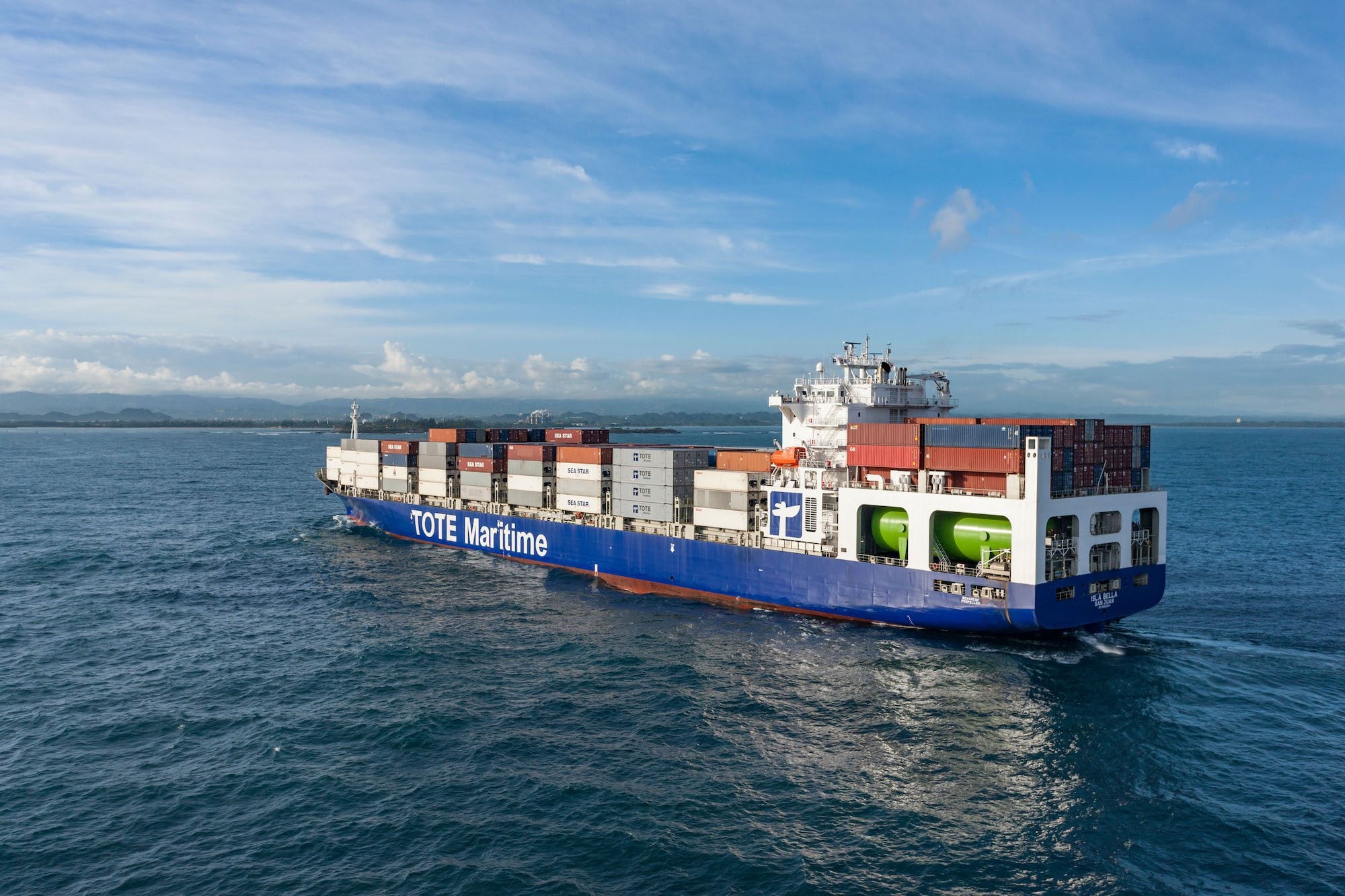
According to SEA-LNG, liquefied natural gas (LNG) is still leading the way in orders for alternatively fueled ships. At the same time, the production of biomethane and the development of bunkering infrastructure are growing as the shipping industry seeks effective ways to cut greenhouse gas emissions.
The coalition released its 2026 Mid-Year Market Review on Wednesday, showing that LNG dual-fuel vessels accounted for 73 newbuild orders in the first half of the year. This represents nearly 90% of all orders for alternatively fueled vessels tracked by the classification society DNV.
The report also emphasizes ongoing investments in bunkering infrastructure. There are currently 67 LNG bunker vessels operating worldwide, with an additional 42 on order.
Most LNG orders are for liner shipping, especially containerships and pure car and truck carriers (PCTCs). SEA-LNG referred to an analysis from the World Shipping Council, which indicates that LNG made up 58% of the container ship tonnage ordered, compared to just 36% for conventionally fueled vessels.
Fuel demand has been increasing in line with fleet growth. Data from Kpler, mentioned in the report, shows that global LNG bunker volumes averaged around 770,000 cubic meters per month from January to May 2026—about 13% higher than the same time last year due to more LNG-powered vessels coming into operation and favorable fuel economics.
The coalition also noted a rise in supplies of liquefied biomethane (LBM), or bio-LNG, which can be used in existing LNG-fueled ships. Information from the European Biogas Association indicates that European biomethane production capacity hit 8.2 billion cubic meters annually by the end of the second quarter, a 17% increase from a year ago. Additionally, the number of biogas plants in operation rose from 1,678 to 1,975 during the same period.
“Despite the geopolitical and regulatory challenges in 2026, the industry is keeping momentum towards the methane decarbonization pathway,” stated Steve Esau, SEA-LNG's chief operating officer. “This year’s mid-year review shows that methane is a practical and viable solution for decarbonizing shipping.”
This year marks the tenth anniversary of SEA-LNG, which also announced its provisional consultative status at the International Maritime Organization (IMO), allowing it to engage more directly in discussions about shipping decarbonization.
Chairman Peter Keller noted that the industry has seen significant growth since the founding of the coalition in 2016. SEA-LNG reports that the number of LNG-fueled vessels either in operation or on order has jumped from 81 to over 1,550 in the past decade. LNG bunker vessels have increased from nine to 109, and the number of ports offering LNG bunkering has grown from 10 to 222 globally.
This report comes amid ongoing discussions about the long-term role of LNG in maritime decarbonization. Supporters argue that LNG offers an immediate path towards transitioning to lower-carbon fuels, such as biomethane and synthetic e-methane, using current engines and infrastructure. However, critics point out that methane slip and emissions upstream might lessen the climate benefits of LNG compared to zero-emission fuels like ammonia or hydrogen in the long run.