
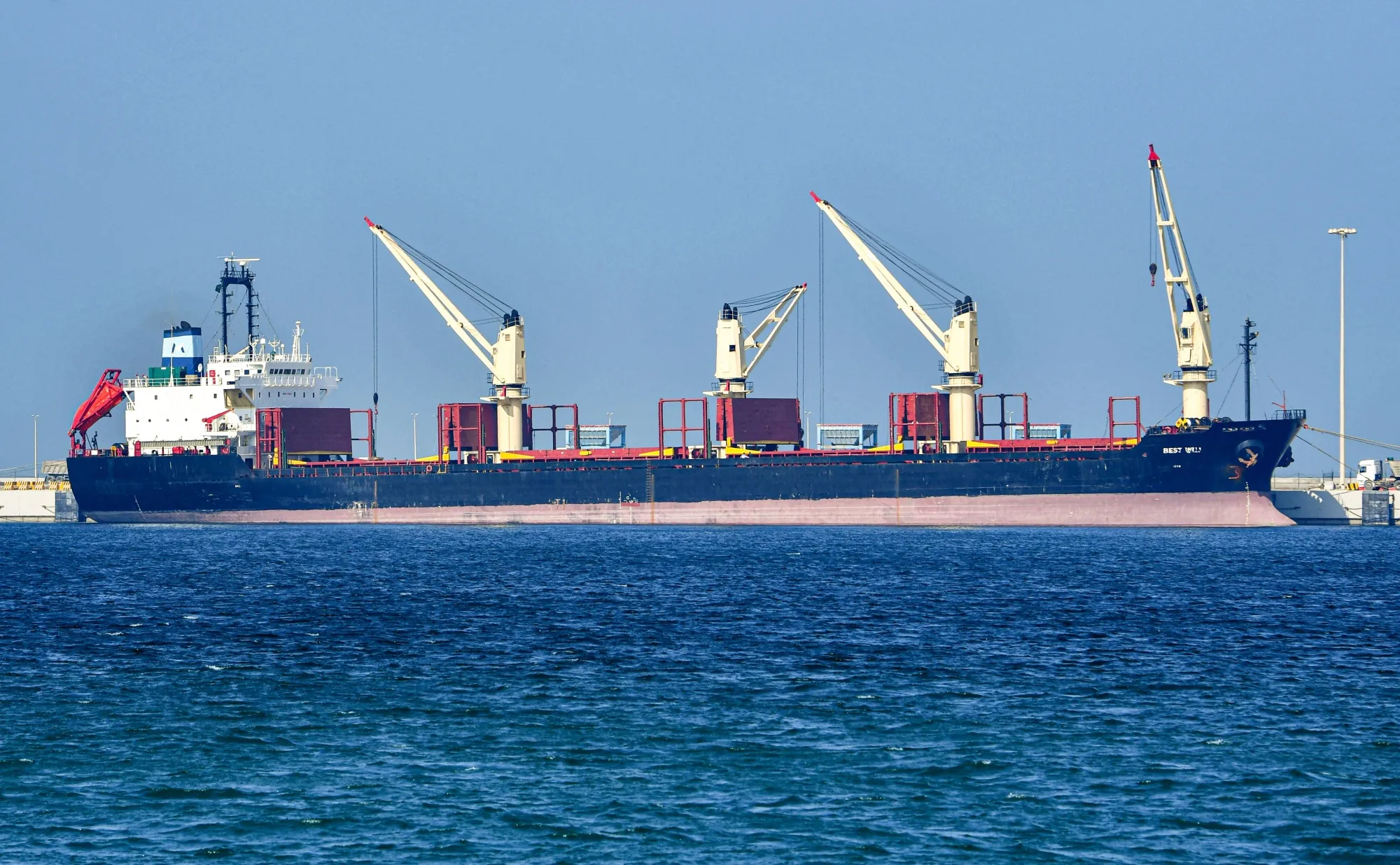
(Bloomberg) - In August, Saudi Arabia's crude oil exports fell to their lowest level in nearly nine years, following attacks on tankers amid rising tensions in the Middle East.
According to tanker-tracking data from Bloomberg, Vortexa, and Kpler, the kingdom exported about 3 million barrels per day last month. This figure, the lowest since records began in early 2017, aligns with what crude traders and an insider on Saudi operations have reported.
Saudi ships have faced attacks in the Red Sea from Yemen’s Houthi militants, which threaten shipments on a route the kingdom has relied on to avoid the heavily contested Strait of Hormuz. Recently, two more tankers carrying Saudi crude were struck by projectiles in this strait during ongoing hostilities between the U.S. and Iran. One of the targeted vessels belonged to the country’s shipping company, Bahri, which reported the deaths of two crew members.
These ongoing attacks are making Saudi Arabia's customers hesitant to use the kingdom's Red Sea ports. As a result, Riyadh is considering alternative shipping routes that involve a longer path around Africa, adding thousands of miles to transit times and worsening already strained global supply chains impacted by six months of conflict in the region.
After the war broke out in late February and Iran effectively closed the Strait of Hormuz, Saudi Arabia quickly shifted its oil exports to the Red Sea coast. These shipments helped to prevent a sharp rise in oil prices and protected economies from escalating inflation. Exports through the west coast port of Yanbu rose to around 4.3 million barrels per day in June, compared to about 770,000 barrels per day in January, according to the tracking data.
However, in July, exports decreased to 3.7 million barrels per day after the Houthis announced a blockade on Saudi shipping, and further fell to about 2.25 million barrels per day last month. Exports through the Persian Gulf, which had slightly rebounded to around 800,000 barrels in July, dropped again in August.
It's important to note that the latest monthly figures are provisional and may change as more hidden transits and ship-to-ship transfers are detected. Saudi Aramco did not provide comments on the figures, and the energy ministry did not respond to requests for information.
This decline poses challenges for both the kingdom and global markets. Last month, there were indications that oil loadings were starting to rise from the large Ras Tanura terminal on the Persian Gulf coast, with satellite imagery capturing four tankers loaded at that location. This added to supplies coming from Iraq and Kuwait, while the UAE successfully transported cargoes through the Strait of Hormuz.
However, tensions in the region have escalated this week, following U.S. attacks on military targets in Iran and the subsequent Iranian response of firing projectiles at Gulf states with U.S. bases. This contributed to crude oil prices in London rising above $95 a barrel, the highest level since late July, raising concerns about inflation and potential interest rate hikes.