
By Salma El Wardany and Grant Smith
Oct 12, 2026 – Saudi Arabia is exploring options to boost its oil pipeline capacity to transport up to 10 million barrels a day to markets outside the Persian Gulf within the next two to three years, according to Energy Minister Prince Abdulaziz bin Salman.
In response to frequent Houthi attacks on its energy and aviation sectors, the kingdom aims to strengthen its operations. Plans include upgrades to the pumping stations on the East-West pipeline, which has been a vital route for exports since the onset of the US-Iran conflict, as well as adapting a gas pipeline to carry crude oil, the minister noted.
As of October 6, the East-West pipeline was moving 5.8 million barrels a day, having resumed its operations after a drone attack in September. This pipeline plays a crucial role in exporting crude from the Yanbu port on the Red Sea and supplying refineries on Saudi Arabia’s west coast.
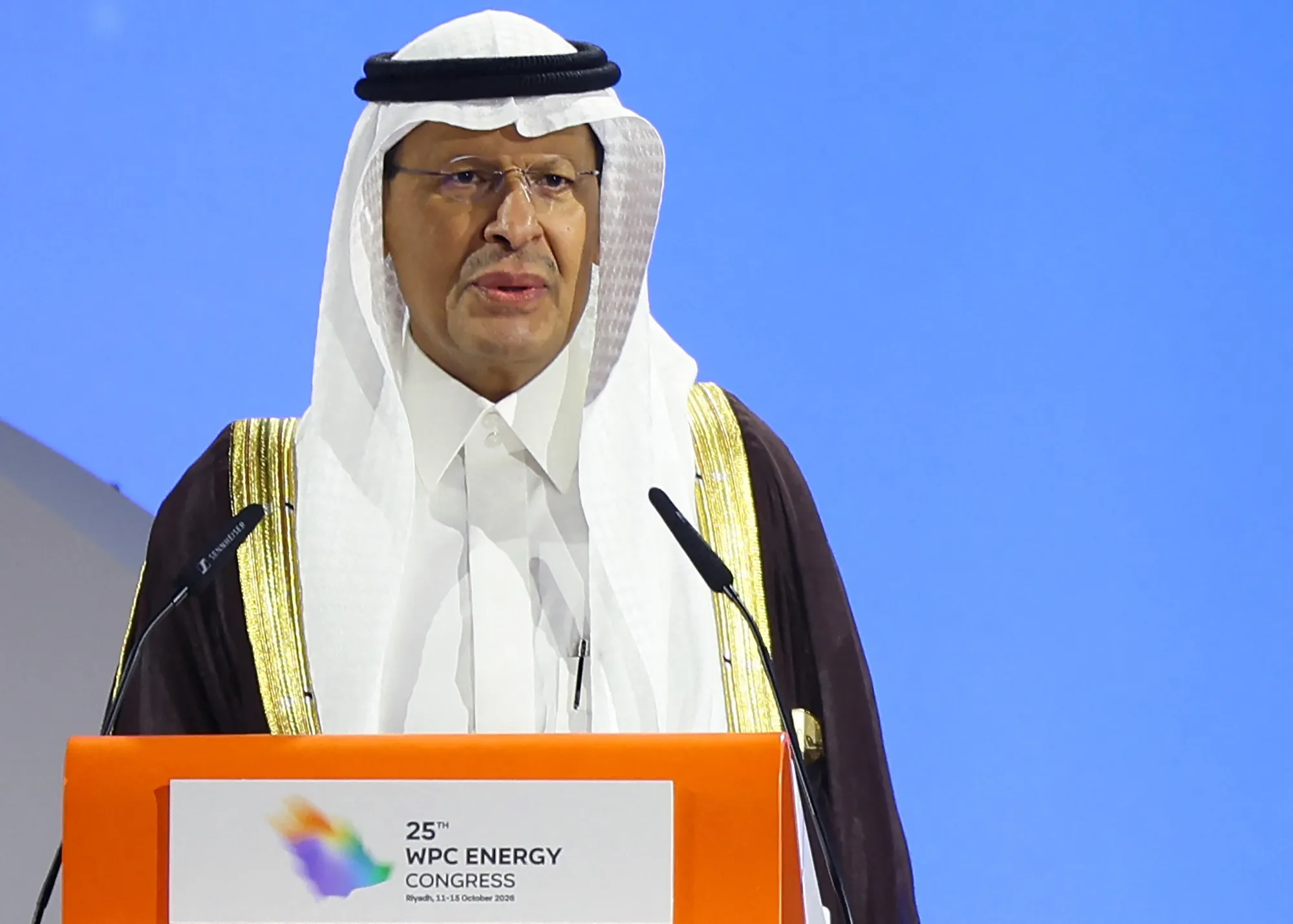
“We could potentially reach 10 million barrels per day in the next two to three years,” he stated during the WPC Energy Congress in Riyadh on Monday. “We are enhancing the pump stations on the East-West pipeline.”
The modified gas pipeline is expected to be able to transport about 1.2 million barrels per day of crude within the next seven to eight weeks, and further investments could increase capacity to 3 million barrels, according to the minister.
This initial setup will be temporary. Prince Abdulaziz mentioned that he informed Saudi Aramco CEO Amin Nasser that the pipeline could carry oil until May, after which it would need maintenance before being used for domestic gas supplies during the summer months.
The kingdom is collaborating with Aramco to create a dual-use capability, adding pumping stations and compressors to allow the pipeline to transport either oil or gas depending on the situation, he added.
The minister also emphasized the East-West pipeline's importance during the current crisis, stating that its operation has more than compensated for its costs. This route links Saudi Arabia’s oil-rich eastern region with the Red Sea, offering an alternative to exporting crude through the Strait of Hormuz.