
October 22, 2026 – Saudi Arabia is negotiating with other countries to allow its state-owned oil company, Aramco, access to their strategic oil storage. This initiative aims to strengthen the country's ability to provide reliable oil supplies, especially during times of disruption, according to CEO Amin Nasser.
These discussions come in response to recent attacks by Yemen’s Houthis on crucial Saudi infrastructure. In September, drone strikes forced the shutdown of a major pipeline for several days. Additionally, two people were killed in separate attacks on Aramco’s Shaybah oil field and Dammam airport, as reported by Saudi officials.
As a result of these events, the price of Brent crude oil rose above $112 a barrel on Thursday, raising worries about potential further interruptions in Saudi supplies.
Nasser explained in an interview with Al Arabiya that the available commercial storage options through partners are limited. He emphasized that the real capacity lies in government-owned strategic storage. He stated, “The Ministry of Energy is working with its counterparts in other countries to make strategic storage available for Aramco.”
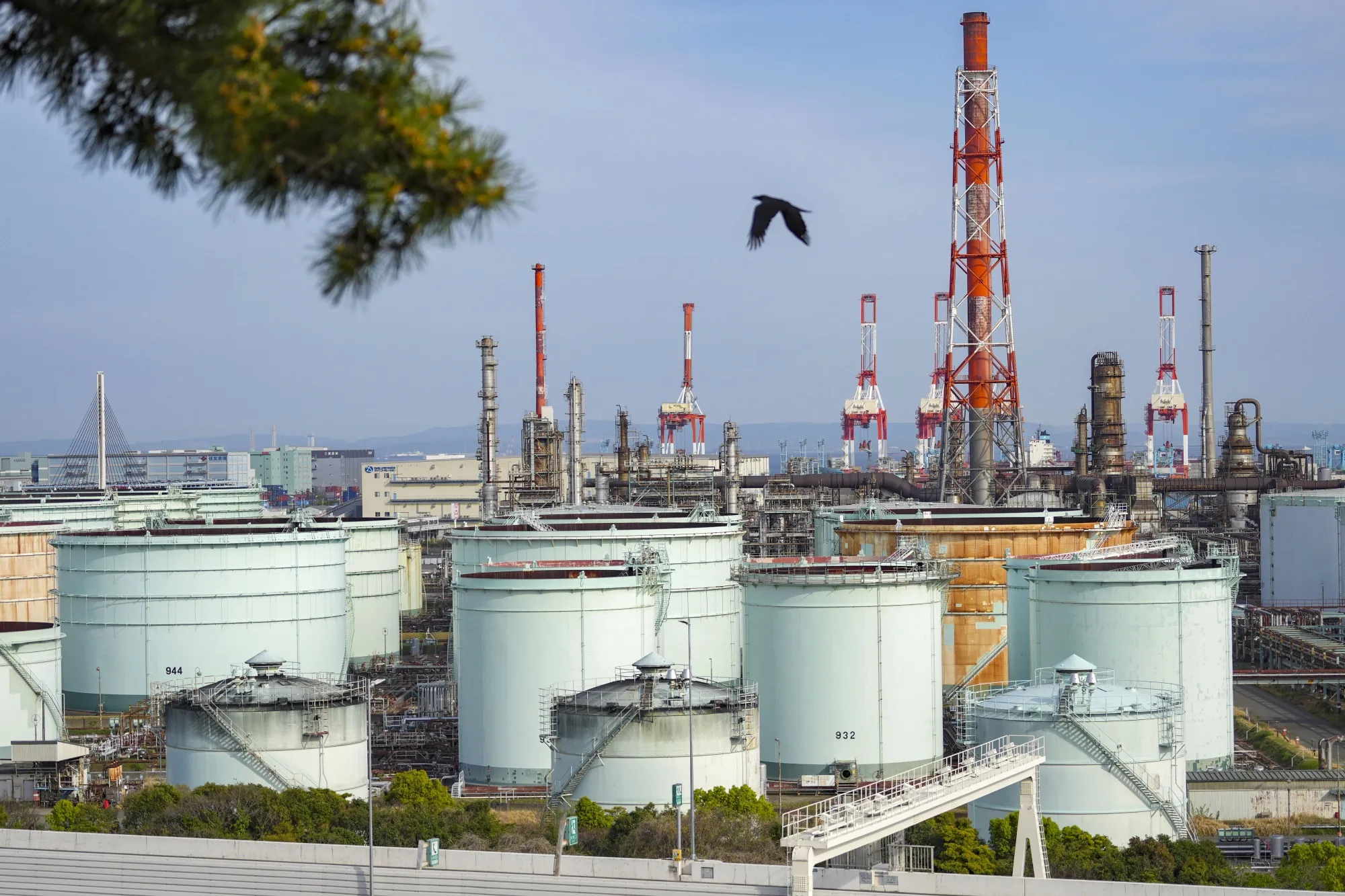
Currently, Aramco holds commercial oil storage in several countries, including South Korea, Japan, the Netherlands, and the Mediterranean export hub of Sidi Kerir in Egypt. Nasser noted that while these overseas inventories have been maintained for years, efforts are underway to expand them, particularly in Asia.
Aramco aims to double its storage capacity abroad, although Nasser did not specify a timeline or current storage levels.
This effort is part of a larger strategy to enhance Saudi Arabia's infrastructure and export capabilities amid regional tensions. Aramco's current main export routes include the Strait of Hormuz, the Red Sea, Bab el-Mandeb, and Sidi Kerir on the Mediterranean.
Due to the ongoing conflict, the company has begun engineering studies to boost its capacity to transport crude from the Persian Gulf to the Red Sea, increasing it from 7 million barrels a day to 10 million. Nasser noted that work on alternative routes is also in progress.
“We did not wait for the crisis to end,” Nasser stated. He added that building resilience involves “decades of investment and preparation.”