
By Julian Lee
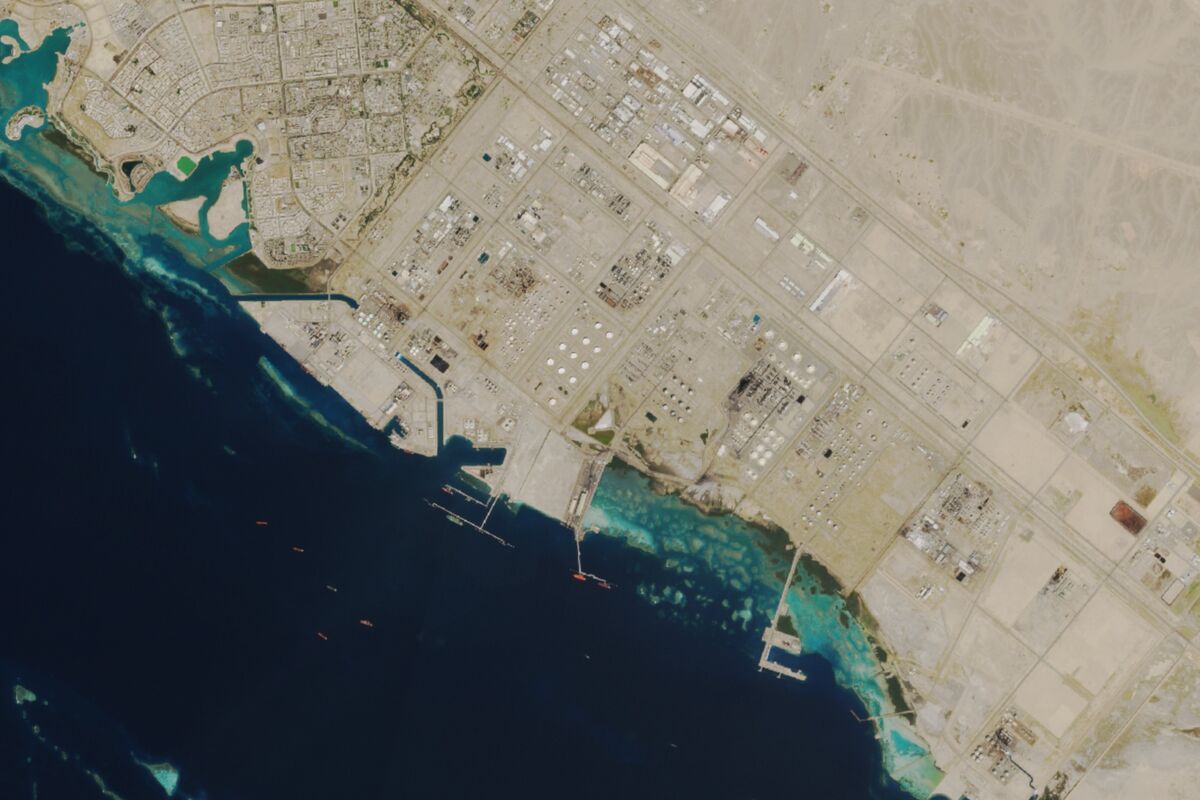
April 10, 2026 – Saudi Arabia is maintaining its oil exports through the Red Sea, even after a recent drone attack on an important pipeline. The full impact of the attack has not yet affected the export levels.
The attack occurred on Wednesday, shortly after a ceasefire was announced in the conflict with Iran. It damaged one of the 11 pumping stations along a 746-mile (1,200-kilometer) pipeline that runs from oil fields in the east to the Red Sea coast in the west. This incident has cut the pipeline’s output by 700,000 barrels per day, as reported by the Saudi Press Agency on Thursday.
However, the effects on oil exports from the Yanbu terminals will take time to manifest. Because of the speed at which oil flows through the pipeline, it will likely take several days for the reduced output to affect the volume of crude oil reaching the Red Sea port.
Since the end of February, Saudi Arabia has increased its crude shipments from the Red Sea terminals to around 4 million barrels per day. This increase has helped offset the near shutdown of the Strait of Hormuz. Export levels are currently steady at this amount, according to tanker tracking data from Bloomberg.
If oil volumes to the Red Sea port do start to decline, Saudi Arabia might choose to maintain export levels by cutting back the amount of oil supplied to local refineries, power plants, and water desalination facilities that are also connected to this pipeline.
The pipeline can transport 7 million barrels per day and is the only significant alternative to tankers going through Hormuz. Keeping it operational is crucial for delivering at least some Persian Gulf crude oil to global markets. The kingdom consumes about 2 million barrels per day domestically, leaving about 5 million available for export.