
December 23, 2025 (Bloomberg) — Since the Trump administration stepped up its efforts to limit Venezuela's oil revenue by targeting sanctioned ships, more than a dozen tankers have been loading oil off the Venezuelan coast.
According to maritime intelligence company Kpler, around 14 vessels have loaded oil since December 11, with at least six of them being sanctioned. Most of the loading has occurred at the Bajo Grande and Puerto Jose ports.
Despite rising tensions, the loading activities are still happening at a relatively normal pace. President Donald Trump has sent a fleet of warships to the coast of Venezuela and initiated a naval blockade to prevent sanctioned vessels from entering or leaving the country.
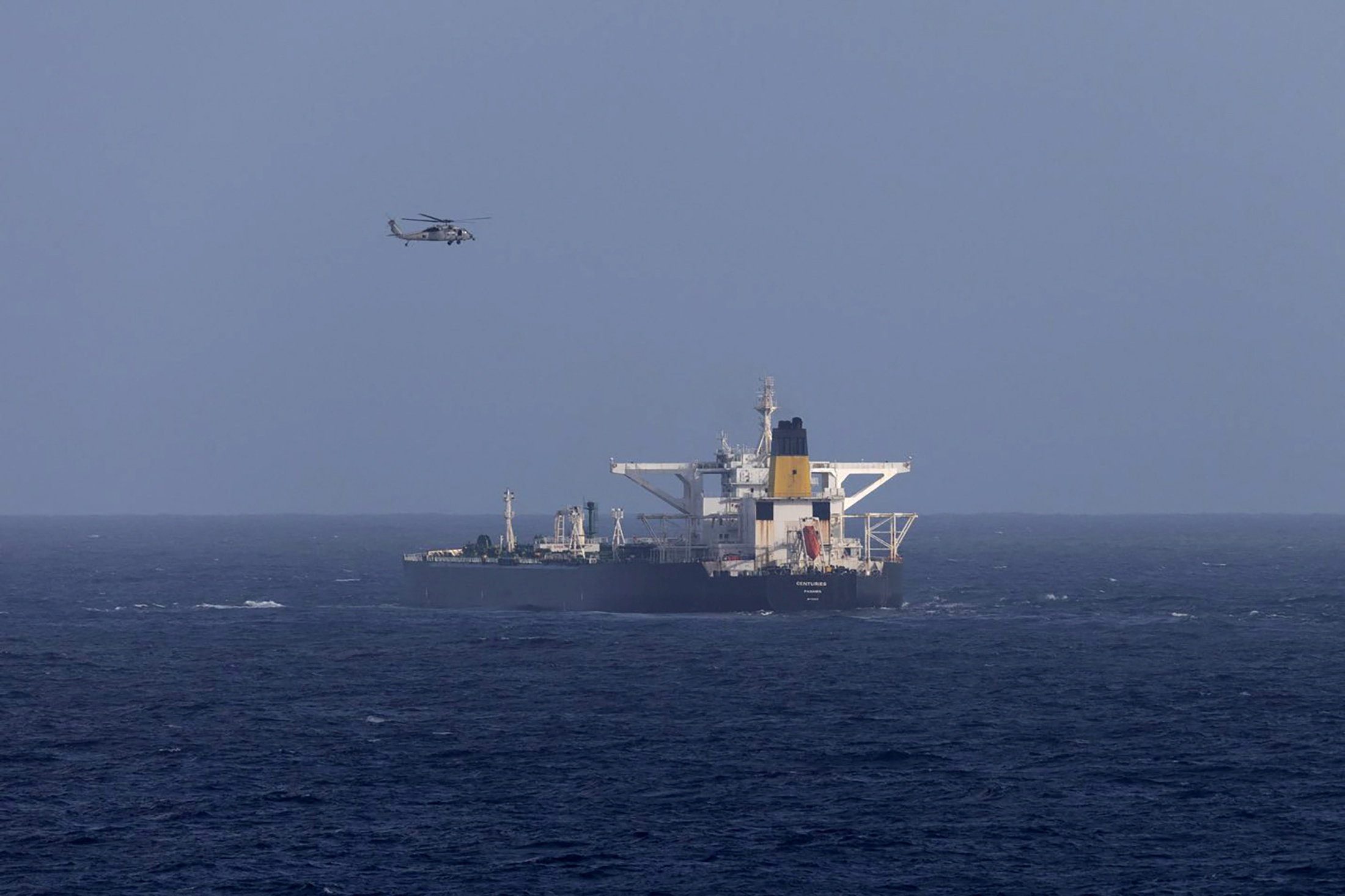
Over the weekend, U.S. forces boarded the Centuries tanker in the Caribbean, marking the first intervention against a non-sanctioned ship. This may indicate a broadening of the administration's enforcement efforts. According to Homeland Security Secretary Kristi Noem, this campaign aims to deter illegal activities and signal U.S. intent for Venezuelan leader Nicolas Maduro to step down.
Trump mentioned that the U.S. would retain oil from ships associated with Venezuela, stating that it could either be sold or added to the country’s strategic reserves during a Mar-a-Lago event.
Venezuela's oil industry is crucial for its struggling economy, providing essential hard currency. The country exports about 900,000 barrels of oil daily, with approximately 30% moving through a shadow fleet similar to the tankers the Trump administration is targeting.
Among the recently loaded tankers, three are carrying products for Chevron Corp., which has a U.S. license to extract and export oil from Venezuela. In a statement on Monday, Chevron confirmed that its operations in Venezuela comply fully with U.S. laws and sanctions, prioritizing the safety of its personnel.
Additionally, four tankers that loaded at the Jose export terminal, including the Centuries, have turned off their automated-position signals, a move often linked to illegal activities, according to Kpler.
Matt Smith, the Americas lead oil analyst at Kpler, stated, “Many Venezuelan oil shipments subject to sanctions are still being transported by vessels that are not officially designated as sanctioned.” He noted this gap suggests that future U.S. enforcement actions may focus more on vessels that aren't formally sanctioned but engage in risky trading practices.
So far, these developments have had a minimal effect on oil prices due to ample global supplies. Since December 10, when the first sanctioned oil tanker was intercepted, West Texas Intermediate futures have dropped about 1%.
Despite the threats to Venezuelan exports, Kpler's data shows that shipments are actually exceeding recent averages. Since December 11, the loading average has been 890,000 barrels per day, up from the typical 800,000. This increase may be an effort to transport crude quickly, as rising onshore storage levels could lead to a slowdown in production, according to Smith.
Venezuelan crude accounts for less than 1% of global supplies, with most destined for China.
Around 35 sanctioned oil tankers are currently clustered near Venezuela's coast, indicative of normal levels, Smith noted, emphasizing that ships are still trying to access the country despite the sanctions.