
- Rubio states that relief from Iran sanctions must have conditions
- Some Republicans are now sharing Democrats' worries about the Iran war
- Democrats are asking for more details on Trump’s foreign policy
- Rubio discusses plans to cut the State Department budget
- Lawmakers have questions regarding Venezuela, Cuba, and Ebola
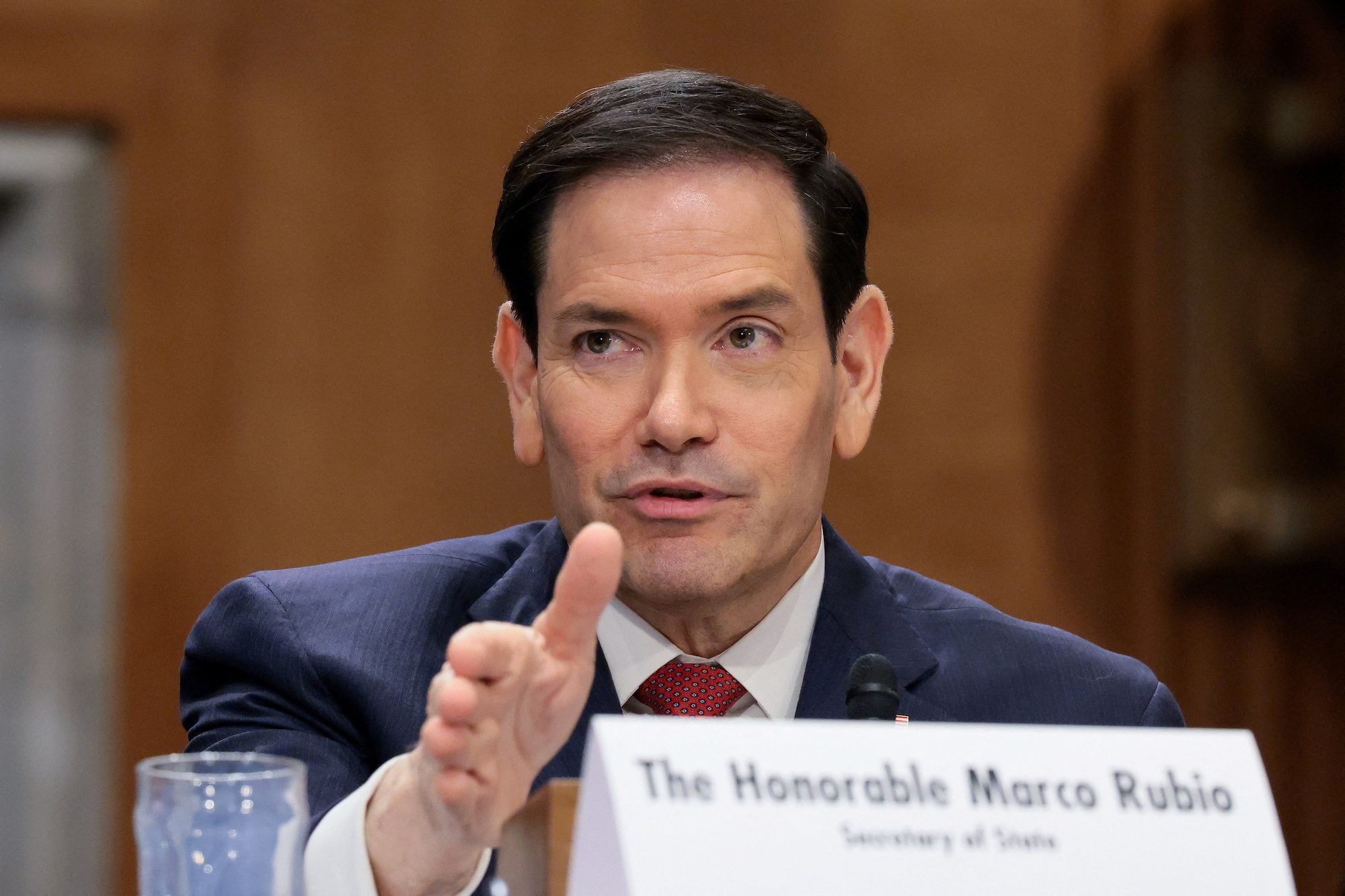
WASHINGTON, June 2 – U.S. Secretary of State Marco Rubio said on Tuesday that President Donald Trump's team has not offered to ease sanctions on Iran in exchange for reopening the Strait of Hormuz. He emphasized that any potential relief from sanctions is linked to Iran abandoning its nuclear program.
“Currently, all discussions with Iran indicate that any sanctions relief will be based on conditions. This means the relief is only possible in return for addressing the reasons these sanctions were imposed originally, which is their nuclear program,” Rubio stated in a Senate hearing.
In his first public testimony since the onset of the Iran war, Rubio mentioned that sanctions might be lifted if Iran agrees to stop its nuclear activities.
“Iran is sanctioned due to its enrichment of uranium and its nuclear activities. If they commit to halting these actions, they can expect sanctions relief aligned with those commitments,” he explained.
Rubio testified before the Senate Foreign Relations Committee as the Trump administration seeks approval from Congress for a proposed 30% reduction in the foreign affairs budget while increasing military spending by 50%.
He was scheduled to attend three more hearings later on Tuesday and Wednesday, during which Republican lawmakers showed growing concern regarding the Iran war.
Rubio, who served as a senator from Florida until January 2025 and is also Trump's national security adviser, was expected to outline a strategy for ending the Iran conflict, which began with U.S. and Israeli strikes on February 28.
Senator Jeanne Shaheen, the leading Democrat on the foreign relations committee, criticized Rubio for not providing Congress with information about the administration's strategies.
“When I speak with my constituents, they’re looking for economic relief at home, not regime change in Havana, Caracas, or Tehran,” she noted.
“Instead, you sent Congress a war powers notification stating that we are not in active hostilities with Iran, despite the fact that the U.S. was conducting strikes against Iran and Iran was attacking U.S. embassies and bases across the Middle East. That was not a consultation; it was an attempt to evade accountability to this committee and Congress regarding this war.”
Public frustration is rising over increasing prices, and Trump's fellow Republicans are eager for him to reopen the Strait of Hormuz and lower U.S. gasoline prices before the upcoming November elections, critical for the party’s control in Congress.
Trump is also facing pressure from hardliners in his party who oppose any compromises with Iran.
Supporters of Trump believe that the war will be justified if it prevents Iran from obtaining nuclear weapons. The President has also maintained that gasoline prices will drop and claims he will reach a favorable agreement to conclude the conflict.
Iran is looking for an interim deal that includes sanctions relief, which would give it access to billions in oil revenue. However, the U.S. continues to impose additional sanctions on Iranian individuals and entities during the negotiations.
Rubio did not specify when a deal might be possible. He indicated that Iran aimed to enhance its conventional weapons as a form of protection for its nuclear ambitions. “They tried to create a conventional shield to hide behind,” he stated, explaining why Trump believed it was necessary to initiate the war.
As the Iran war approaches its fourth month, lawmakers, including some Republicans, have increasingly raised concerns about the ongoing conflict.
Last month, the Senate advanced a war powers resolution that would end the Iran conflict unless Trump secures congressional authorization. Shortly after, House leaders postponed a vote on a similar resolution that seemed likely to succeed.
Senators also inquired about U.S. forces targeting boats off Venezuela since September. The administration claims this campaign is aimed at stopping drug traffickers responsible for over 200 deaths.
Some critics have pointed out that cuts to U.S. foreign aid have been severe, citing reports that hundreds of thousands of children have died since the abrupt halt of foreign aid programs last year and citing ongoing Ebola outbreaks in Africa.
Rubio mentioned that the U.S. would re-establish its partnership with the global vaccine initiative Gavi. He noted that the decision to re-engage was made recently after the Trump administration had previously withdrawn funding from Gavi last year.