
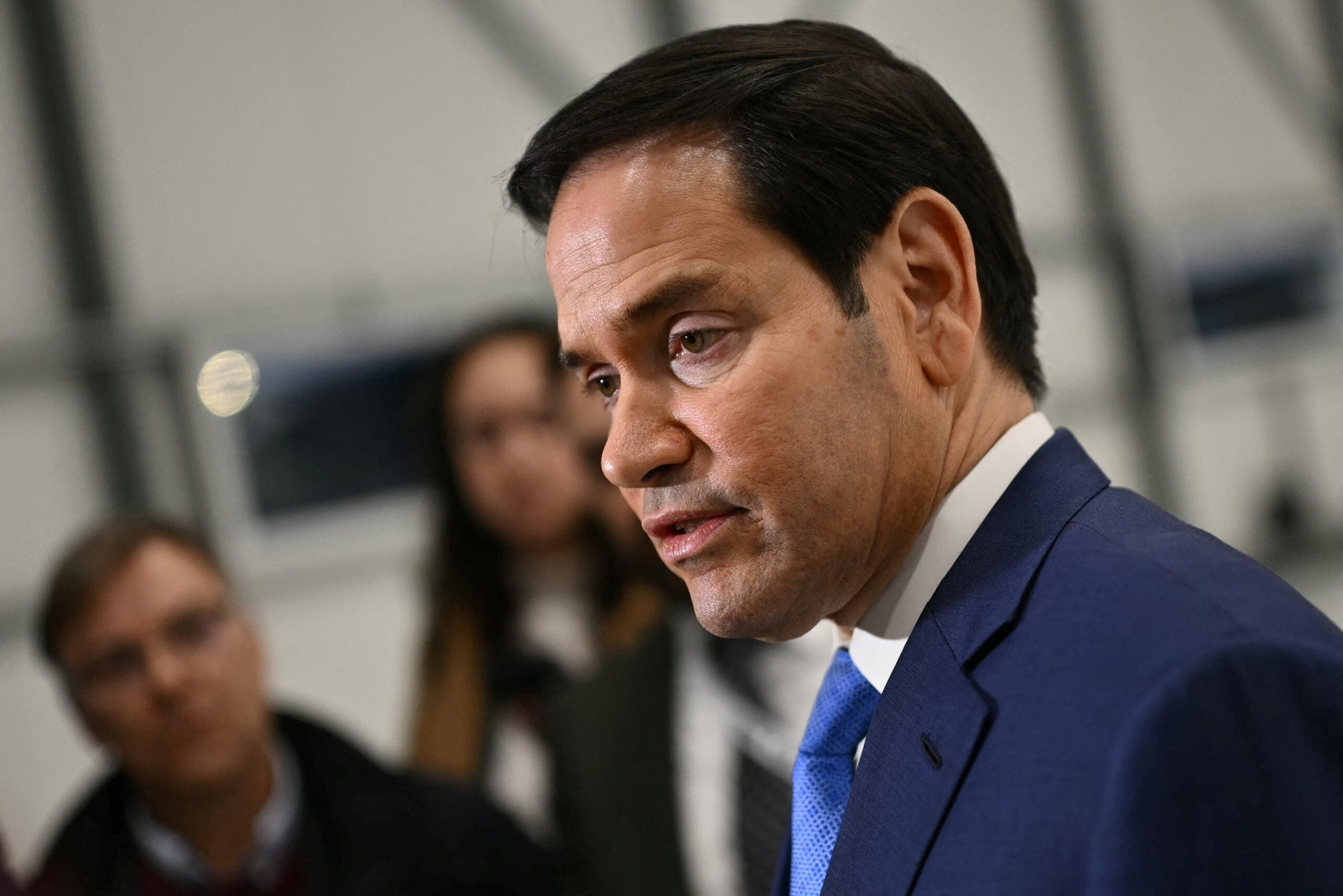
U.S. Secretary of State Marco Rubio has defended the enforcement of Washington's blockade in the Strait of Hormuz after India formally protested the attacks that resulted in the deaths of three Indian sailors on a commercial tanker this week.
In a statement from the State Department released on Friday, Rubio spoke with Indian External Affairs Minister S. Jaishankar about the situation, emphasizing that commercial ships in the area must follow U.S. military directives.
“The Secretary stated that all commercial vessels should immediately comply with orders from U.S. forces as they work to maintain peace and security in the Strait,” the State Department mentioned. Rubio added that violations of the U.S. blockade and the transport of Iranian oil “will not be tolerated.”
This update came shortly after Jaishankar mentioned that he had directly addressed the deaths of the three Indian sailors during his conversation with Rubio.
“Had a conversation with U.S. Secretary of State Marco Rubio this evening. I reiterated India’s strong protest against the U.S. Navy attacks in the Gulf that resulted in the deaths of three Indian mariners. Such deadly actions against commercial shipping are unjustifiable,” Jaishankar posted on social media.
The exchange highlights one of the most significant public disagreements between Washington and New Delhi since the maritime crisis began.
This diplomatic tussle follows several incidents last week involving Indian crews in the Gulf of Oman and the Strait of Hormuz. On June 9, three Indian sailors lost their lives aboard the tanker Settebello when the ship was immobilized during a U.S. blockade enforcement operation. This incident marked the first confirmed deaths related to Washington's efforts against Iranian oil shipments.
Just two days later, U.S. forces rescued all 20 Indian crew members aboard the tanker Jalveer after disabling the vessel in a separate operation. Earlier, another tanker, Marivex, with an all-Indian crew was also disabled.
These incidents have thrust Indian seafarers into the spotlight of the crisis. India is one of the largest suppliers of merchant mariners globally, with hundreds of thousands of Indian nationals working on commercial vessels around the world.
In response to rising concerns, India’s Directorate General of Shipping issued an urgent security advisory highlighting increased risks in the Gulf region. The advisory mentioned the incidents involving Marivex, Settebello, and Jalveer and recommended that shipping companies and crewing agencies limit the deployment of Indian sailors to conflict zones until further notice.
While Indian officials have focused on the safety of civilian sailors, the U.S. is primarily concerned with enforcing sanctions and ensuring compliance with military orders.
Interestingly, the State Department’s statement did not directly address the deaths on the Settebello or India's protest regarding the event. Instead, Washington emphasized the necessity for commercial vessels to comply with orders from U.S. forces in the region.
The different perspectives highlight a growing divide between the two governments over the human impact of current military actions.
As blockade enforcement operations persist and tensions remain elevated around the Strait of Hormuz, the protection of merchant crews is becoming an increasingly significant diplomatic issue, along with the broader conflict over Iranian oil exports.