
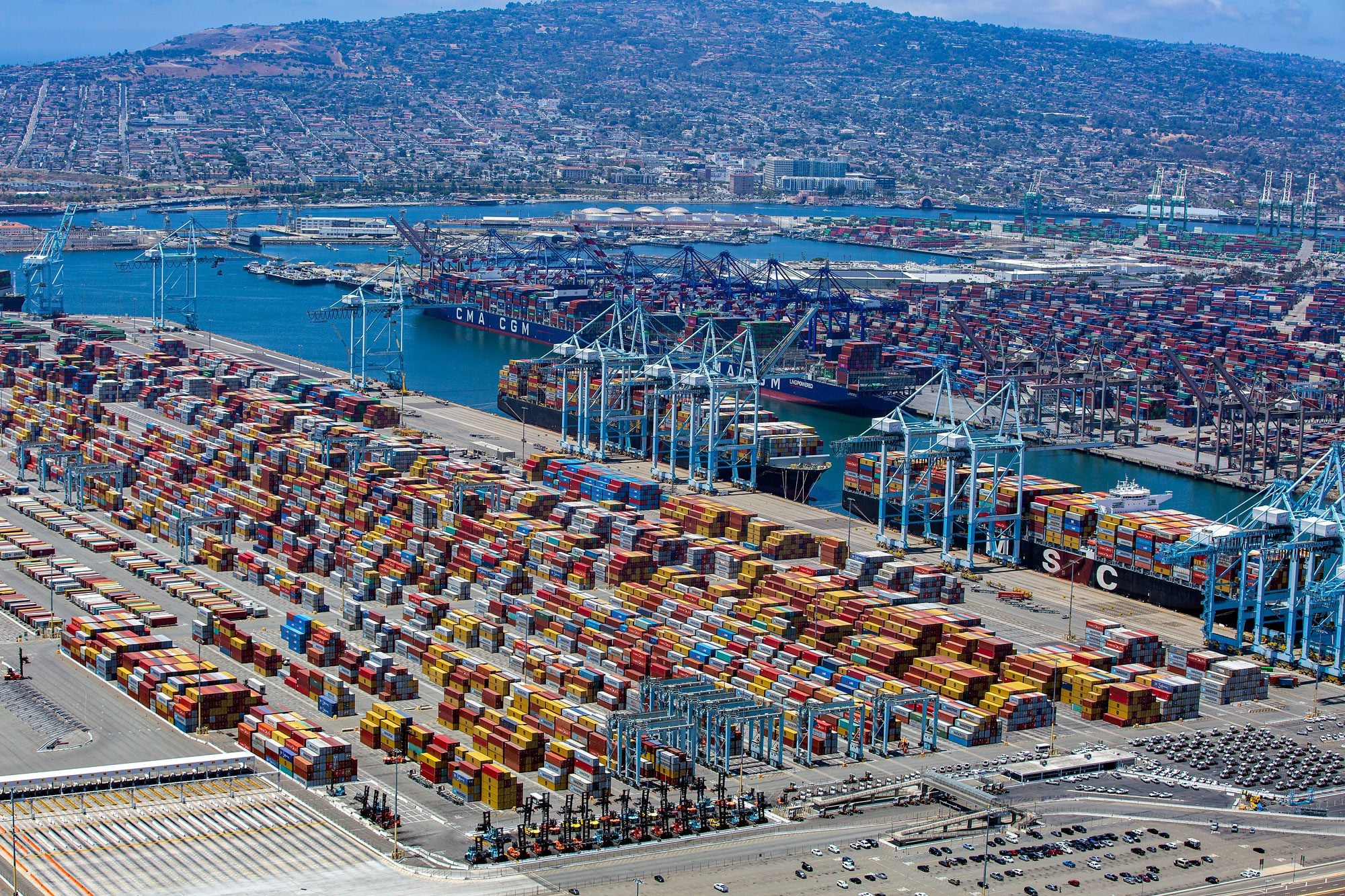
The Port of Los Angeles started 2026 with lower cargo volumes, handling 812,000 TEUs in January. This is a 12% decrease compared to the record levels seen in January last year.
This drop is compared to January 2025, which had strong numbers as importers rushed to ship goods before possible tariff increases.
“We’re looking at higher cargo levels from last January because importers were trying to bring in products ahead of tariffs,” said Executive Director Gene Seroka during a media briefing. “Inventories are still a bit high, reflecting that earlier rush and a slower restocking process.”
Loaded imports were at 421,594 TEUs, down 13% from January 2025. Loaded exports decreased by 8% to 104,297 TEUs, and empty container volumes fell by 12% to 286,110 TEUs.
Interestingly, January also marked the port’s lowest export volume in nearly three years. “That’s our lowest monthly output in almost three years,” Seroka mentioned.
Despite the slowdown, port officials noted some signs of stability. Seroka indicated that purchase orders placed with Asian manufacturers about three months in advance seem steady, suggesting that consumer demand is holding up.
“U.S. trade policy keeps everyone on their toes,” he commented. “However, American consumers have shown remarkable resilience.”
The January numbers showcase the challenges facing U.S. supply chains in 2026. While consumer demand appears to be stable, uncertainty around trade policy—especially pending decisions from the U.S. Supreme Court regarding tariff authority—continues to influence shipping patterns at the nation’s busiest container port.