
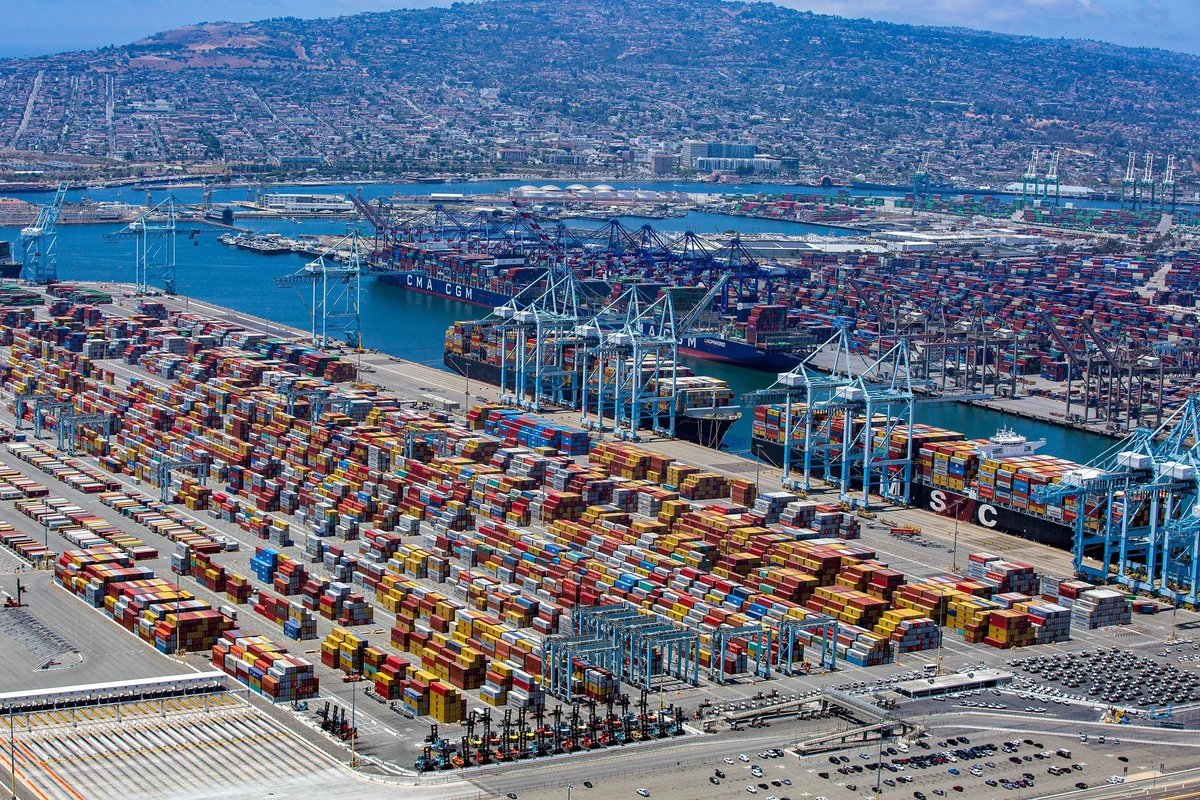
The Port of Los Angeles set a new record by processing 1,042,652 twenty-foot equivalent units (TEUs) in September. This made it the busiest month in the port's 118-year history, driven by strong consumer demand and changes in global trade routes that increased cargo volumes at the busiest container port in the U.S.
The number of TEUs in September exceeded the previous monthly record from July 2025 by over 20,000. This month also marked the port's busiest quarter ever, with nearly 3 million TEUs handled from July to September.
In total, the port moved almost 4 million TEUs over the four months starting in June, which is another record.
“September was a remarkable month, and it’s part of an amazing period for the Port of Los Angeles,” stated Executive Director Gene Seroka. “Consumer demand remains strong, importers are restocking, and more cargo is coming to Los Angeles as shippers deal with ongoing challenges in other global trade routes.”
Loaded imports reached 545,696 TEUs in September, a 19% increase compared to last year. Loaded exports rose by 10% to 125,751 TEUs. Movements of empty containers also hit a monthly record of around 371,206 TEUs.
Seroka noted that the port's strong performance is partly due to more stable tariff conditions, which have eased from earlier this year, allowing importers to restock their inventories. Continued consumer spending and issues affecting the Suez and Panama Canal routes have also played a role in this increase.
These results reflect an unexpectedly strong shipping season. In September, the National Retail Federation revised its import forecast upward, noting that September would likely be the busiest month of the year for container imports at major U.S. ports.
Earlier this year, retailers sped up shipments to get ahead of tariff changes and uncertainties in supply chains, raising predictions for an earlier peak season. Instead, cargo volumes have stayed high.
Los Angeles has been one of the biggest beneficiaries. The port surpassed 1 million TEUs in June and continued its strong performance in July, August, and September.
During a media briefing at the port, Harvard Business School professor Willy Shih mentioned that ongoing trade uncertainty is altering how companies handle their supply chains.
“Companies are shifting from just focusing on cost to looking for more options,” Shih explained. “With so much unpredictability in global trade, businesses are seeking more flexibility in sourcing, manufacturing, and transporting their goods.”
For the first nine months of 2026, the Port of Los Angeles processed nearly 8.1 million TEUs, marking an increase of over 3% compared to the same timeframe last year.
This record is achieved despite ongoing challenges in global shipping, including tariffs, high fuel prices, and geopolitical issues. These factors have complicated cargo forecasting and prompted shippers to change their traditional routing and inventory practices.
It remains uncertain whether this momentum will continue for the rest of the year. The National Retail Federation's September forecast predicts a decrease in U.S. import volumes for October and November after the late-season surge.
For now, Los Angeles is maintaining a historic pace in handling cargo.
“Our waterfront workforce and supply chain partners have done an incredible job managing these record volumes while keeping the cargo flowing,” Seroka said. “After the best month, quarter, and four-month period in Port history, our goal is clear: finish the year strong and continue to meet our customers’ needs.”