
By Idrees Ali and Phil Stewart
WASHINGTON, Feb 13 - The Pentagon is moving an aircraft carrier from the Caribbean to the Middle East, as confirmed by two U.S. officials to Reuters on Friday. This shift will increase the number of carriers in the region to two amid rising tensions between the United States and Iran.
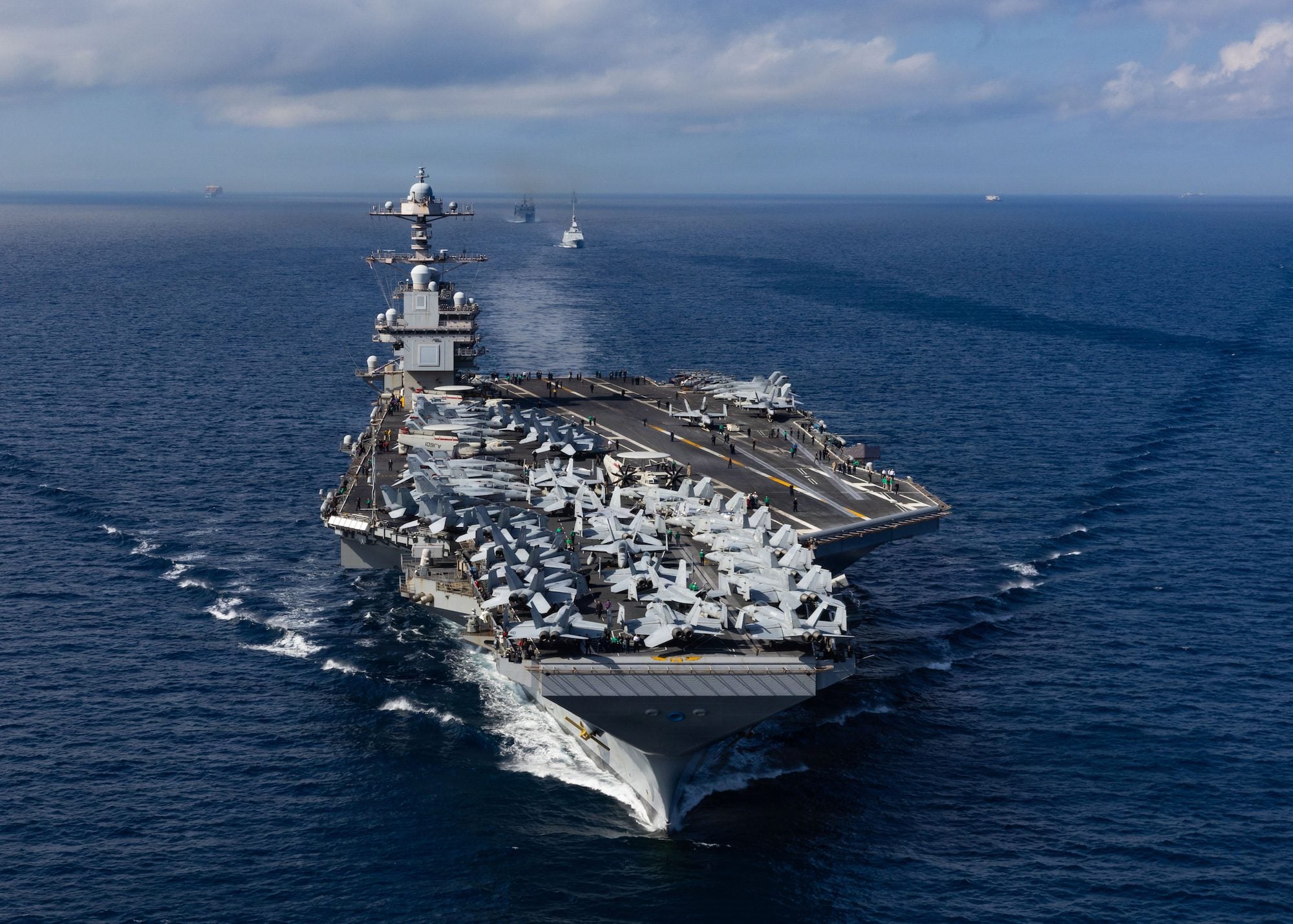
The Gerald R. Ford, which is the newest and largest aircraft carrier in the world, has been operating in the Caribbean with its escort ships and participated in operations in Venezuela earlier this year.
According to one official, who asked to remain anonymous, the carrier is expected to take at least a week to arrive in the Middle East.
The Gerald R. Ford will join the Abraham Lincoln carrier, along with several guided-missile destroyers, fighter jets, and surveillance aircraft that have already been positioned in the Middle East in recent weeks.
Last year was the last time the United States had two aircraft carriers in the area, during strikes against Iranian nuclear sites in June.
With only 11 aircraft carriers in the U.S. military fleet, these vessels are limited resources, and their deployment schedules are generally planned well in advance.
U.S. Southern Command, which oversees military operations in Latin America, stated it would continue its focus on combating “illicit activities and malign actors in the Western Hemisphere.”
This week, President Donald Trump mentioned he might consider sending a second aircraft carrier to the Middle East if a deal with Iran is not reached.
On Thursday, he expressed optimism, suggesting a potential agreement with Iran could be achieved in the coming month.
“We have to make a deal, otherwise it’s going to be very traumatic, very traumatic,” Trump told reporters.
LONG DEPLOYMENT
The Ford has essentially been at sea since June 2025. It was expected to be operating in Europe before being redirected to the Caribbean in November.
While most carrier deployments last around nine months, they are often extended during times of increased military activity.
Navy officials have long warned that prolonged deployments can negatively impact crew morale.
There were considerations to send another carrier, the Bush, to the Middle East, but it is currently undergoing certification and would take over a month to reach the region.
The Ford, equipped with a nuclear reactor, can carry over 75 military aircraft, including fighter jets like the F-18 Super Hornet and the E-2 Hawkeye, which serves as an early warning system.
Additionally, the Ford features advanced radar systems that assist with air traffic control and navigation.
The supporting vessels, such as the Ticonderoga-class guided missile cruiser Normandy and Arleigh Burke-class guided missile destroyers Thomas Hudner, Ramage, Carney, and Roosevelt, have capabilities for surface-to-air, surface-to-surface, and anti-submarine warfare.