
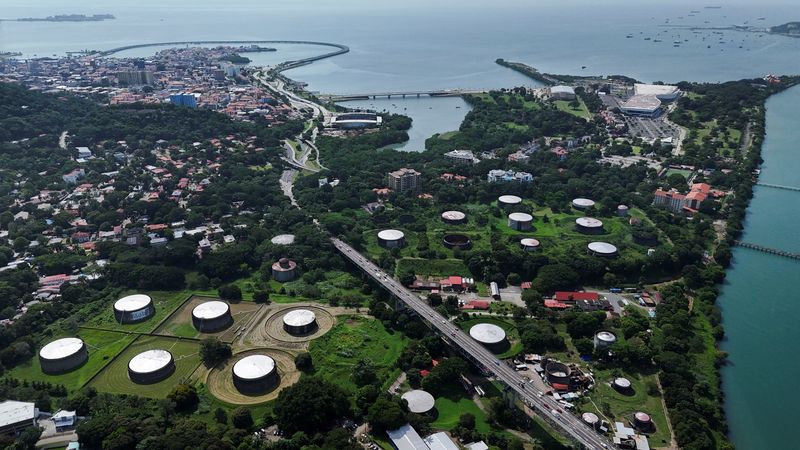
The Panama Canal Authority (ACP) is set to enforce new draft restrictions for ships passing through its Neopanamax locks later this month due to decreasing water levels in Gatun Lake, which are affected by a strengthening El Niño.
In an advisory released on Thursday, the ACP announced that the maximum draft will be reduced to 48.0 feet (14.63 meters) starting August 26, and then further lowered to 47.5 feet (14.48 meters) on September 3.
These changes come after earlier cuts this summer that brought the maximum draft down from 49.5 feet in early July to 49.0 feet on July 24, and then to 48.5 feet starting August 15.
While these new limits are tighter, the ACP assured that the number of ships transiting daily will not change. These measures are part of the canal's ongoing strategy to manage water resources effectively while ensuring operations remain dependable through the dry season in 2026.
The new draft limits are based on current and expected water levels in Gatun Lake, the freshwater reservoir that feeds the canal's locks. Each transit uses millions of gallons of freshwater, making conservation critical during times of low rainfall.
The adjustments made in August and September mark the fourth and fifth changes this year. Officials explained that these decisions stem from insights gained during the severe drought of 2023-24, which saw historically low lake levels and led to much stricter draft restrictions and transit cuts that disrupted global shipping and caused delays for vessels.
Since then, the ACP has implemented various water-saving measures, such as increasing the use of water-saving basins in the Neopanamax locks, allowing smaller vessels to lock through simultaneously, installing interior gates to minimize water use, and reducing hydroelectric power generation at Gatun Dam to conserve water.
Experts at the canal are closely monitoring weather patterns and water forecasts, especially with the ongoing strengthening of El Niño in the tropical Pacific. The authority will keep evaluating conditions and may announce further operational changes if needed.
The latest draft restrictions come as forecasters caution that the current El Niño could potentially be one of the strongest on record. Earlier this summer, NOAA’s Climate Prediction Center noted an 81% chance that this event could reach “very strong” status by late 2026, increasing the likelihood of below-average rainfall in Central America and further stressing the canal's watershed.
While the new draft limits are less severe than those seen during the 2023-24 drought, they highlight the Panama Canal's ongoing need for careful water management as climate changes continue to impact operations at this vital maritime trade route.